16 Small Bedroom Ideas That Make Tiny Rooms Feel Incredibly Spacious
My first studio was so cramped I could touch both walls while lying in bed. Finding clever small bedroom ideas became a survival skill rather than a hobby. I realized that with a low-profile oak frame and light-toned linens, a tiny footprint doesn’t have to feel like a cave. It is about tricking the eye into seeing more floor than actually exists.
Why These Small Bedroom Ideas Are Worth Trying
Maximizing a tiny space reduces daily friction and prevents that claustrophobic feeling when you wake up. These strategies focus on vertical storage and reflective surfaces to physically open up the room without requiring a major renovation.
Table of Contents
1. The Floating Cloud Bed
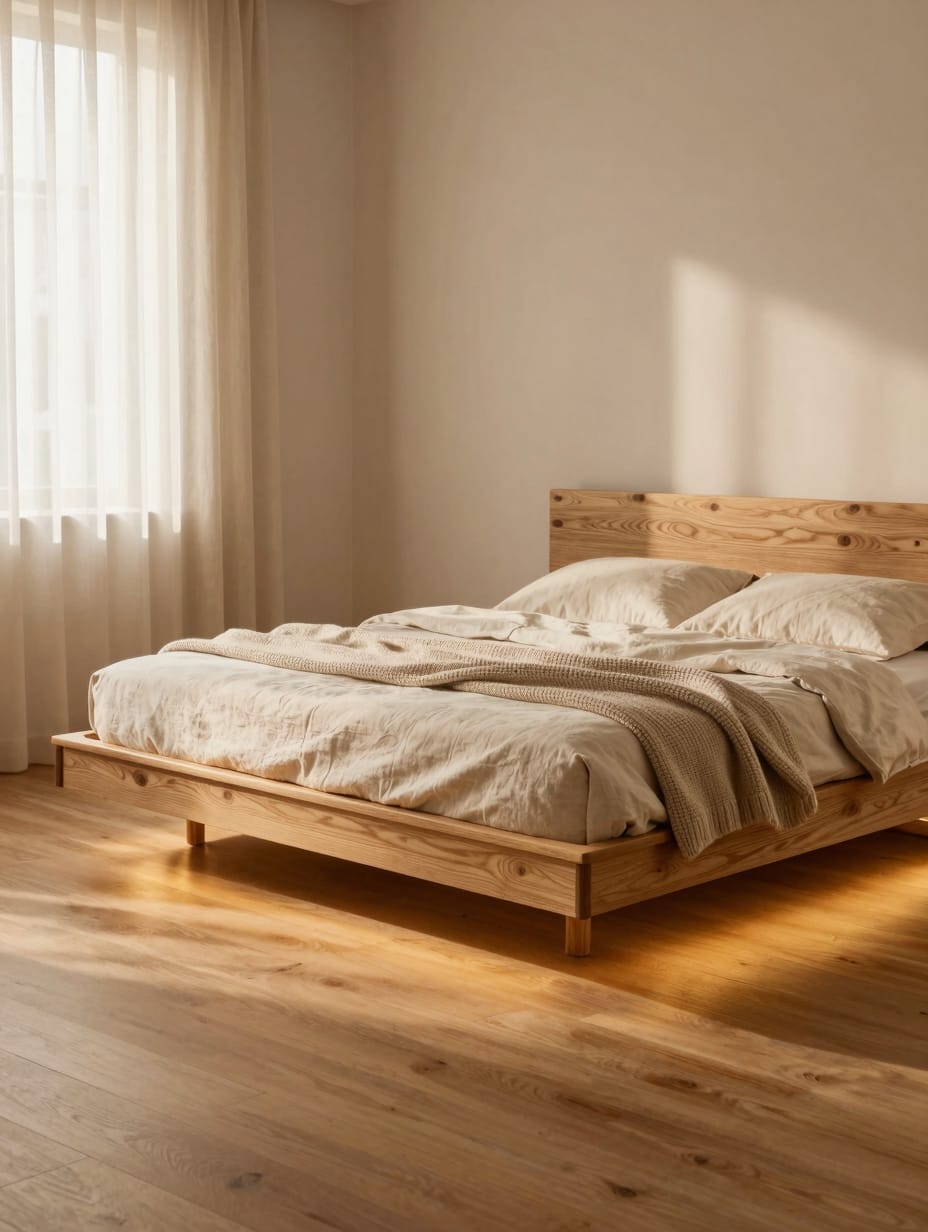
I built my own low-profile platform bed using light-toned oak with recessed legs tucked 6 inches inward. The frame seems to hover over the hardwood, especially when I tuck amber LED strips underneath for a soft glow. Layered ivory linens and a chunky oatmeal wool throw keep the textures rich but the colors light.
Keeping the floor visible all the way to the wall helps the room feel less crowded. I’ll admit, those hidden legs are a nightmare for stubbing toes if you aren’t careful.
How to Get This Look
- Mount LED strips 2 inches from the inner edge of the bed frame.
- Low-profile platform bed, $400-$900, solid wood construction.
- Mix ivory and sand tones to avoid a flat look.
- Use a basic metal frame with a DIY wood skirt, $120.
2. Vertical Verdant Shelving
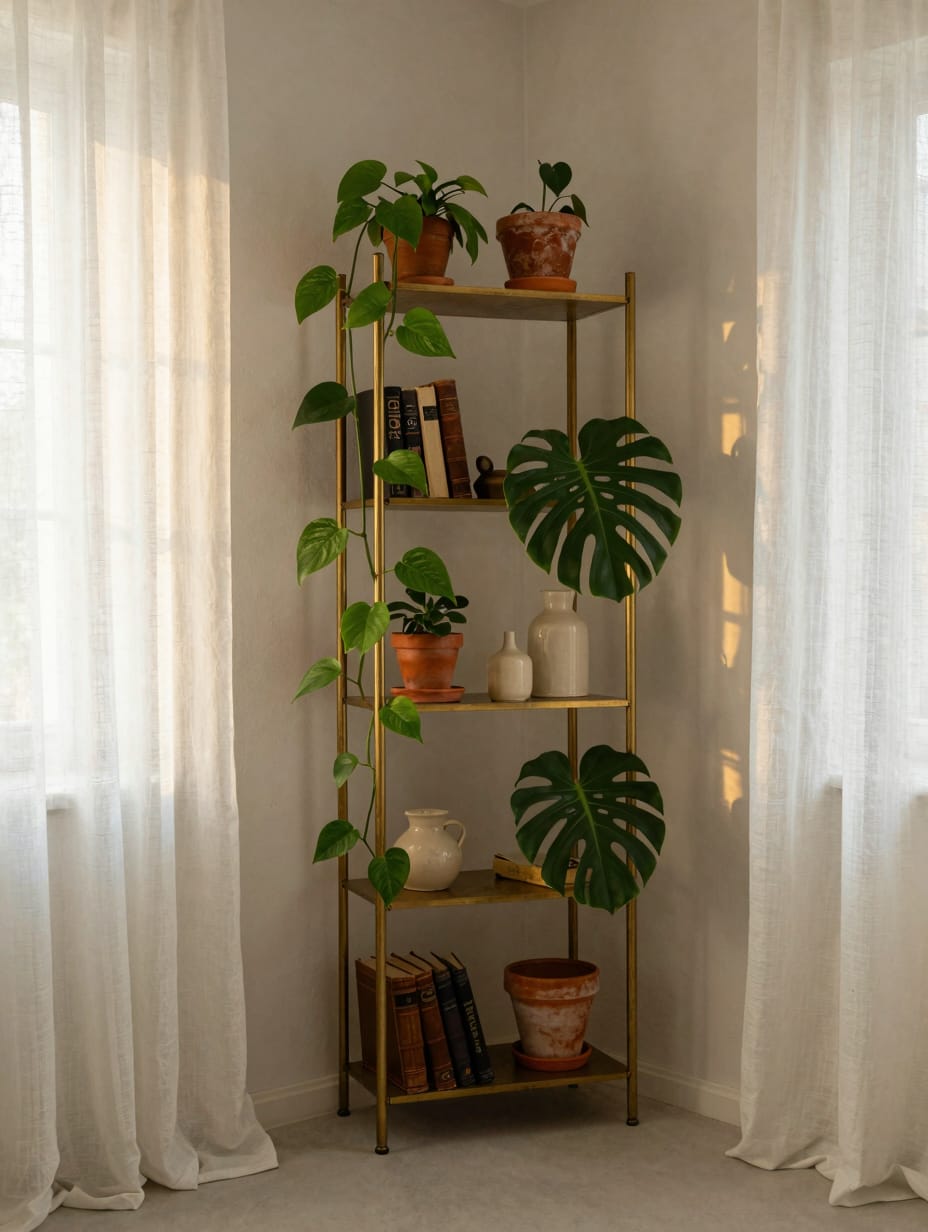
My friend Sarah installed floor-to-ceiling brass shelving in her corner to host a massive pothos collection. The slender gold rails hold terracotta pots and antique books without eating up the 12-inch floor gap. Sunlight hits the sheer muslin curtains nearby, making the emerald monstera leaves pop against the cream walls.
Height is your best friend when width is lacking. Just be prepared to use a step stool every single time you want to water the top shelf.
How to Get This Look
- Secure shelves every 18 inches to handle the weight of damp soil.
- Modular brass wall unit, $200-$550, weight-bearing capacity.
- Pair matte cream ceramics with glossy green foliage.
- Paint inexpensive pine boards with metallic gold spray, $45.
3. Monochromatic Cream Sanctuary
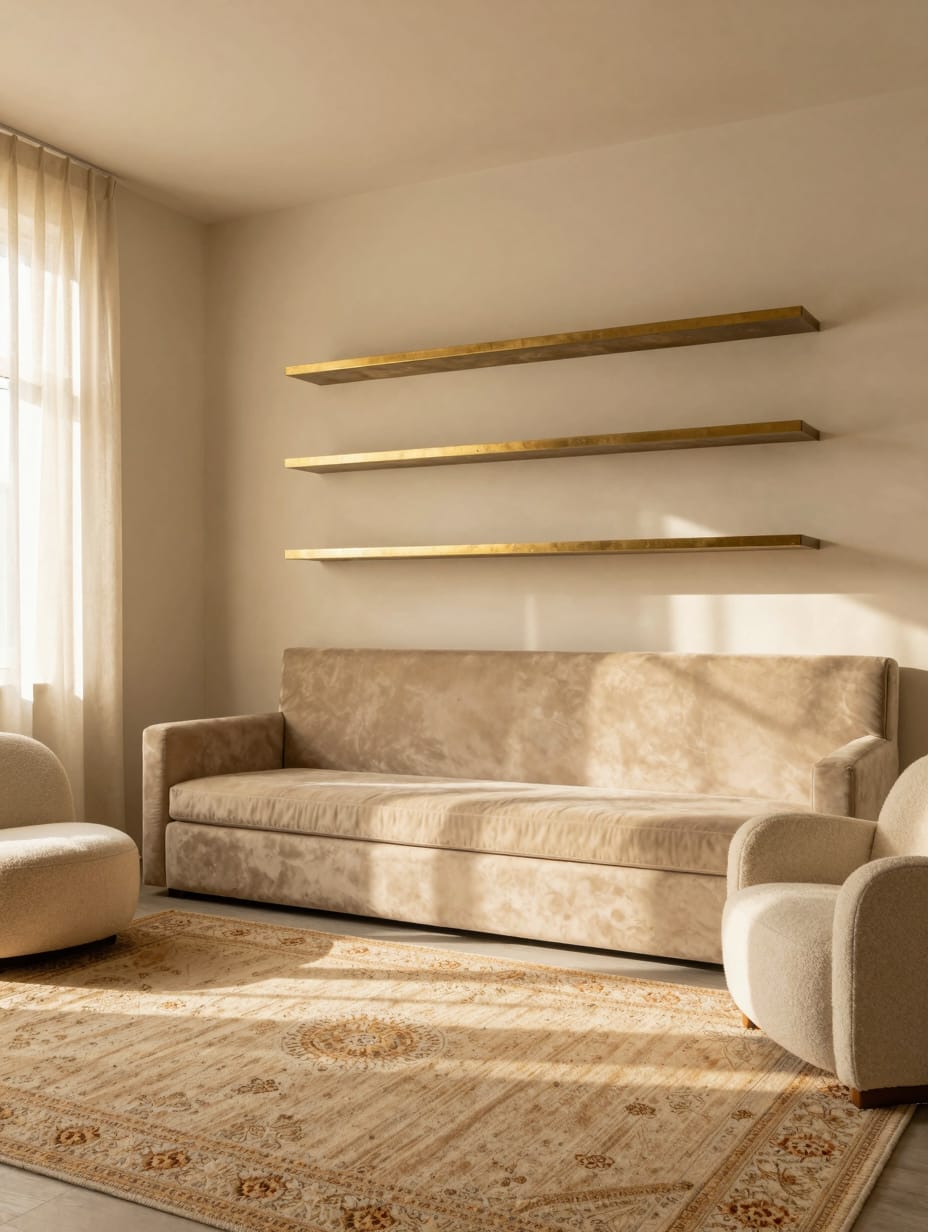
A designer portfolio I follow showcased a room where every surface—from the matte eggshell walls to the boucle chair—stayed in the vanilla family. The oversized velvet headboard blends into the wall, which prevents the bed from looking like a giant block in the middle of the space. Natural morning light hits a high-pile Moroccan rug to add depth without adding new colors.
Sticking to one palette eliminates visual noise that usually makes small rooms feel chaotic. If you have pets, though, this much white fabric is basically a dare.
How to Get This Look
- Match your headboard fabric to your wall paint color exactly.
- Boucle accent chair, $350-$700, compact footprint.
- Layer silk and wool textures to create subtle shadows.
- Use a cream canvas slipcover on an existing chair, $60.
4. Reflective Mirage Mirrors
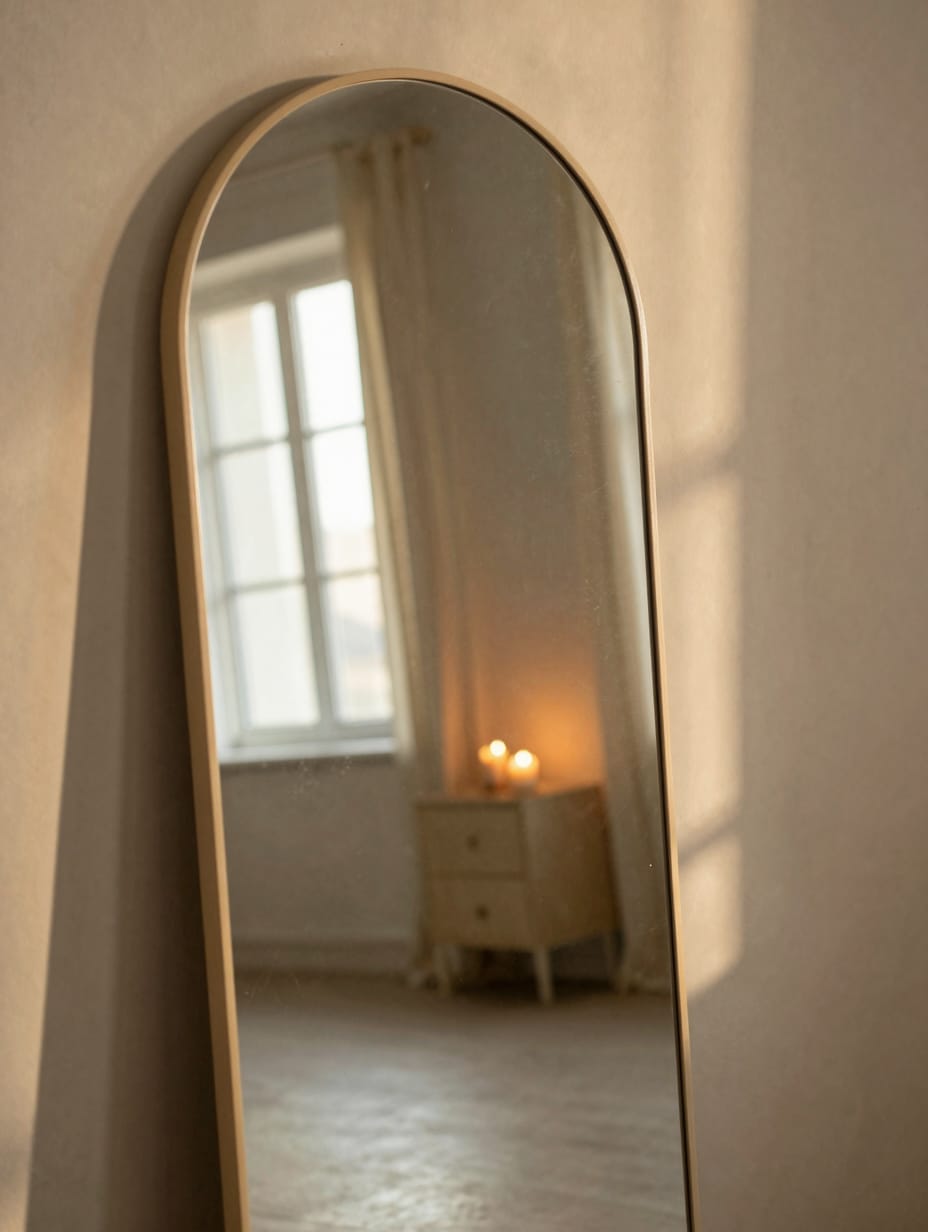
I leaned a 72-inch arched floor mirror against my primary wall to mimic the shape of a window. The champagne-gold frame is thin enough to be discreet, but the glass effectively doubles the room’s perceived depth. At night, I place a taper candle on the nightstand so the flame flickers in the reflection, adding movement.
Positioning is everything; if the mirror reflects a messy closet, you just doubled your clutter. I found that placing it directly across from the door provides the best light bounce.
How to Get This Look
- Angle the mirror 5 degrees upward to capture more ceiling light.
- Arched floor mirror, $150-$450, shatter-resistant glass.
- Choose a frame finish that matches your door hardware.
- Group three smaller rectangular mirrors for a paneled effect, $80.
5. The Built-In Nook Library
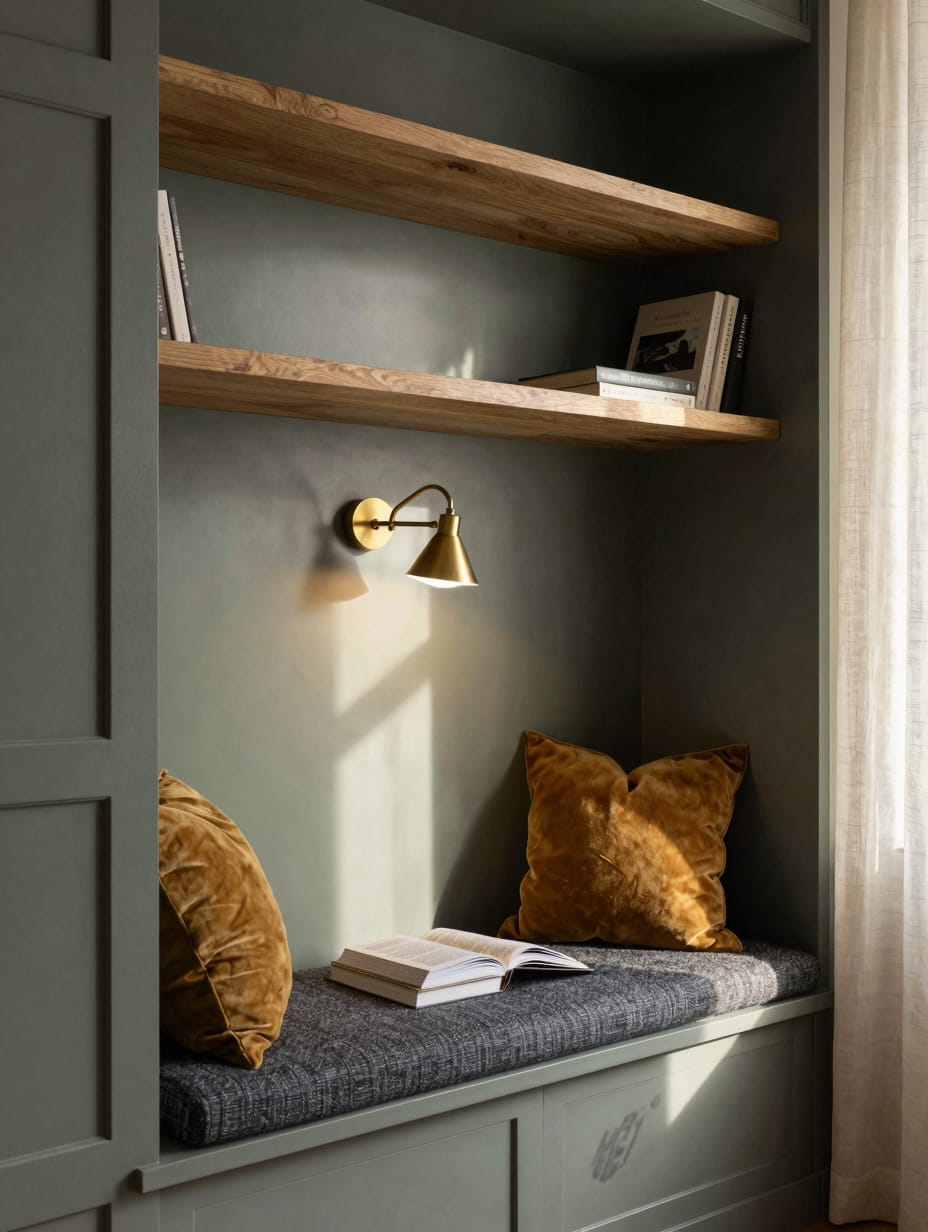
This sage green reading alcove I saw in a boutique hotel utilized a dead wall by carving out a 24-inch deep bench. Lined with charcoal tweed and mustard bolster pillows, it turns a weird architectural gap into a functional retreat. A brass swing-arm sconce provides light for reading without taking up surface space on the bench.
Building “into” the wall preserves the floor area for walking paths. It is a permanent change, so you better really like the paint color you choose.
How to Get This Look
- Install the seat at 18 inches high for standard chair comfort.
- Swing-arm wall sconce, $80-$200, dimmable feature.
- Contrast deep greens with warm mustard yellow accents.
- Use a sturdy storage chest as a bench base, $150.
6. Translucent Ghost Accents
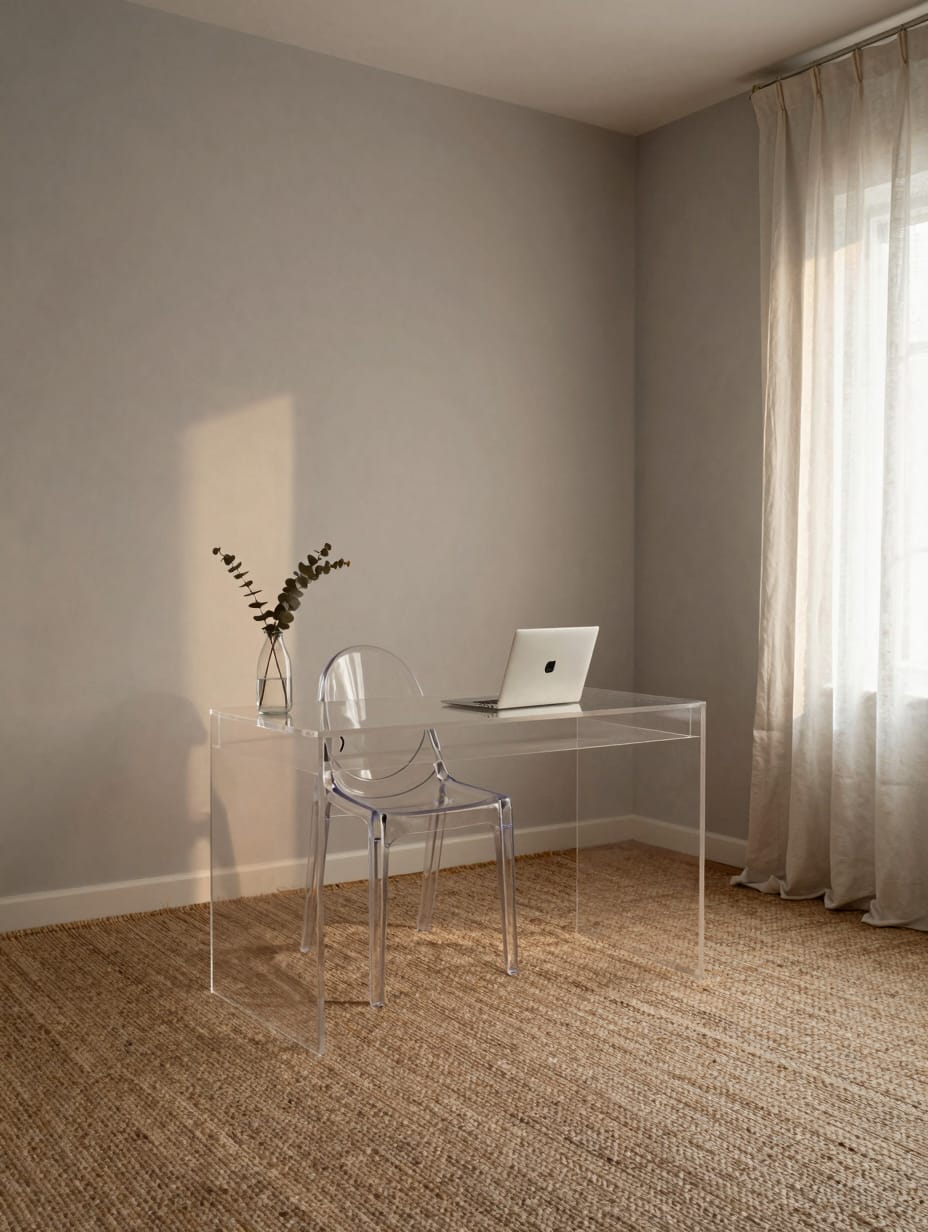
I opted for a crystal-clear acrylic desk in my corner office area because it virtually vanishes against my gray walls. The matching ghost chair provides a place to work without the visual weight of a traditional wooden set. A simple glass bud vase with eucalyptus is the only decor I keep on top to maintain the airy feel.
Acrylic furniture allows your eye to travel to the corners of the room uninterrupted. Beware: every single fingerprint and dust mote shows up on these surfaces instantly.
How to Get This Look
- Leave 30 inches of clearance behind the chair for movement.
- Acrylic writing desk, $250-$600, 1/2-inch thick material.
- Keep accessories transparent or metallic to match the vibe.
- Find a second-hand acrylic vanity stool, $40.
7. Sun-Drenched Window Seating
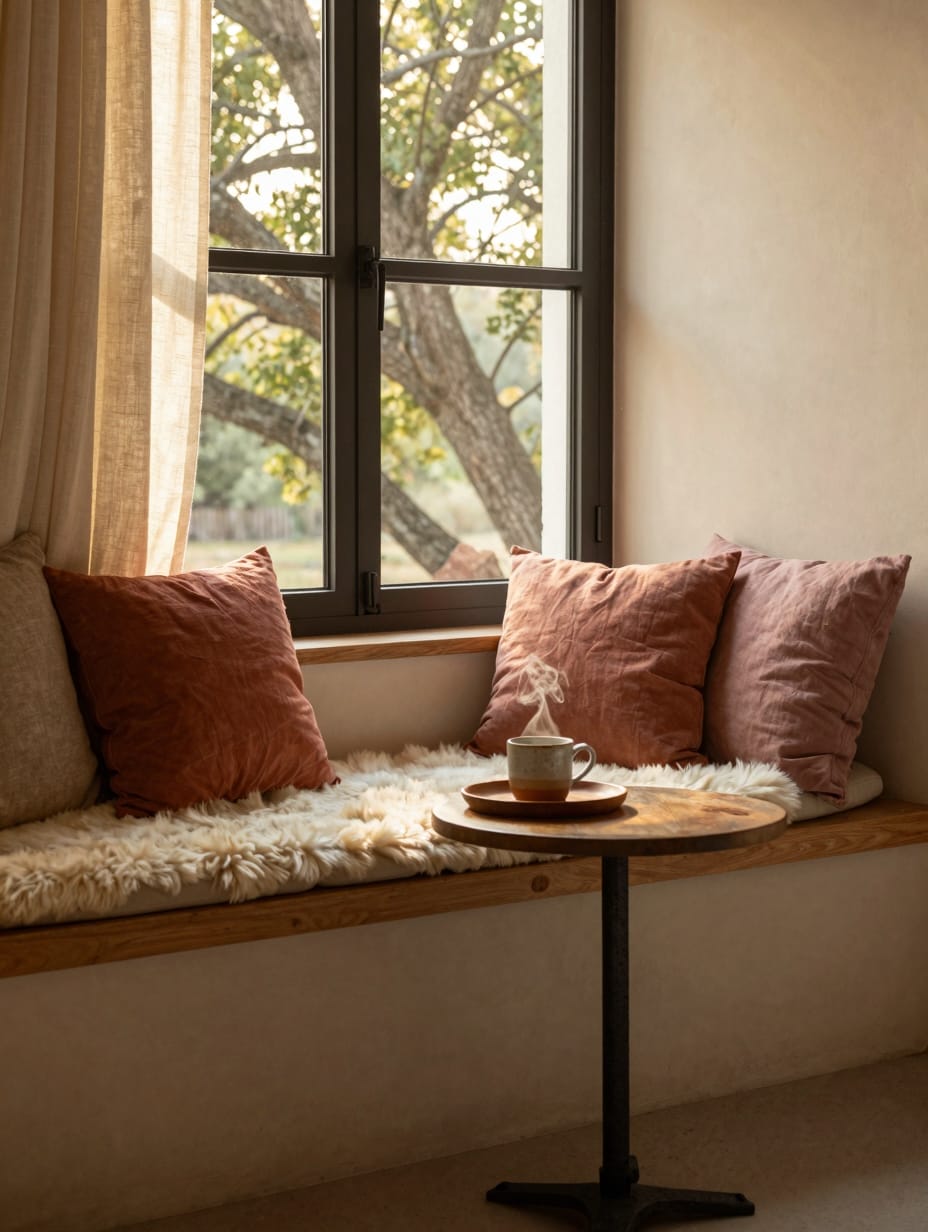
A local apartment project featured an extended wooden window sill that doubled as a 15-inch deep lounge spot. Topped with a sheepskin pad and terracotta linen cushions, it draws the gaze toward the outdoor view. It makes the room feel as big as the backyard or street it overlooks.
Using the window as a focal point keeps the interior from feeling like a box. However, the drafts in winter might make this spot less cozy than it looks.
How to Get This Look
- Support the sill extension with heavy-duty L-brackets every 12 inches.
- Faux sheepskin rug, $30-$100, high pile density.
- Use dusty rose accents to complement natural wood tones.
- Stack two firm floor pillows near the window, $50.
8. Sconces Over Bedside Tables
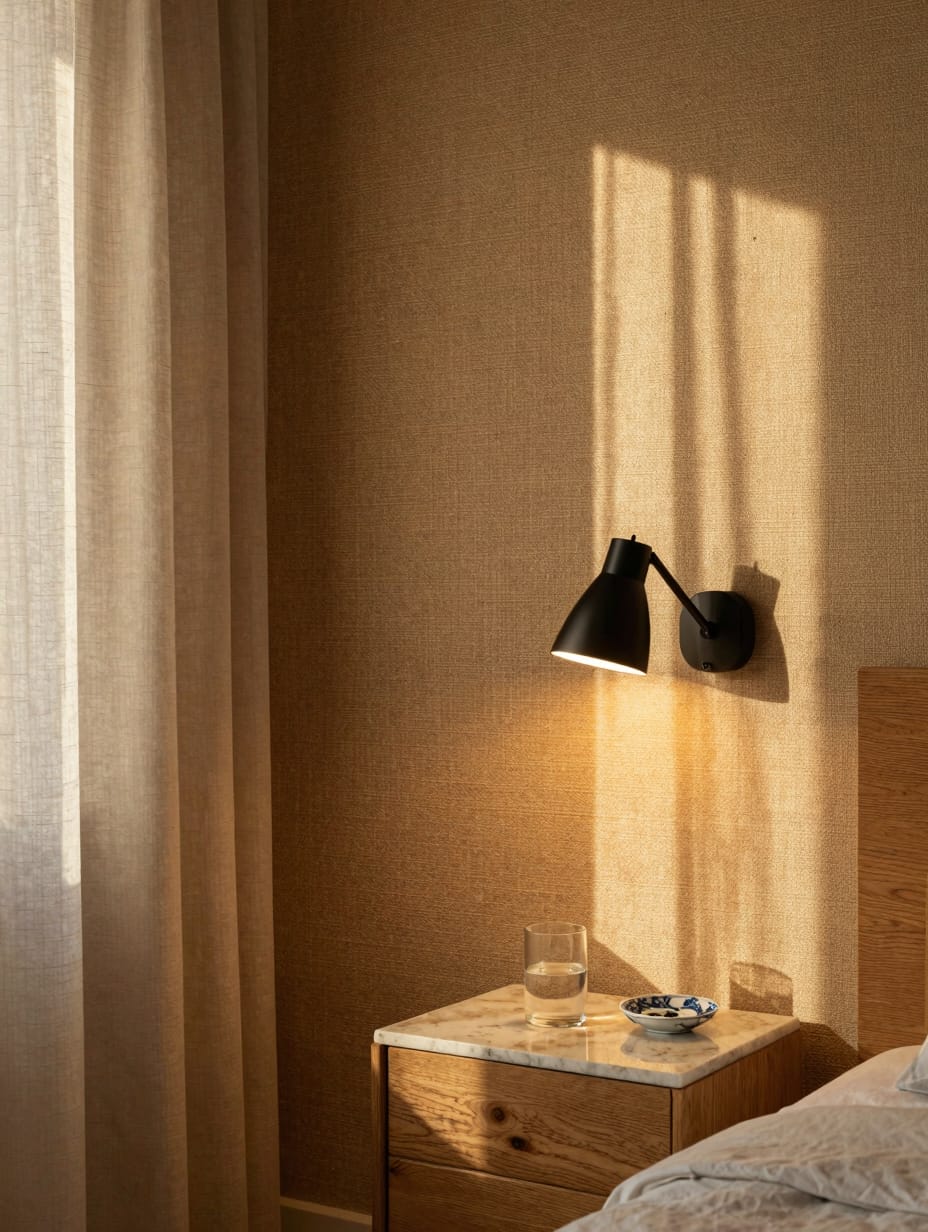
I finally swapped my bulky lamps for matte black articulating wall sconces to clear off my 12-inch marble nightstands. The light highlights the woven texture of my seagrass wallpaper without casting shadows over my book. Now, the tabletops only hold the essentials, like a water glass and a small porcelain dish.
Freeing up nightstand surfaces makes the bed area feel significantly less congested. The installation was tricky; I definitely ended up with a few extra holes in the drywall.
How to Get This Look
- Mount the base 24 inches above the mattress for optimal reach.
- Plug-in wall sconce, $60-$180, adjustable arm.
- Pair black metal with white marble for a crisp contrast.
- Use battery-powered puck lights inside vintage shades, $35.
9. The Elevated Loft Retreat
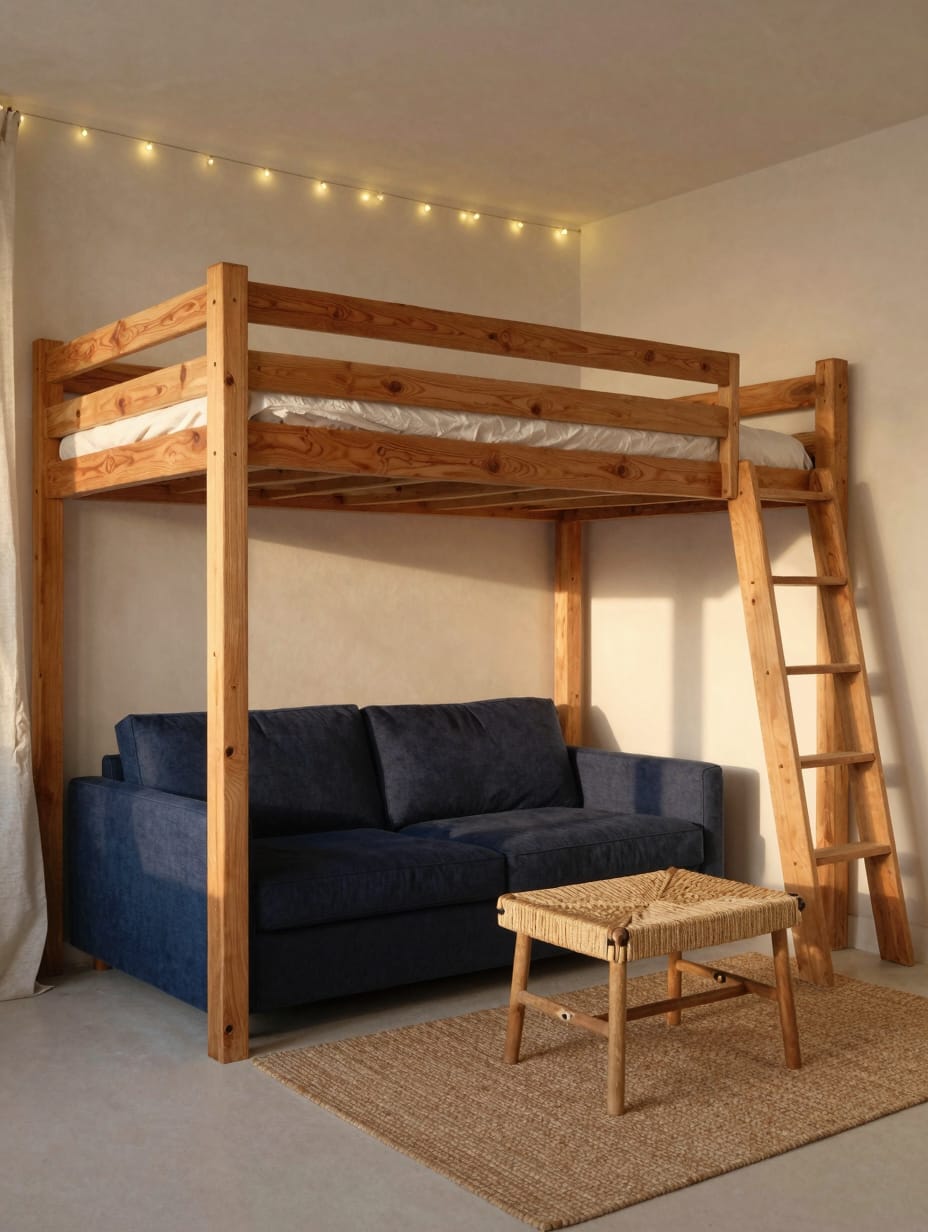
In a tiny guest room I designed, I used a timber loft bed with a honey stain to reclaim the floor below. A navy velvet loveseat fits perfectly underneath on a jute rug, creating a separate “living room” in the same 60-square-foot footprint. Fairy lights draped along the slats provide a soft glow for the seating area.
Vertical layering is the ultimate space-saver for single-room living. I’ll admit, climbing a ladder at 2 AM to get a glass of water is a chore.
How to Get This Look
- Ensure at least 36 inches of headspace above the mattress.
- Full-size loft bed, $500-$1,200, solid pine or birch.
- Contrast navy upholstery with natural tan jute textures.
- Use a tall bunk bed and leave the bottom bunk out, $300.
10. Hidden Under-Bed Treasures
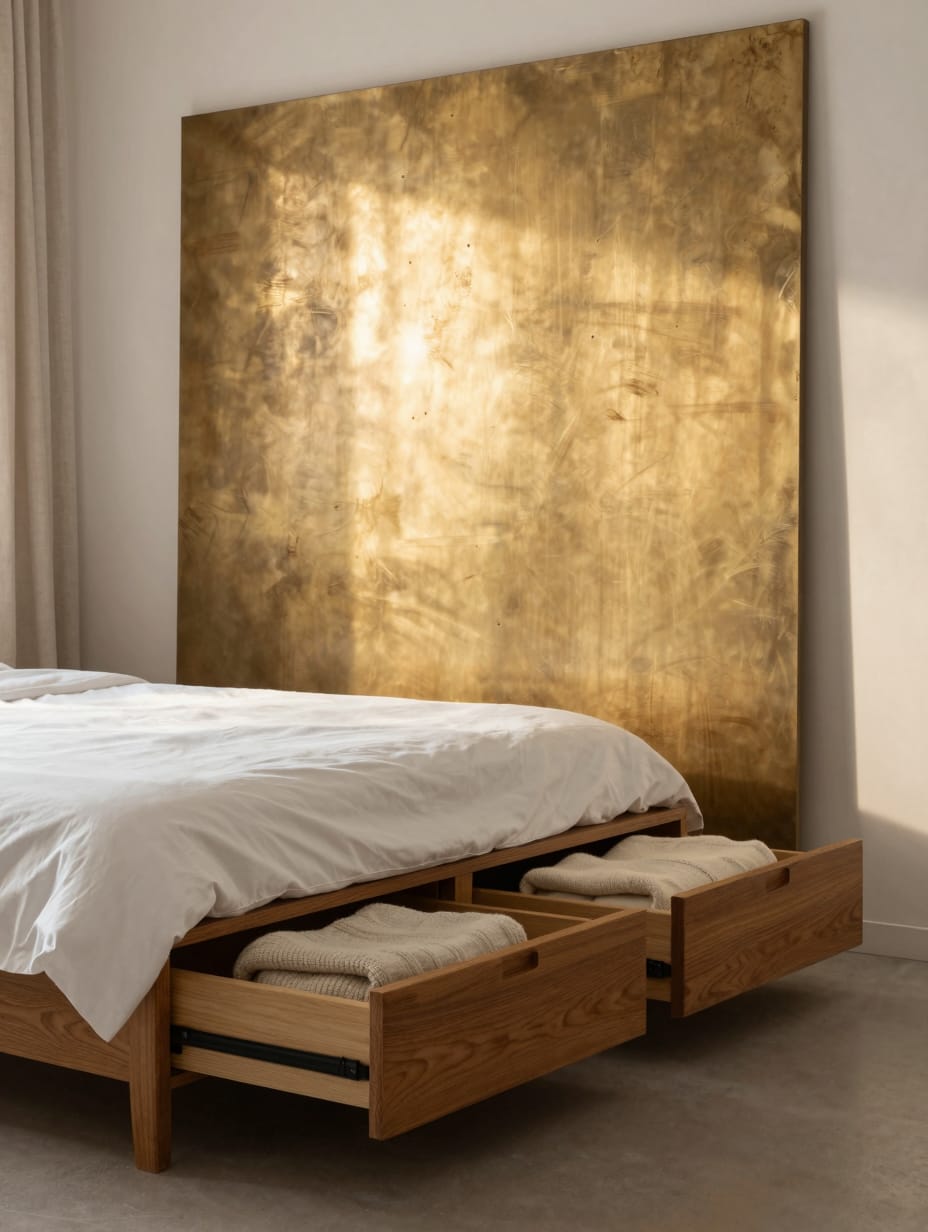
I swear by my storage bed frame that features four deep wooden drawers integrated into the base. I keep my bulky sweaters and extra linens tucked away, so I didn’t need a massive dresser taking up floor space. A crisp white duvet hangs just low enough to hide the drawer seams from view.
When your storage is part of your furniture, the rest of the room stays minimalist. Just make sure you have enough clearance to actually pull the drawers all the way out.
How to Get This Look
- Leave 3 feet of open floor space on either side of the bed.
- Storage bed frame, $600-$1,500, hydraulic or drawer style.
- Use linen organizers inside to keep clothes from shifting.
- Add rolling plastic bins under a standard bed with a skirt, $40.
11. Gossamer Canopy Dreams
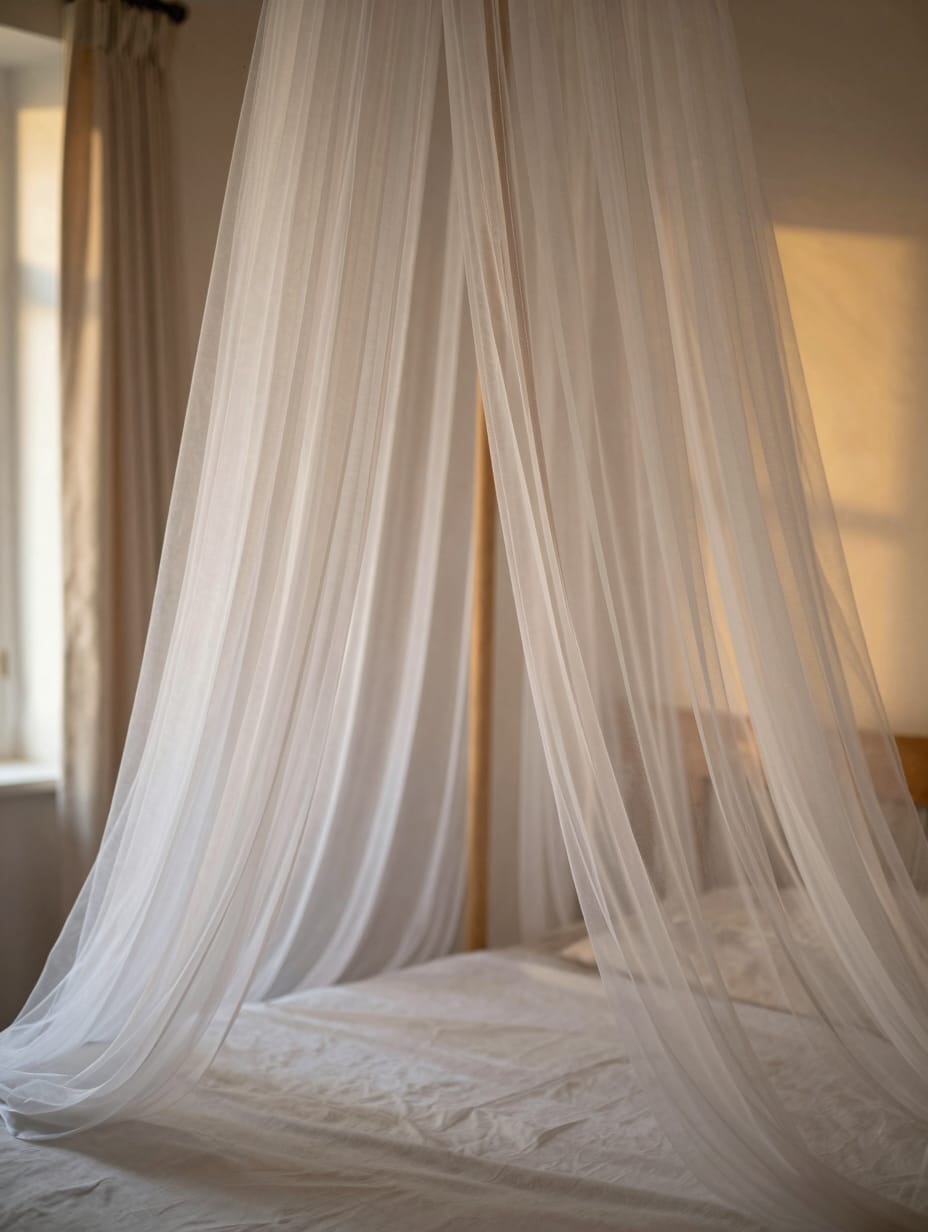
A designer showroom used four slender wooden posts and white tulle to create a “room within a room” effect. The sheer fabric is gathered with silk ribbons, providing a sense of enclosure without blocking the line of sight across the bedroom. It feels like a private cocoon that moves gently with the breeze.
Sheer materials provide privacy and style without the visual “thud” of solid walls. The downside is that tulle is a total magnet for cat hair and dust.
How to Get This Look
- Hang fabric 2 inches from the ceiling to maximize height.
- Sheer tulle panels, $20-$60, 108-inch length.
- Tie back with silk ribbons in a contrasting champagne color.
- Drape fabric from ceiling hooks if you lack a canopy frame, $30.
12. Sleek Sliding Barn Doors
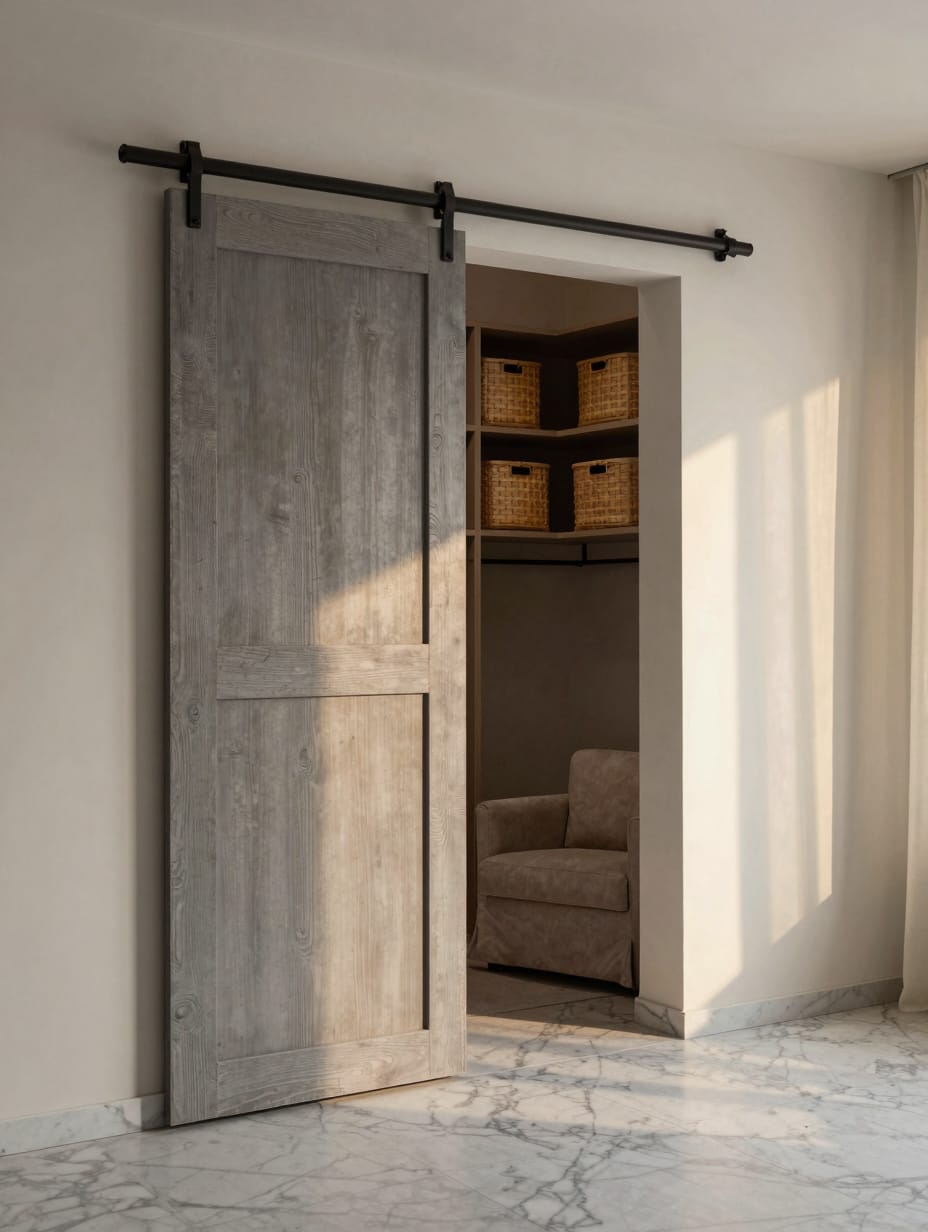
I replaced my standard swinging closet door with a reclaimed wood slider on a matte black steel track. Because it slides parallel to the wall, I could finally put my favorite armchair right next to the opening. The bamboo baskets inside the closet are now easily accessible without moving furniture around.
Swinging doors waste a surprising amount of floor “radius” that you could be using. Honestly, the sliding mechanism can be a bit noisy in the middle of the night.
How to Get This Look
- Allow for wall space double the width of the door for the slide.
- Barn door hardware kit, $100-$300, heavy-duty steel.
- Choose a gray wash finish for a modern, weathered look.
- Use a heavy linen curtain on a tension rod instead, $40.
13. The Multi-Purpose Headboard
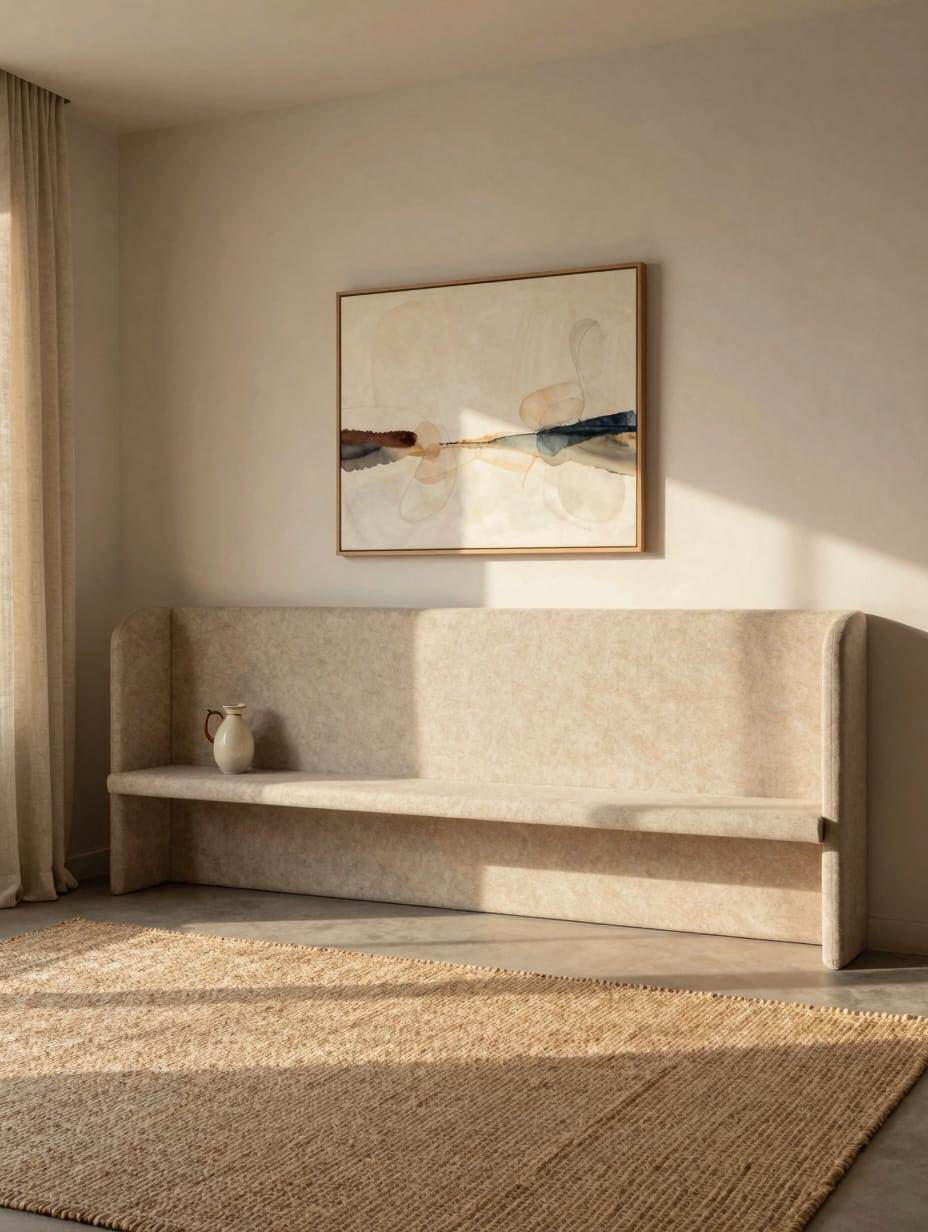
A friend’s custom headboard in oatmeal fabric actually extends 24 inches past the mattress to include floating shelves. This streamlined setup anchors the room with a large abstract watercolor piece hung right above it. It eliminates the need for separate, mismatched nightstands that usually look cluttered in tight quarters.
Integrating functions into one piece of furniture reduces visual “stutter” in the room. If you decide to move the bed, you’re stuck moving the whole unit.
How to Get This Look
- Center the headboard on the longest wall to balance the room.
- Upholstered headboard, $200-$500, wall-mounted style.
- Keep the watercolor art in soft, desaturated tones.
- Attach small floating crates to your existing headboard, $45.
14. Airy Woven Textures
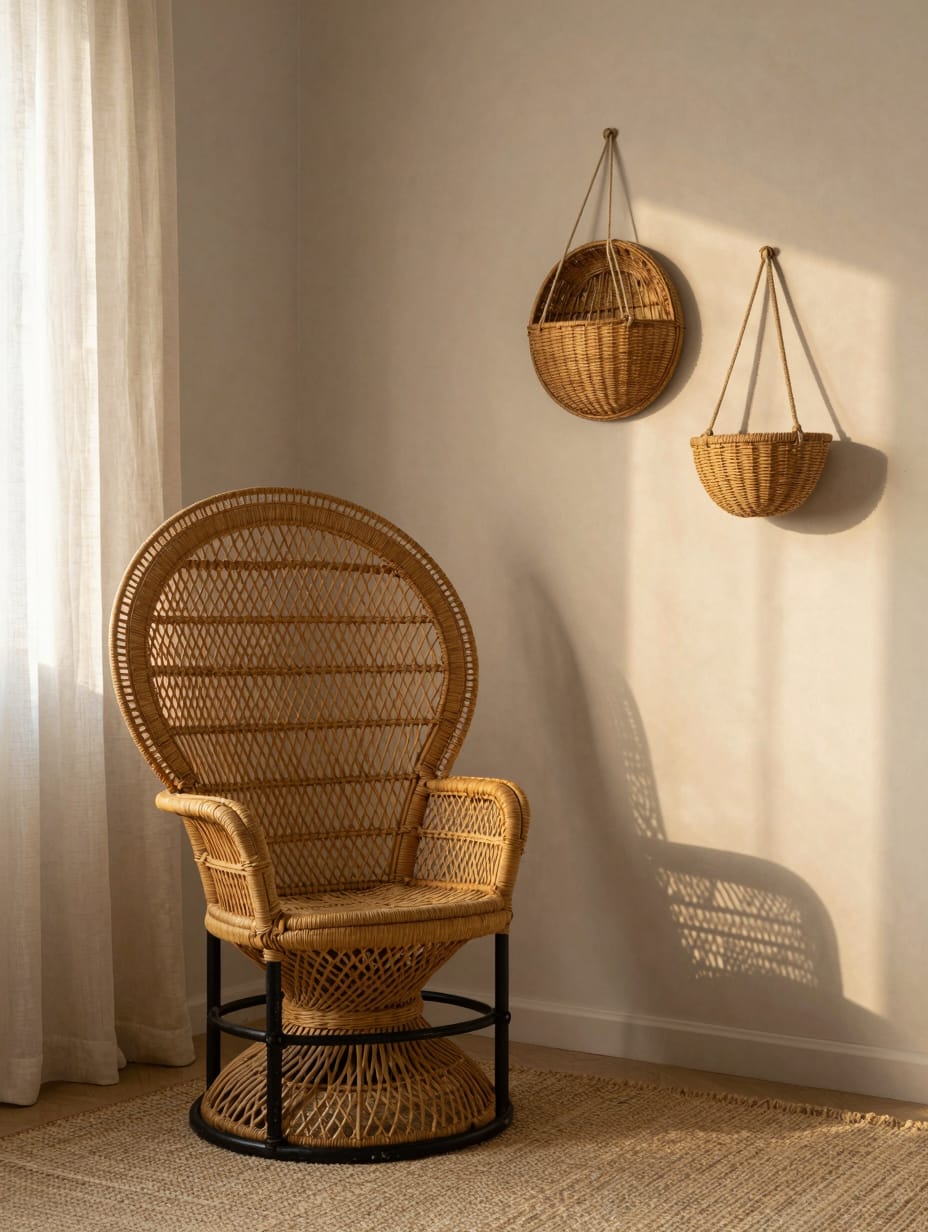
I saw a small bedroom that used a rattan peacock chair and woven baskets to add warmth without bulk. The open weave lets light pass through the furniture, so the chair doesn’t feel like a solid obstacle. A sisal rug provides a rough, natural foundation that makes the light furniture pop.
Woven materials add “breathable” character to a space that might otherwise feel sterile. Just be careful, as wicker can snag your favorite delicate knit blankets.
How to Get This Look
- Place the chair in a corner at a 45-degree angle.
- Rattan accent chair, $180-$400, natural finish.
- Group three baskets of varying sizes on the wall as art.
- Find a vintage wicker stool and paint it cream, $25.
15. Strategic Corner Shelving
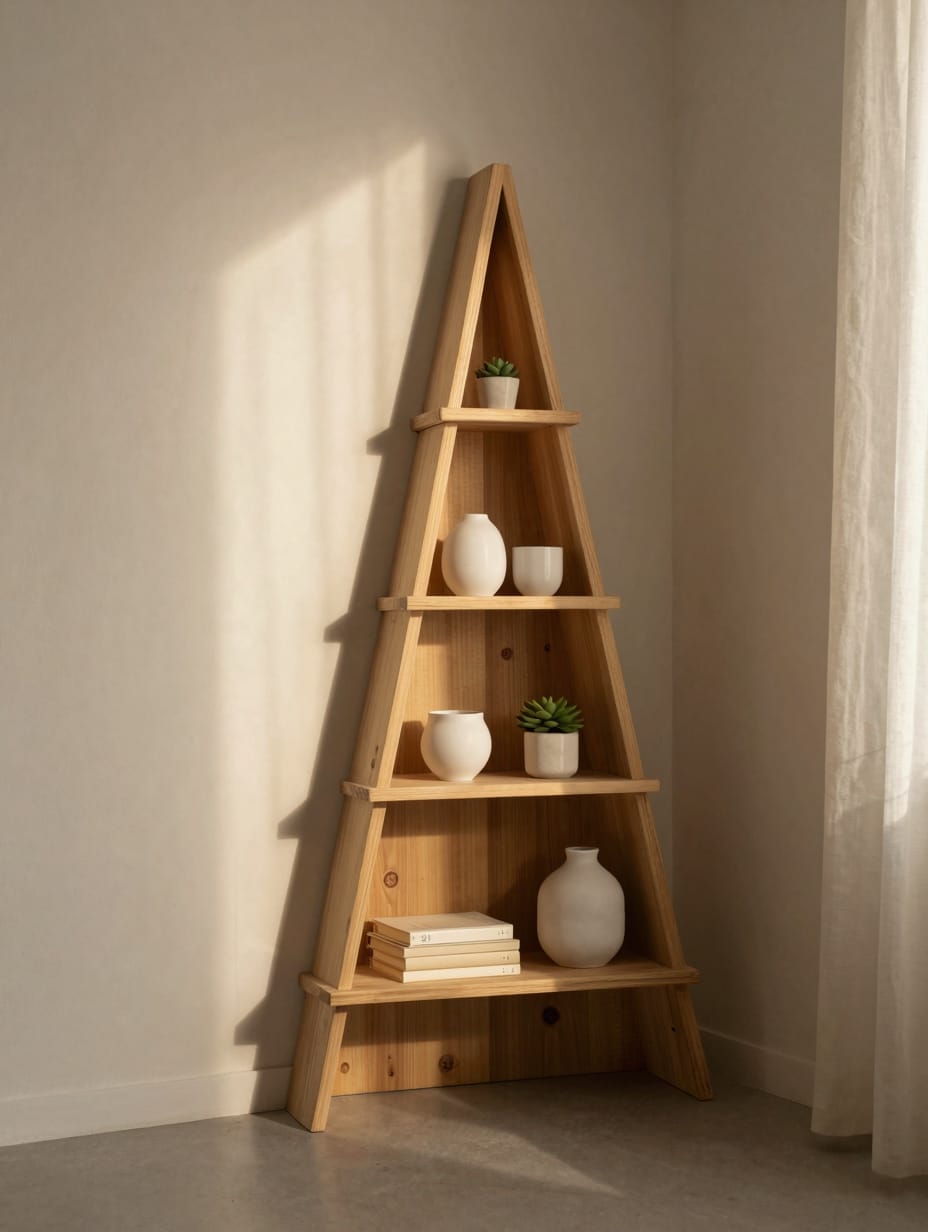
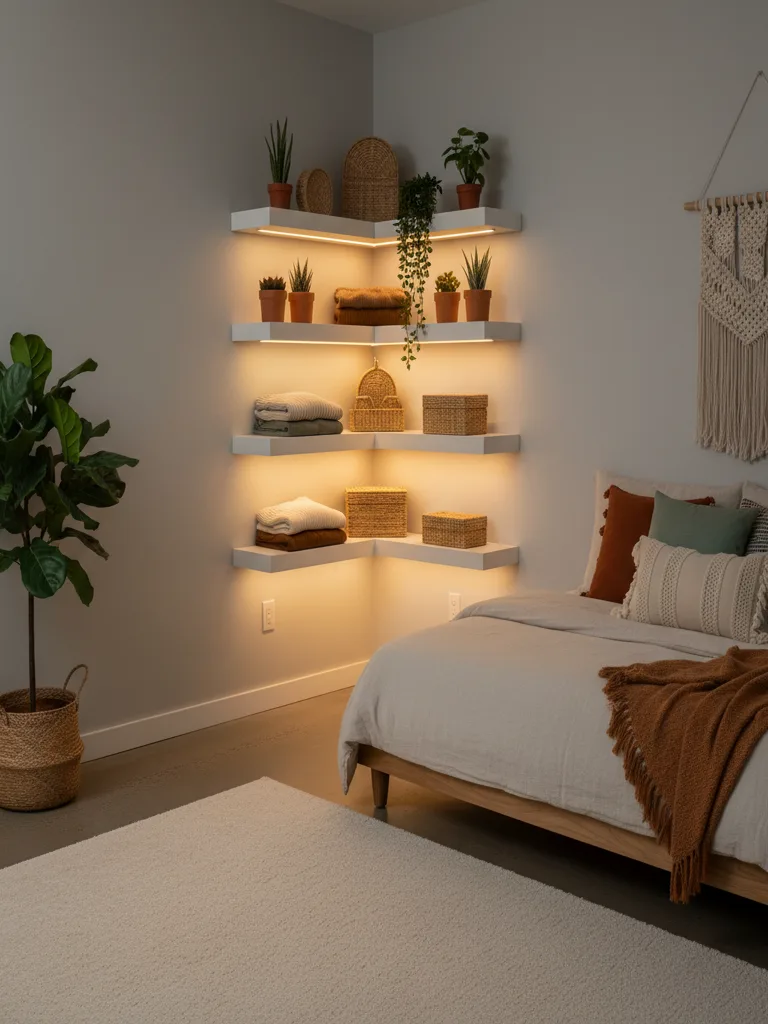
I installed birch triangular shelves in the “dead” corner behind my door to hold my journals and white ceramics. This previously dark spot now feels like a purposeful display area that draws your eye to the room’s edges. A small succulent on the middle shelf adds a tiny burst of life.
Utilizing every corner makes the room’s perimeter feel larger than it is. Full disclosure: these shelves are too small for anything actually heavy, like big art books.
How to Get This Look
- Space shelves 12 inches apart to allow for taller vases.
- Corner floating shelf set, $40-$100, solid wood.
- Display only white or cream items to keep it looking tidy.
- Repurpose old drawer fronts as triangular corner ledges, $15.
16. Ceiling-High Drapery
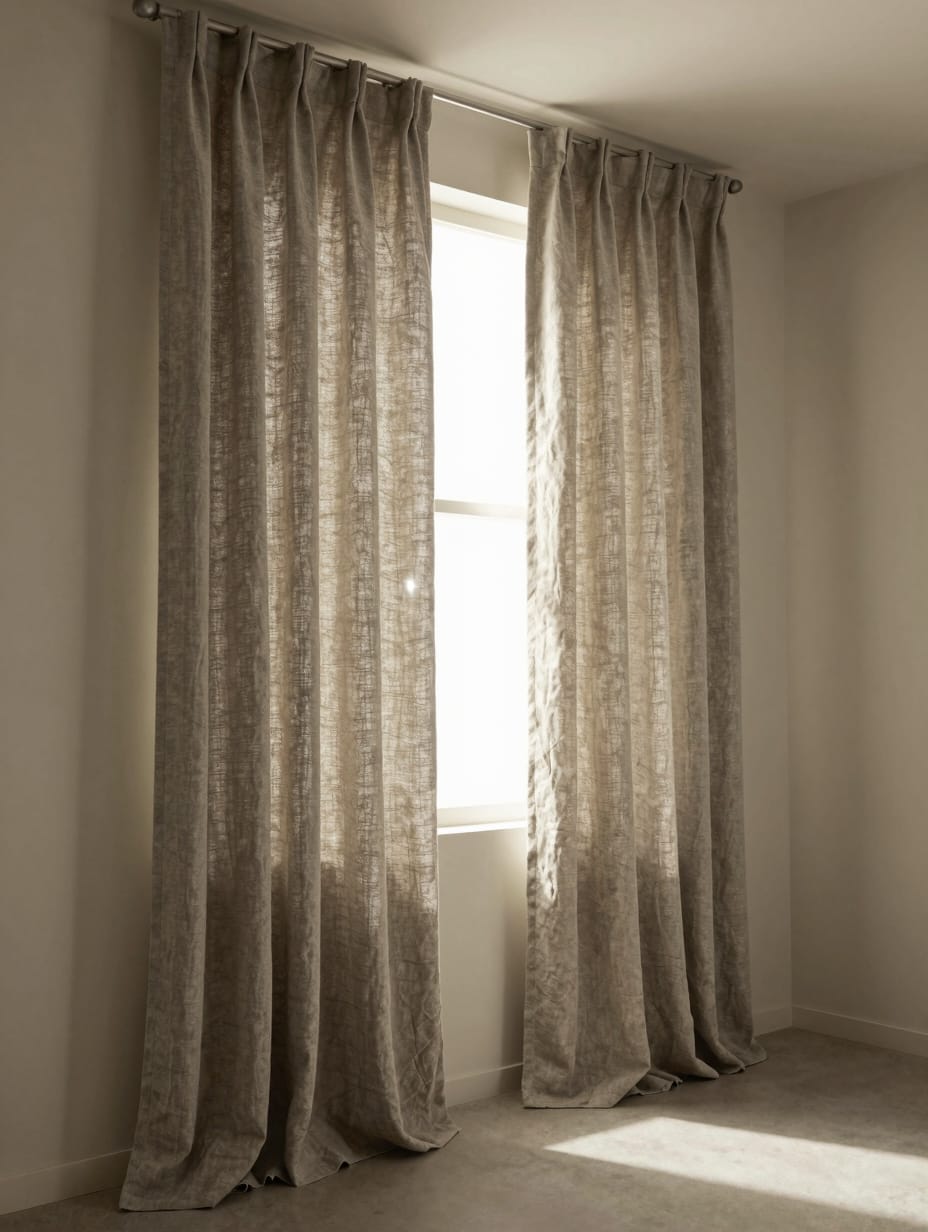
I hung dove gray linen curtains from a track mounted directly to my ceiling, letting them pool slightly on the floor. This creates long vertical lines that make my 8-foot ceilings feel significantly taller. Behind them, a blackout liner helps me sleep while the linen exterior keeps things looking soft.
Drawing the eye upward is the oldest trick for making small bedrooms feel grand. The track was a pain to drill into the ceiling joists, though.
How to Get This Look
- Extend the curtain rod 6 inches past the window frame on each side.
- Extra-long linen curtains, $80-$150, 100% flax linen.
- Use a cool dove gray to recede visually into the walls.
- Use a simple PVC pipe painted black as a high-mount rod, $20.
Loved these ideas? Save this post to Pinterest so you can come back to it later.
Simple Ways to Bring These Ideas to Life in Your Home
- Clear the floor of all loose items to immediately expand the visual area.
- Install wall-mounted lighting to reclaim space on your nightstands or desk.
- Use tone-on-tone color palettes to prevent the room from feeling fragmented.
- Choose furniture with legs rather than solid bases to let light pass under.
- Hang mirrors and artwork higher than usual to emphasize the ceiling height.
Frequently Asked Questions
What is the best bed size for a small room?
A full-size bed is usually the sweet spot for comfort without overwhelming the space. If you are sleeping alone, a twin XL provides extra length while saving 15 inches of width. I found that a queen often leaves too little room for bedside tables in tight corners.
How do I make a small bedroom look less cluttered?
Focus on closed storage and monochromatic colors. When your bins and furniture match the wall color, they disappear visually. I also suggest the “one in, one out” rule for decor to ensure your surfaces don’t become catch-alls for mail and trinkets over time.
Can I use dark colors in a tiny bedroom?
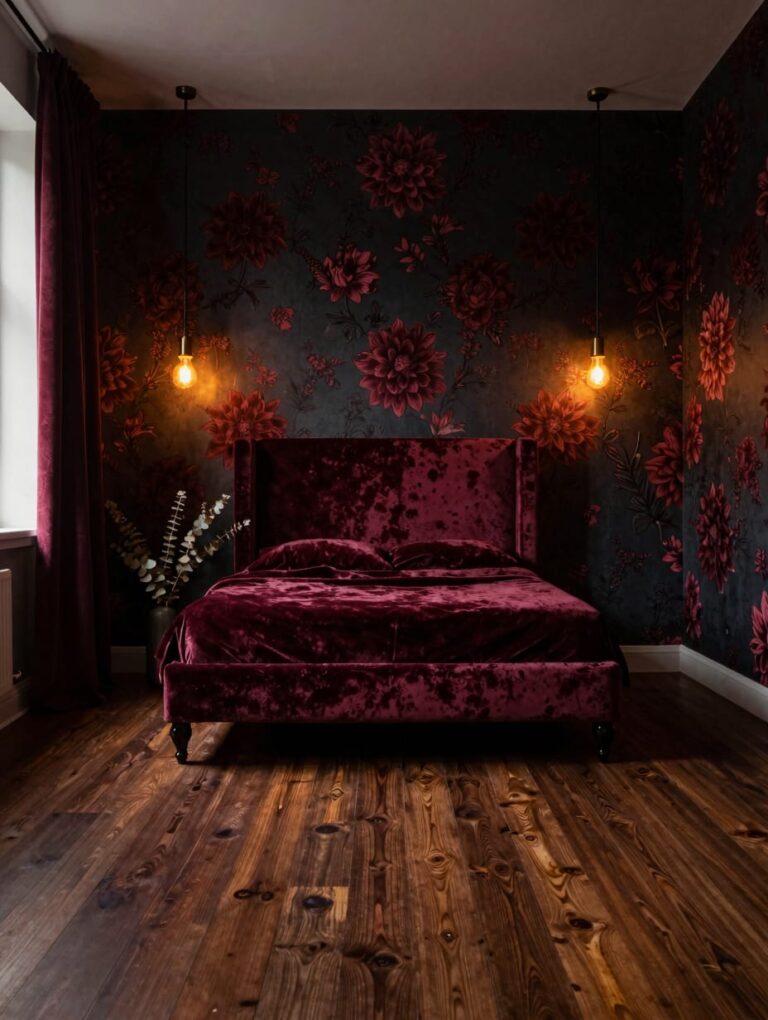
Yes, but use them strategically on a single “accent” wall or through textures like velvet. Deep colors can create a cozy, “jewel box” feel if you have enough natural light. However, I usually stick to light neutrals for the main walls to keep things feeling airy.
Are rugs okay in small bedrooms?
A large rug that fits under the bed and extends 18 inches on each side actually makes the room look bigger. Small rugs can make the floor look “chopped up” and messy. I prefer a low-pile jute or a thin flatweave to avoid tripping in narrow walkways.
Common Myths About Small Bedroom
Myth: You must use tiny furniture.
Actually, filling a room with many small pieces makes it look cluttered and busy. One or two “hero” pieces, like a larger bed or a tall dresser, create a cleaner look. Evidence shows that fewer, larger items provide better visual flow than a dozen tiny stools and tables.
Myth: Walls must stay white to feel big.
While white helps, cool tones like soft blue or pale gray can be just as effective at “receding.” These colors trick the brain into thinking the walls are further away than they are. I’ve seen sage green rooms feel just as spacious as stark white ones.
Myth: You can’t have a workspace in a small bedroom.
With a floating desk or a clear acrylic setup, you can easily squeeze in a “cloffice” or a corner nook. The key is choosing furniture that doesn’t have a heavy silhouette. I used a fold-down wall desk for years that worked perfectly without permanent floor loss.
Small Bedroom: Thoughts
Building a restful space doesn’t require a massive floor plan, just a few smart small bedroom ideas and a bit of editing. Focus on lighting and vertical space to keep things breathable. Save this post to Pinterest 📌 and start building the apartment you actually want to come home to.