14 Open Layout Living Room Ideas That Flow Beautifully From Every Angle
Walking into a vast, empty space feels daunting until you find the right anchor. I remember staring at my own open layout living room, wondering how to make the kitchen island and the sofa stop feeling like distant cousins. By using texture and smart zones, you can turn a cavernous room into a series of intimate, connected moments that breathe. It is about creating a path that feels natural to walk.
Why These Open Layout Living Room Ideas Are Worth Trying
Zoning a large space prevents that awkward furniture-against-the-wall look that makes homes feel like waiting rooms. These strategies use visual cues like rug placement and lighting heights to define “rooms” without needing to build a single permanent partition.
Table of Contents
1. The Floating Sofa Anchor
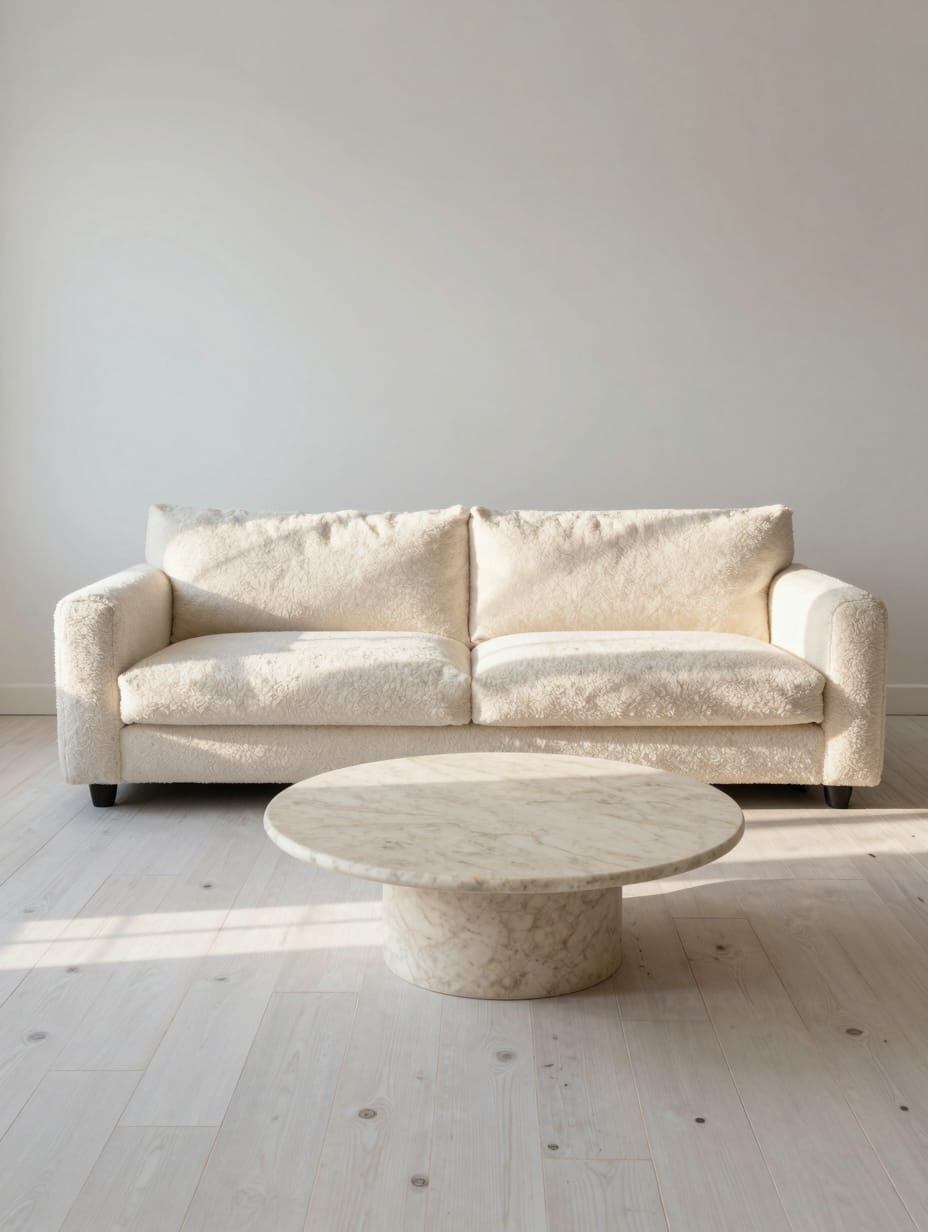
I placed my cream bouclé sectional right in the center of the room, leaving a clear three-foot walkway behind it. Sunlight hits the nubby fabric and the white oak floors, making the whole island of furniture feel grounded rather than drifting. A heavy marble coffee table sits in the middle to stop the rug from sliding.
Positioning your largest piece away from the walls forces foot traffic to flow around the seating area. Just be aware that you might need a floor outlet to keep lamp cords from becoming trip hazards.
How to Get This Look
- Leave 36 inches of clearance behind the sofa for a natural walkway.
- Bouclé Sectional, $1,800-$3,500, choose high-density foam for shape retention.
- Pair creamy upholstery with a honed grey marble surface.
- Use a thick felt rug pad for $60 to keep furniture from shifting.
2. Zoned Symmetry with Dual Rugs
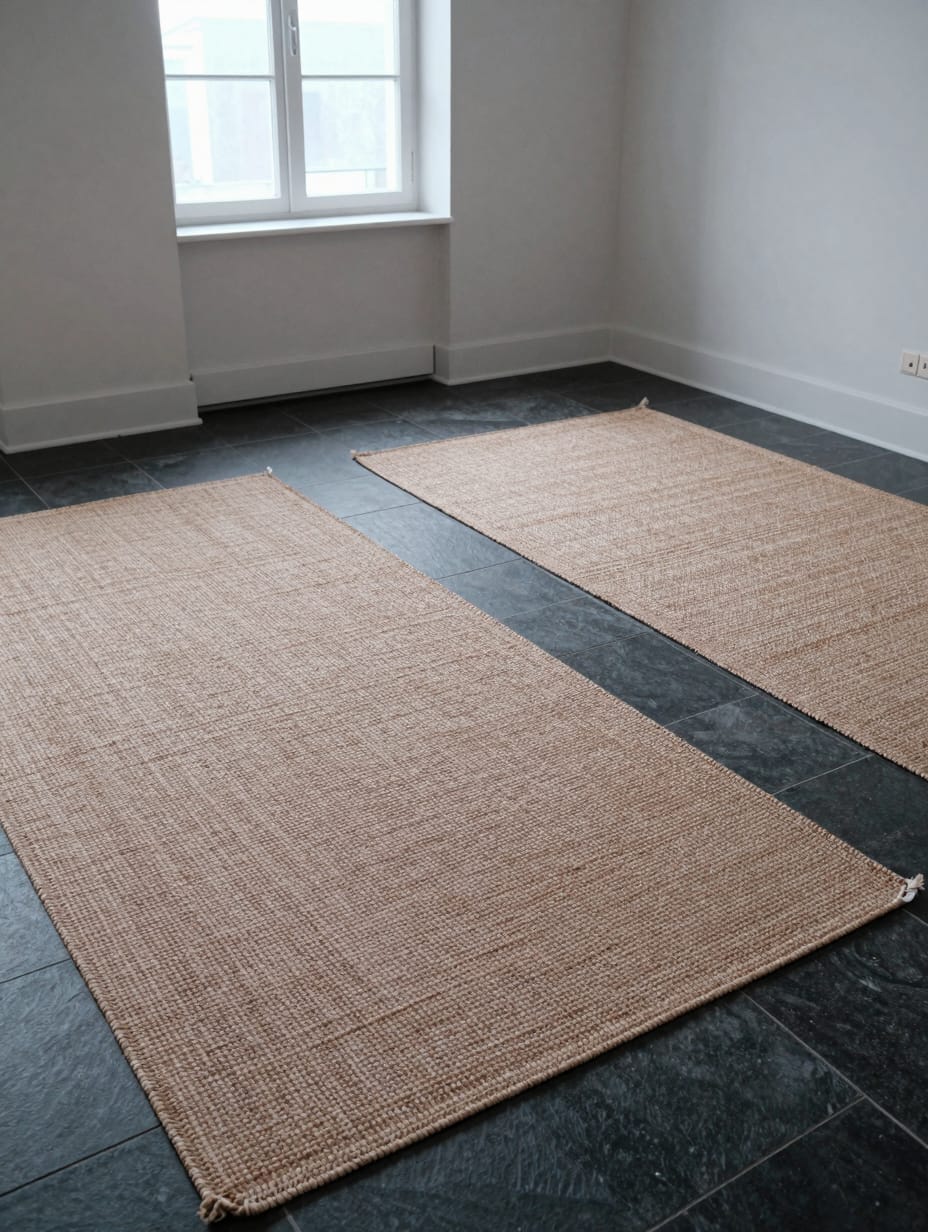
A designer I follow used two identical jute rugs to separate a dining area from a lounge on dark slate tiles. The repetition of the tan fibers creates a rhythmic beat across the floor that makes the two zones feel like part of the same family. Matching armchairs face each other across the invisible line where the rugs meet.
Using the same rug twice is a safe way to ensure the floor plan doesn’t look cluttered. However, jute can be scratchy on bare feet if you spend a lot of time sitting on the floor.
How to Get This Look
- Measure so rugs sit at least 12 inches apart to define the gap.
- Oversized Jute Rug, $300-$600, look for a tight basketweave to reduce shedding.
- Contrast natural tan fibers against cool-toned slate or dark wood.
- Layer a smaller $40 cotton flatweave on top for extra softness.
3. The Cohesive Color Thread
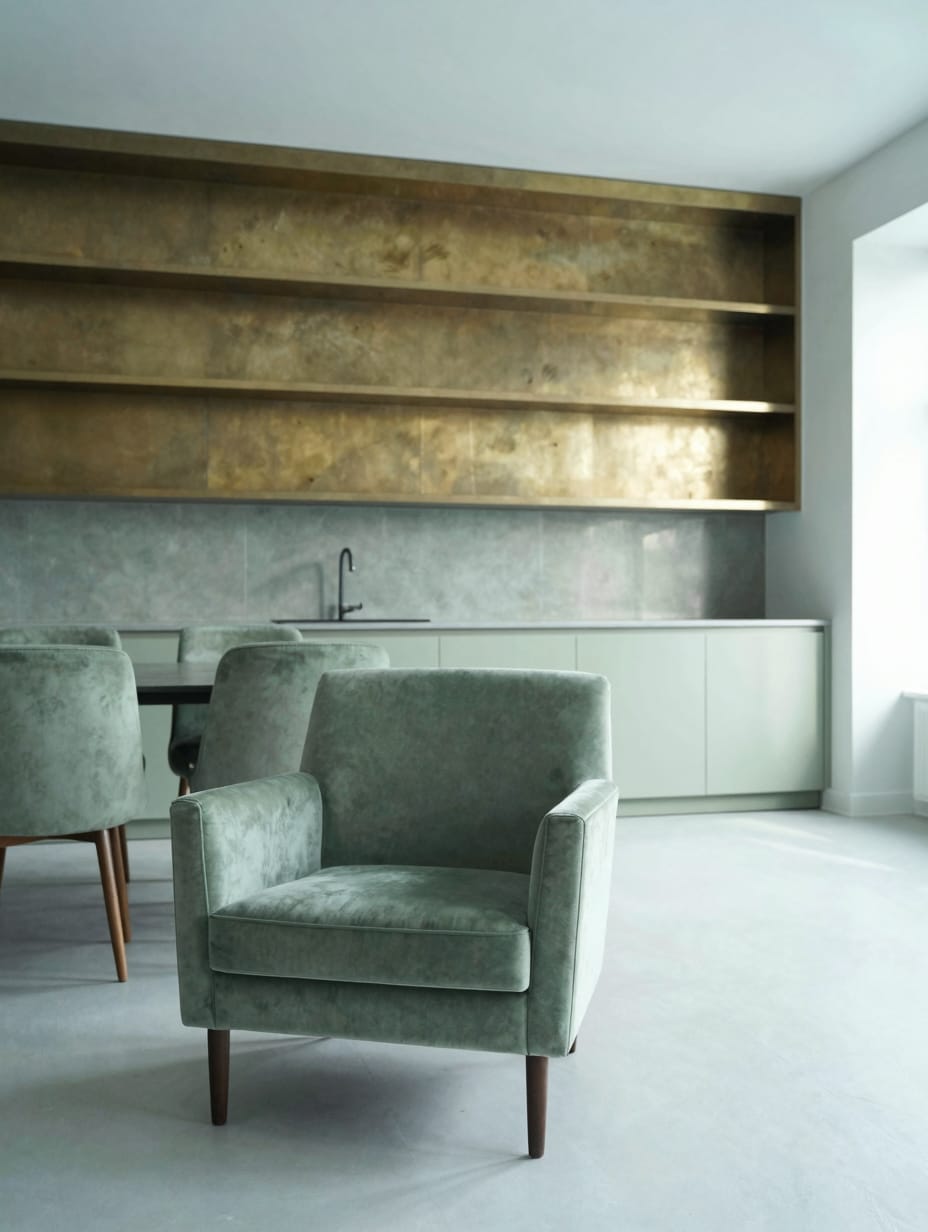
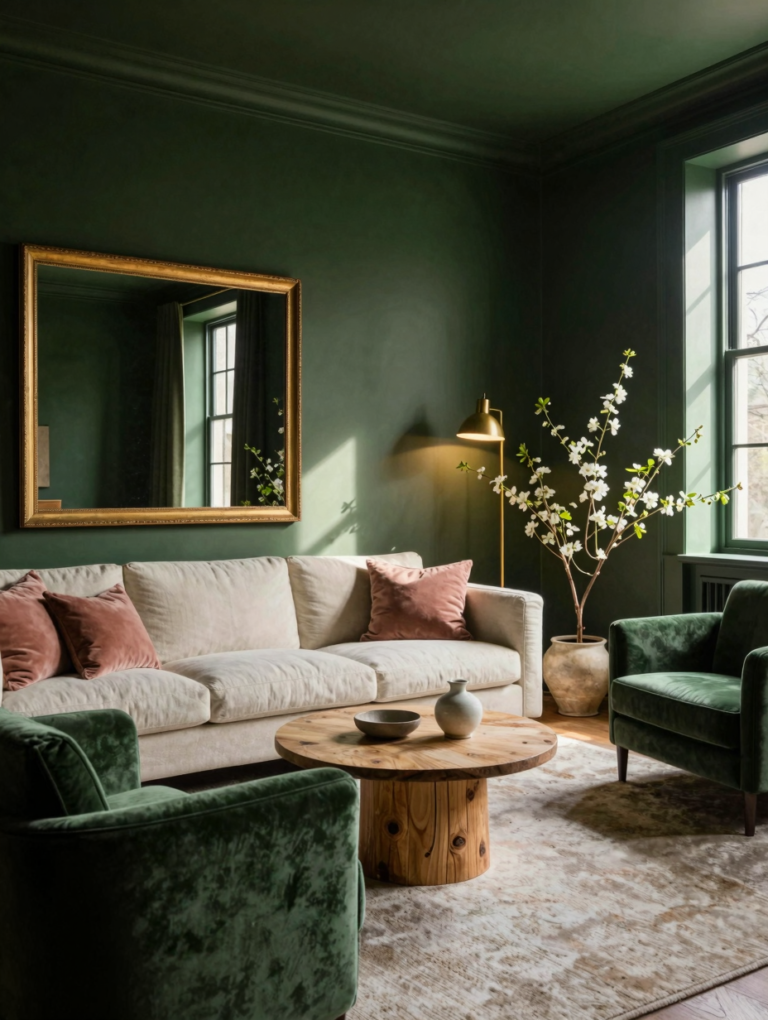
In a project I helped with, we used a specific sage green to bridge the kitchen and the living area. A velvet armchair in the corner matches the backsplash tiles and even the tiny thread in the dining cushions. This creates a visual breadcrumb trail that leads your eye through the entire open plan living room.
Pick one muted accent color and repeat it at least three times across different zones. If you go too bright, the “thread” can feel a bit overwhelming and loud.
How to Get This Look
- Place the largest color pop in the furthest corner to draw the eye.
- Velvet Armchair, $450-$900, select a performance fabric for easy cleaning.
- Match ceramic vases to your textile shades for a layered look.
- Buy $15 matching pillow covers to test the color before committing.
4. Transparent Glass Dividers
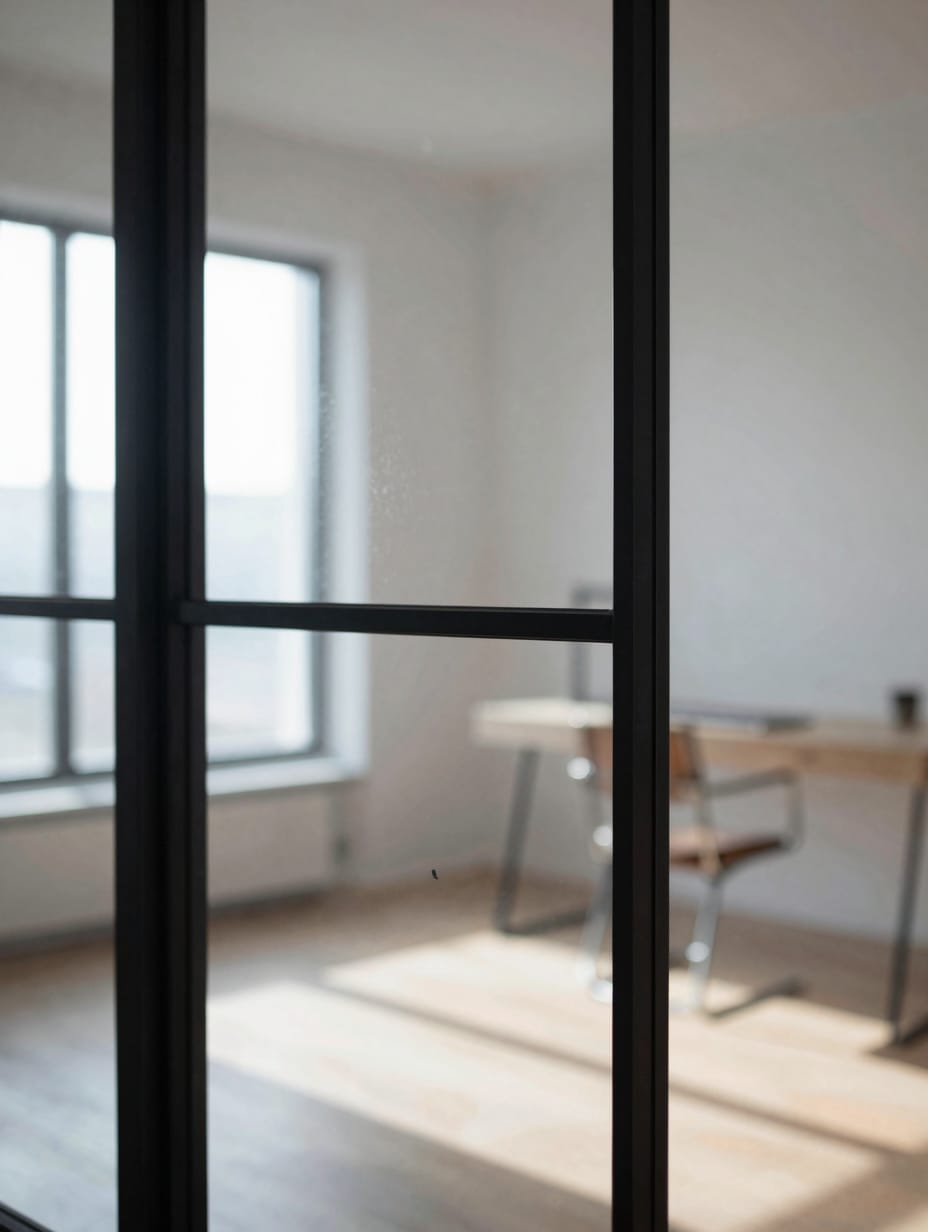
I saw a black-framed Crittall-style glass wall in a local showroom that felt like a revelation for home offices. You can see straight through to the sunny living room, so the floor plan feels massive even though the sound is blocked. The industrial steel frames add a sharp architectural edge to otherwise soft decor.
These partitions define a room without stealing light or making you feel isolated. The downside is that every fingerprint shows up instantly on those large panes.
How to Get This Look
- Align the partition with a ceiling beam for a built-in appearance.
- Black Steel Glass Partition, $1,200-$3,000, ensure tempered safety glass is used.
- Keep the frames slim to maximize the view through the glass.
- Use black electrical tape for $5 to mock up the frame before buying.
5. Low-Profile Furniture Sightlines
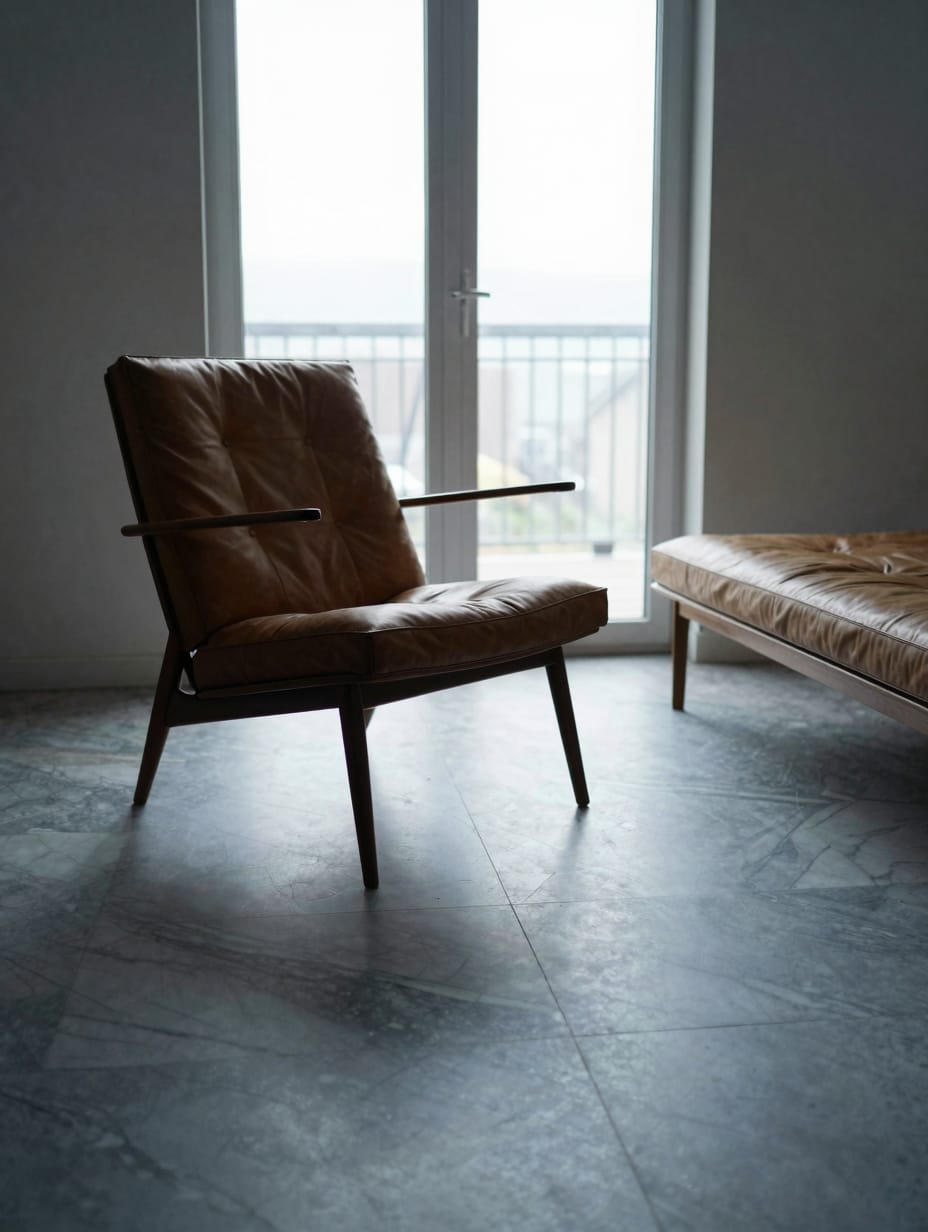
One of my friends opted for a low-slung leather daybed instead of a standard sofa to keep her patio view clear. Because the furniture sits low on tapered legs, the camera of your eye glides right over it to the windows beyond. It makes the ceiling feel twice as high as it actually is.
Choosing “leggy” furniture with low backs keeps the air moving visually. It can be a struggle for taller guests to get out of these seats comfortably, though.
How to Get This Look
- Keep sofa backs under 30 inches to preserve the horizontal sightline.
- Mid-Century Lounge Chair, $600-$1,200, look for solid walnut frames.
- Pair cognac leather with slim matte black metal accents.
- Swap bulky wooden legs for $25 metal hairpin legs to lift pieces.
6. Architectural Greenery Screens
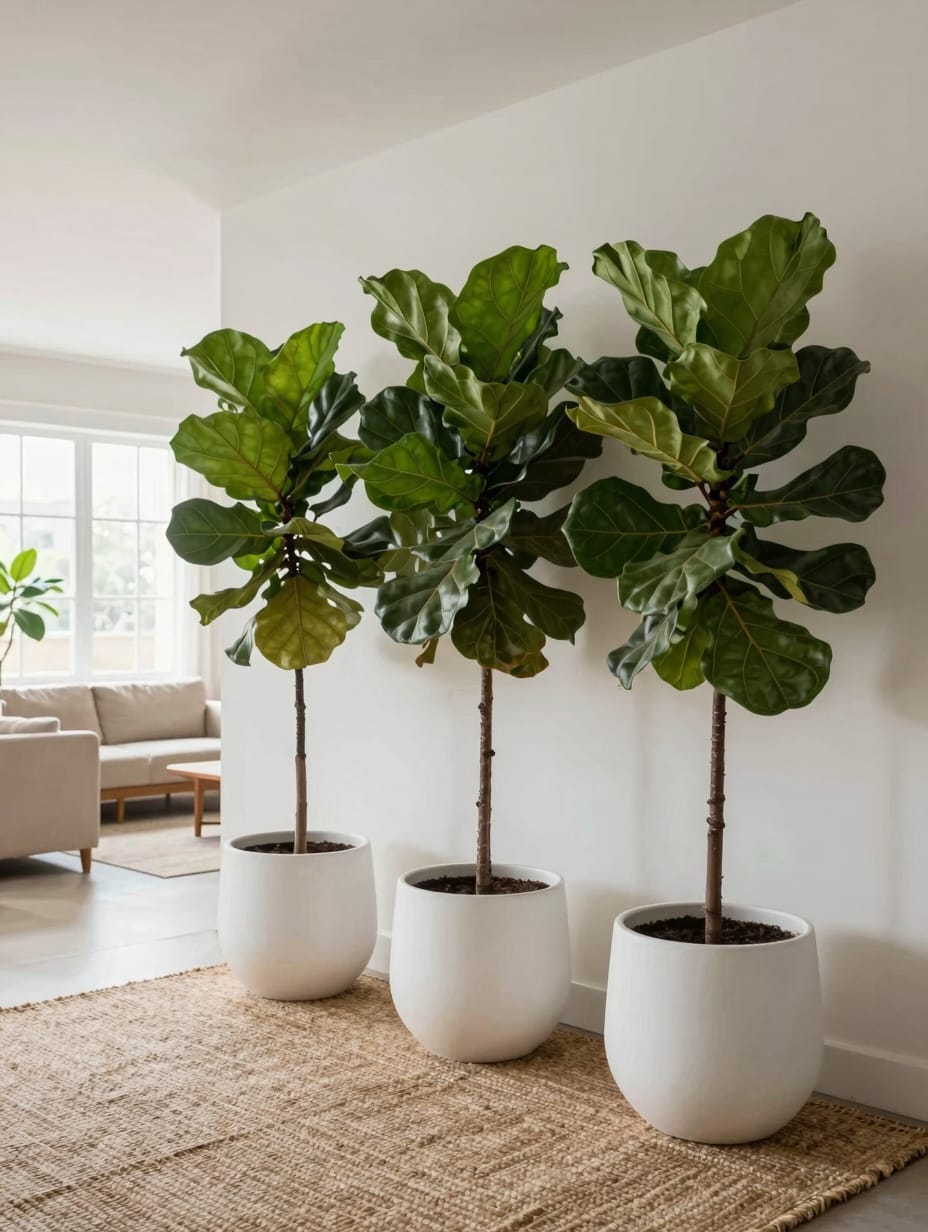
I’ve found that a row of three Fiddle Leaf Figs in matte white pots acts as a perfect “breathable” wall. They separate my entryway from the main lounge without making the hall feel like a dark tunnel. The leaves filter the light into soft patterns on the floor while adding a vertical organic element.
Plants are a great way to add height if your furniture is all quite low. Just remember that the ones furthest from the window might need a grow light to stay green.
How to Get This Look
- Space planters 18 inches apart to create a screen that isn’t solid.
- Matte White Ceramic Planter, $80-$150, ensure it has a drainage hole.
- Group plants with varying leaf shapes for a more textured screen.
- Use high-quality silk trees for $120 if you lack a green thumb.
7. Statement Lighting Anchors
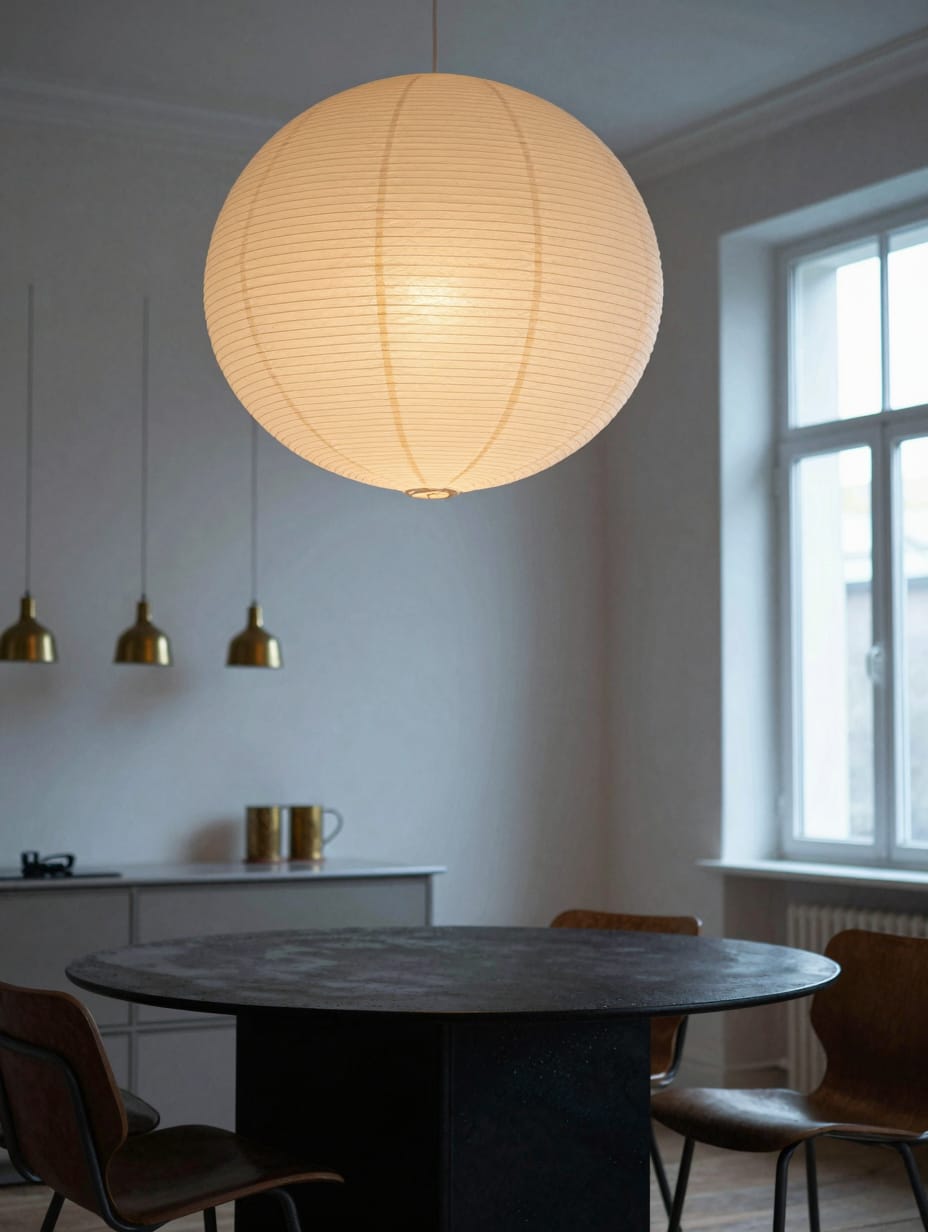
I hung an oversized paper lantern over my seating group to signal exactly where the “living room” begins. Over the kitchen island, I used three smaller brass pendants to create a different mood for cooking. Keeping the bulb temperatures at 2700K ensures the two zones don’t clash when the sun goes down.
Varying the scale of your lights helps differentiate the functions of an open concept decor plan. Cleaning dust off a massive paper lantern is a delicate, annoying chore.
How to Get This Look
- Hang the main pendant 30 inches above the coffee table surface.
- Sculptural Paper Lantern, $150-$400, choose one with an internal wire frame.
- Mix warm brass finishes with soft white parchment or linen shades.
- Install a $20 dimmer switch to control the mood in each zone.
8. The Wraparound Console Bridge
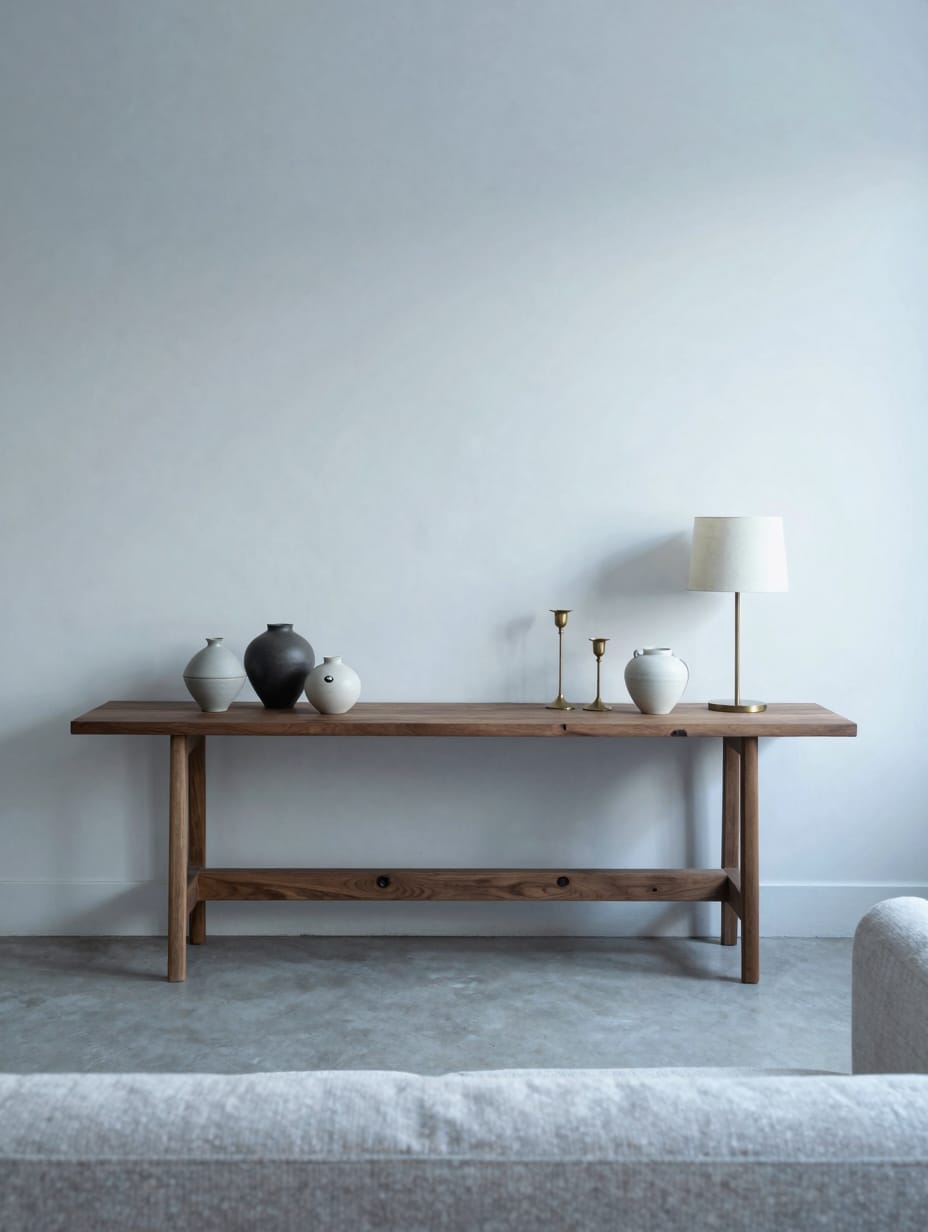
My walnut console table sits tight against the back of my floating sofa, hiding the upholstery seams. It holds a few ceramic vessels and a tall lamp that casts light toward the dining area, acting as a physical bridge between spaces. It’s the perfect spot to drop a drink or a book when the coffee table is out of reach.
A console adds a layer of “finished” detail to the middle of a room. It does create one more surface that inevitably collects mail and random keys.
How to Get This Look
- Select a console two inches lower than the back of your sofa.
- Walnut Console Table, $350-$800, look for a slim depth of 12 inches.
- Style with three items of varying heights to create visual interest.
- Use a $40 IKEA Lack shelf as a minimalist low-cost alternative.
9. Seamless Flooring Transitions
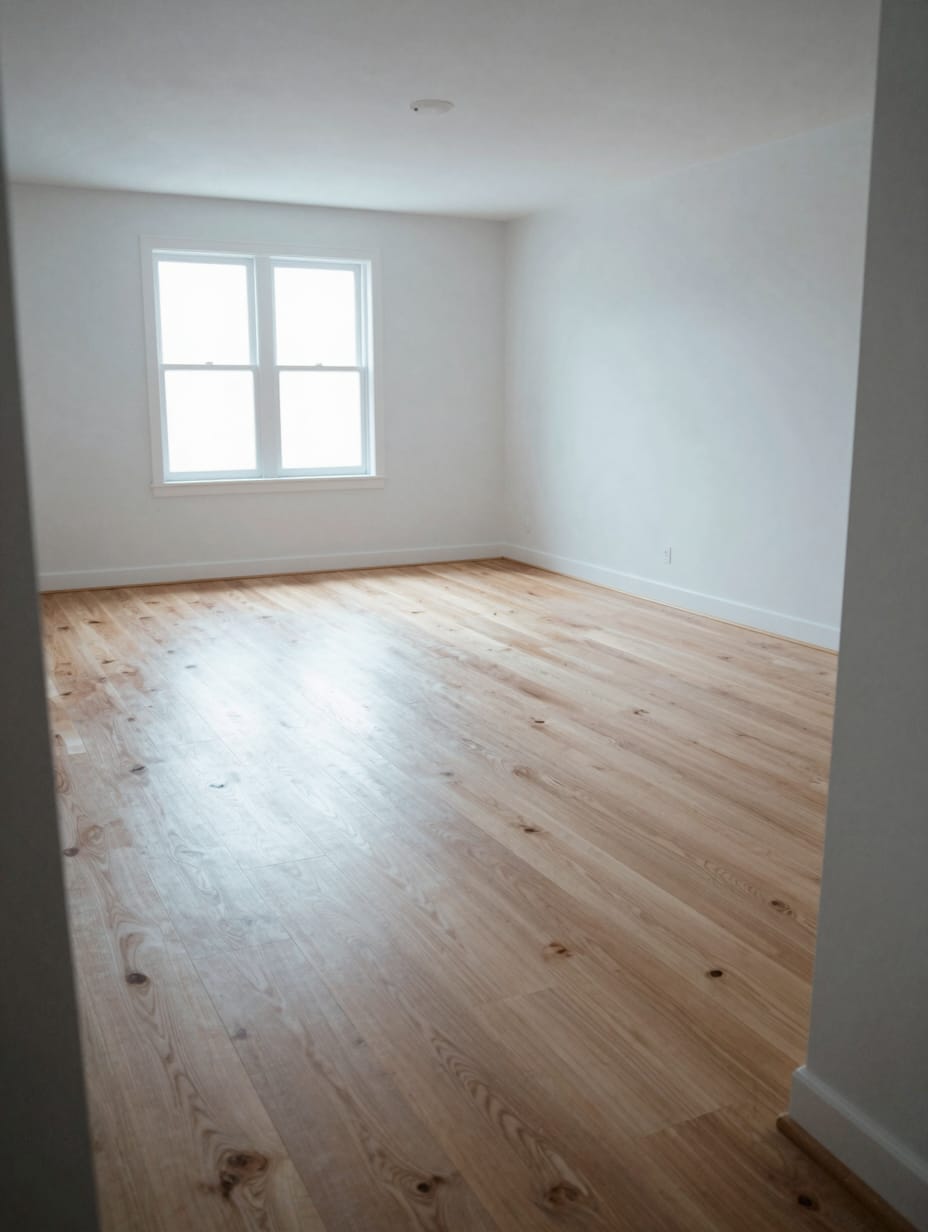
A designer portfolio I admired showed light ash hardwood running from the front door all the way through the kitchen. There are no T-moldings or metal strips to trip over, which makes the floor look like one continuous liquid surface. It reflects the light and makes the whole footprint feel massive.
Running one material throughout is the easiest way to achieve open floor plan styling that works. Replacing damaged boards in a single-floor layout can be a nightmare later on.
How to Get This Look
- Lay planks parallel to the longest wall to elongate the room.
- Ash Hardwood Flooring, $8-$14 per sq ft, choose a matte finish.
- Match floor vents to the wood species for a hidden look.
- Apply $30 clear coat to existing wood to unify different rooms.
10. Curved Furniture Flow
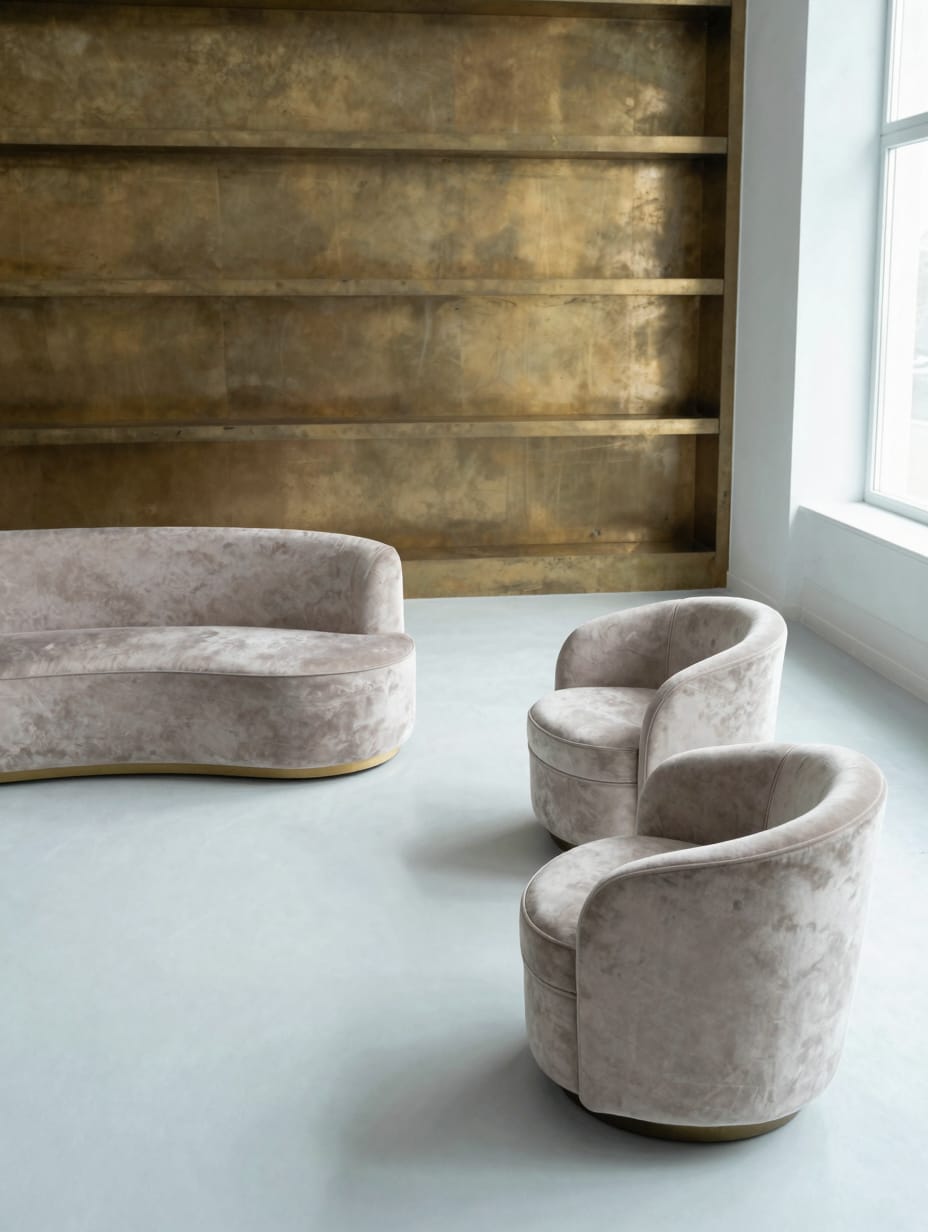
Honestly, the best thing I did was swap my rectangular sofa for a curved velvet one. The rounded edges mean I never bang my shins when walking from the kitchen to the balcony. It creates a circular flow that feels much more organic than the usual boxy furniture layouts.
Curves soften the harsh lines of a modern open room and encourage movement. Finding a rug that fits properly under a curved sofa can be surprisingly difficult.
How to Get This Look
- Place curved pieces at a slight angle to break the grid.
- Curved Velvet Sofa, $1,500-$4,000, check the frame is kiln-dried hardwood.
- Pair with a round wool rug to echo the furniture’s shape.
- Add $50 circular pillows to a standard sofa for a similar feel.
11. Double-Sided Focal Point
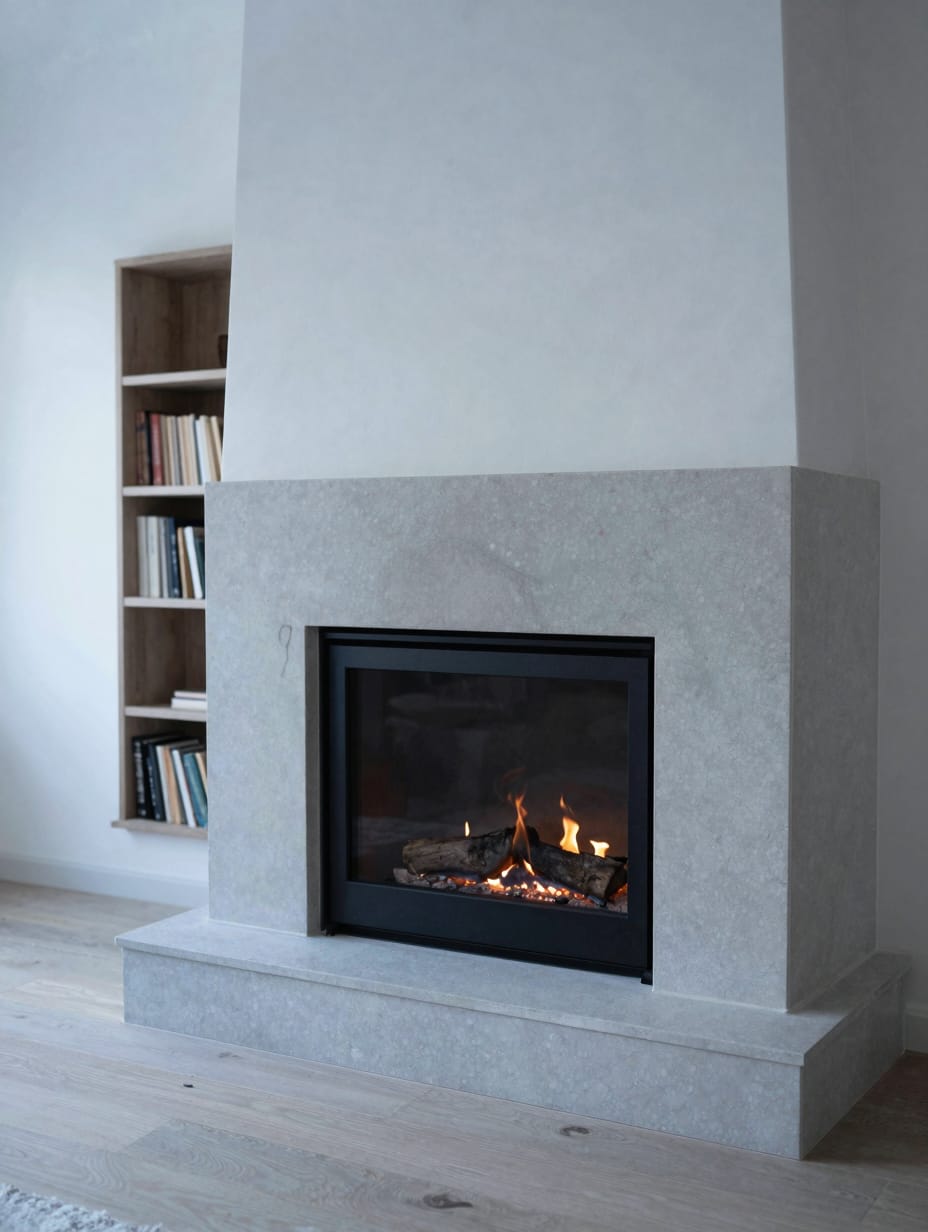
I saw a matte gray stone fireplace that sat right between a lounge and a reading nook. Because it was open on both sides, the fire was visible from everywhere, anchoring the center of the floor plan. It provides a massive architectural “heart” that both rooms share without needing a wall.
A central focal point like this gives people a reason to gather in the middle of the space. Installing gas lines to the center of a room is quite expensive.
How to Get This Look
- Center the fireplace between two seating groups for maximum utility.
- Double-Sided Gas Insert, $2,500-$6,000, ensure it is vented correctly.
- Clad the exterior in large-format stone tiles for a seamless look.
- Build a $500 faux-stone pillar with an electric insert for less.
12. Ceiling Detail Differentiation
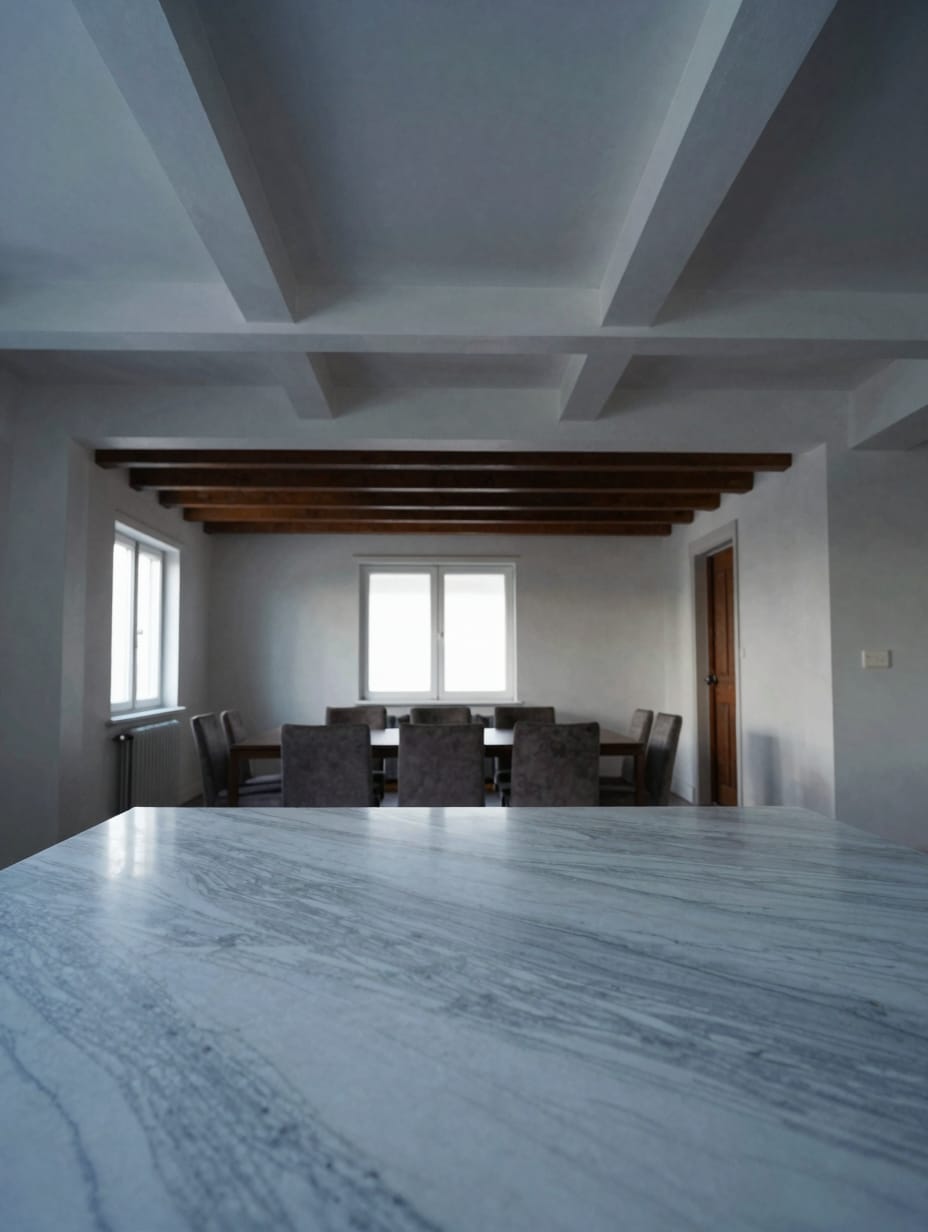
In a home I visited, the dining area had a formal coffered ceiling while the living room featured rustic wooden beams. You don’t need a wall when the architecture above your head tells you that you’ve entered a new “room.” It’s a subtle way to categorize the house without losing the open feel.
Ceiling treatments are great for adding character to a plain boxy space. Painting between beams is a slow, neck-aching job that I wouldn’t do twice.
How to Get This Look
- Match the wood stain of the beams to your floor for cohesion.
- Faux Wood Beams, $150-$300 each, choose lightweight high-density polyurethane.
- Use recessed lights inside coffers for a modern, clean glow.
- Paint the ceiling of one zone a soft $40 grey to define it.
13. Tactile Texture Layering
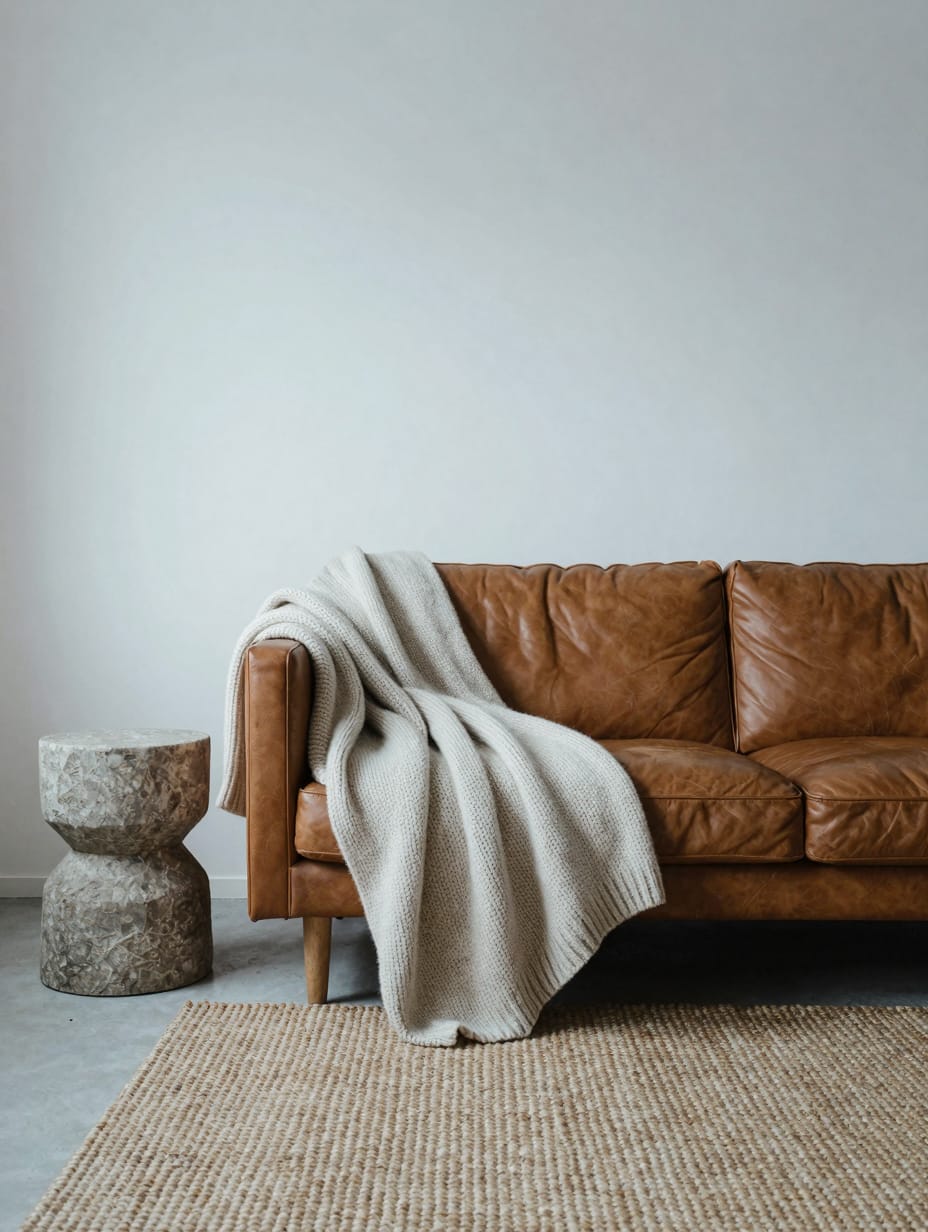
I love layering a chunky knit wool throw over a smooth leather sofa to keep things from feeling sterile. In a large open room, adding a rough stone side table and a silky rug prevents the “echo” effect. These contrasting textures add physical warmth to the expansive white walls.
Layering keeps an open space from feeling like a cold gallery or an office. Just be careful with viscose rugs, as they can be ruined by a single spill.
How to Get This Look
- Mix at least four distinct textures like leather, wool, stone, and metal.
- Chunky Knit Throw, $70-$150, look for real Merino wool for longevity.
- Place a stone table next to a soft upholstered chair for contrast.
- Toss a $30 faux sheepskin over a chair for an instant texture boost.
14. The Multifunctional Ottoman Hub
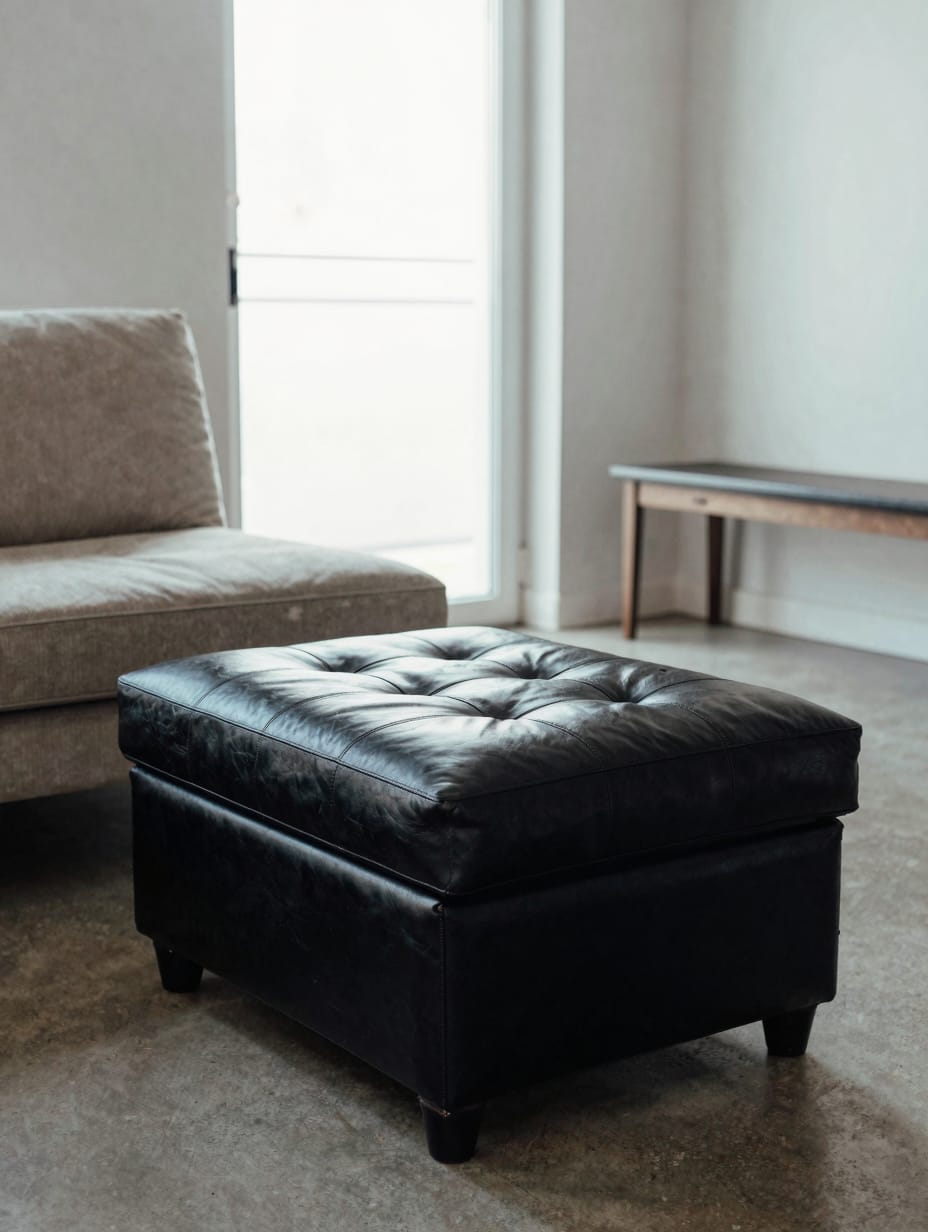
I swapped my coffee table for a massive tufted leather ottoman that sits at the crossroads of the room. I can use it as a footrest from the sofa, or guests can sit on it like a bench when they’re hanging out near the entry. It’s the ultimate flexible piece for a high-traffic open layout living room.
Ottomans provide extra seating without the visual weight of another heavy chair. However, you’ll need a sturdy tray if you want to set down a glass of wine.
How to Get This Look
- Choose an ottoman that is at least 36 inches square for impact.
- Tufted Leather Ottoman, $400-$900, select top-grain leather for a nice patina.
- Top with a 24-inch wooden tray to hold drinks and remotes.
- Reupholster a thrifted coffee table with $60 of foam and fabric.
Loved these ideas? Save this post to Pinterest so you can come back to it later.
Simple Ways to Bring These Ideas to Life in Your Home
Changing an entire floor plan is a lot, but you can start small with these quick adjustments:
- Pull your sofa 12 inches away from the wall to create breathing room.
- Swap mismatched rugs for two identical ones to unify the floor.
- Add a tall plant in a corner to soften sharp architectural lines.
- Hang a large pendant light lower than you think to anchor a zone.
- Use a wooden tray on a soft surface to create a tabletop.
Frequently Asked Questions
How do I stop my open layout from feeling like one giant hallway?
Use area rugs to create “islands” of furniture. When you ground a seating group on a rug that is large enough for all legs to touch, it creates a psychological boundary. This stops the furniture from looking like it is just floating aimlessly in a corridor.
Which flooring is best for a continuous open plan?
Engineered hardwood or luxury vinyl plank are excellent because they handle the moisture of a kitchen and the foot traffic of a living room. Using the same material throughout eliminates visual breaks, which tricks the eye into seeing the entire space as one large, expansive area.
Can I use different colors in different zones?
Yes, but you need a common denominator. I recommend keeping the walls the same neutral shade and using decor to vary the colors. For example, use blue pillows in the lounge and blue placemats in the dining area to keep the “thread” consistent and intentional.
What is the best way to arrange furniture for traffic flow?
Always leave at least 36 inches for main walkways and 18 inches between coffee tables and sofas. Mapping out these paths before buying furniture prevents the room from feeling cramped. Think about the most direct route from the front door to the kitchen and keep it clear.
Common Myths About Open Layout Living Room
Myth: You have to push all furniture against the walls to save space.
Actually, pushing everything to the edges creates a “dead zone” in the middle that feels awkward. Pulling furniture toward the center, or “floating” it, creates intimate conversation areas. Design studies show that people feel more comfortable in spaces with defined, purposeful zones rather than vast empty centers.
Myth: Every piece of furniture must match perfectly.
Matching sets often make an open layout feel like a furniture showroom rather than a home. It is better to coordinate styles—like mixing a leather sofa with velvet chairs—while keeping a consistent color palette. This adds depth and makes the room feel like it was curated over time.
Myth: Open layouts are always louder and noisier.
While sound travels further, you can manage acoustics with soft materials. Adding large rugs, heavy curtains, and fabric-covered furniture absorbs sound waves and prevents echoes. I’ve found that a well-furnished open room can be just as quiet as a traditional one if you prioritize textiles over hard surfaces.
Open Layout Living Room: Thoughts
Mastering an open layout living room is really just a game of creating invisible boundaries. By focusing on sightlines and consistent textures, you can make a huge room feel incredibly cozy and lived-in. Save this post to Pinterest 📌 and start building the apartment you actually want to come home to.