15 Eclectic Living Room Ideas That Feel Curated, Not Chaotic
Stepping into a truly collected home feels like an adventure, doesn’t it? Every object whispers a story, each corner reveals a thoughtful choice. If you’re yearning for a living space that feels genuinely yours, full of character and depth, then these eclectic living room ideas are for you. I’ve gathered tried-and-true methods to weave together diverse styles seamlessly.
Why These Eclectic Living Room Ideas Are Worth Trying
This approach lets your personality shine through, creating a space that evolves with you. It moves beyond fleeting trends, favoring meaningful pieces and a rich visual narrative.
Table of Contents
1. Embrace Global Finds
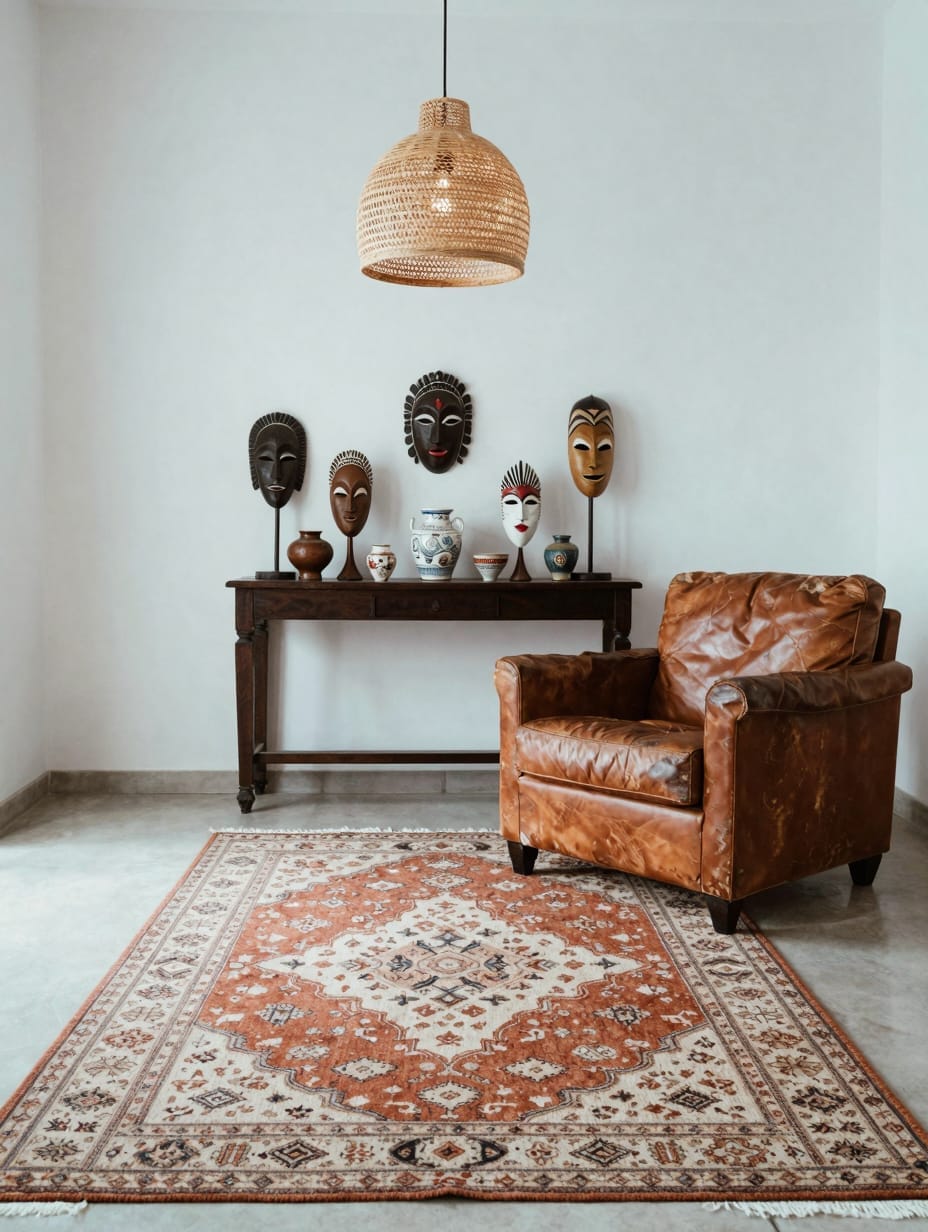
I distinctly remember the vibrant energy a friend’s Moroccan rug brought to her sunny living room. Its rich terracotta and cream patterns instantly grounded the space, sitting proudly beneath a worn leather armchair. Behind it, a dark wood console showcased a fascinating assortment of tribal masks and ceramics, bathed in the soft glow from a woven pendant light.
This method builds layers of personal history. Integrating items from different cultures tells a unique story, giving your space a soulful, lived-in depth that feels so intentional. It’s about letting those treasured travel memories become part of your daily scenery.
How to Get This Look
- Anchor a seating area with a substantial rug, at least 8×10 feet, to define the zone.
- Select a Hand-Knotted Wool Rug, $300-$1500 USD, for durability and genuine texture.
- Pair with earthy tones like amber or sage to maintain a warm feel.
- Budget alternative: Printed area rug with similar motifs, $50-$150.
2. Mix Eras with Confidence
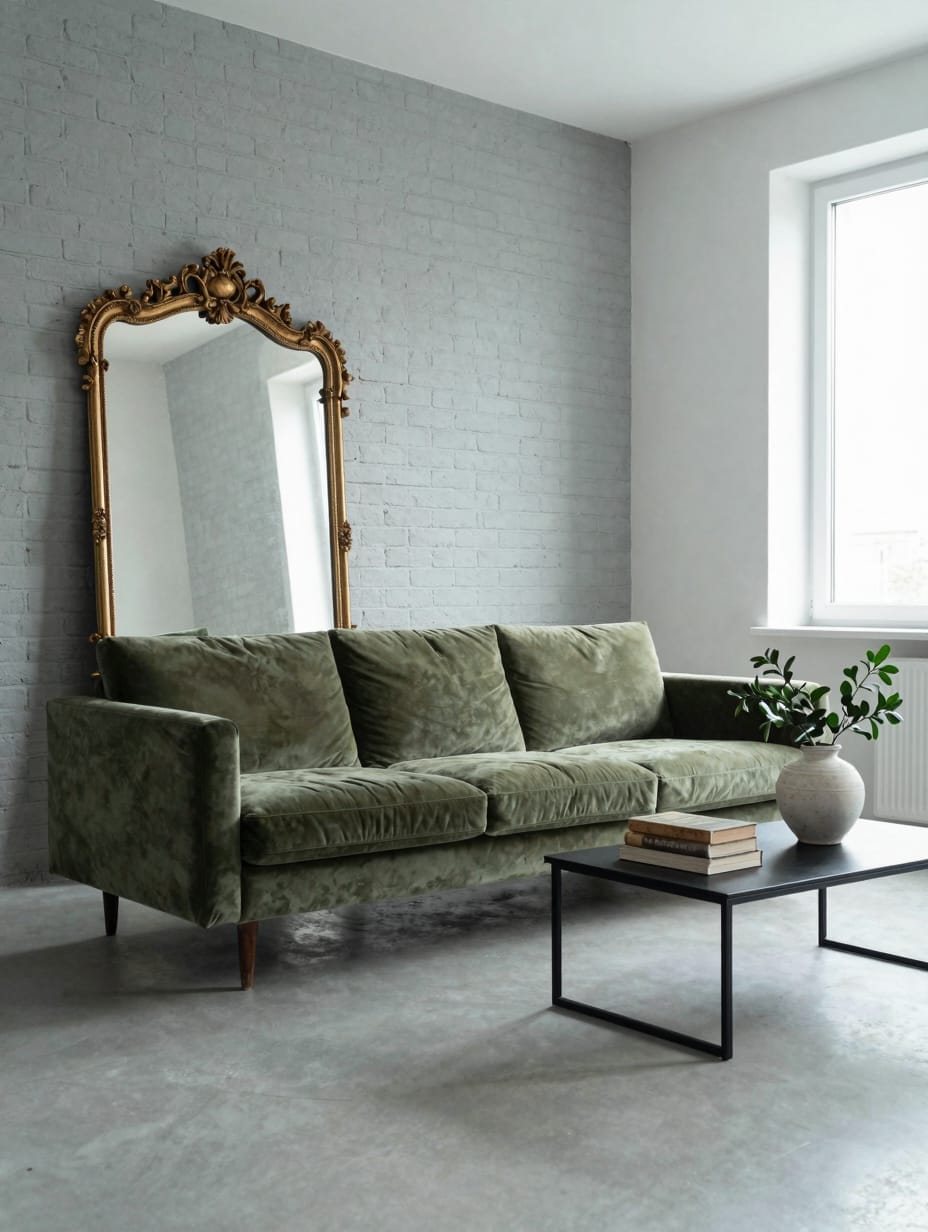
I once walked into a designer showroom where a sleek, olive-green mid-century sofa looked completely at home beside a grand, antique French gilded mirror. This bold contrast against a painted brick wall felt so intentional. A minimalist black metal coffee table held contemporary ceramics, proving that disparate styles can absolutely coexist.
Combining furniture from different periods creates a dynamic and visually interesting narrative. It showcases diverse design sensibilities, but you have to commit to the look; timid attempts can just feel indecisive.
How to Get This Look
- Position a prominent antique piece, like a mirror, leaning against a wall for relaxed elegance.
- Invest in a Mid-Century Modern Sofa, $800-$2500 USD, prioritizing comfort and clean lines.
- Keep accessories like throws or pillows in neutral tones to balance the varied styles.
- Budget alternative: Thrifty vintage mirror with a spray-painted gold finish, $30-$80.
3. Gallery Walls That Tell Your Story
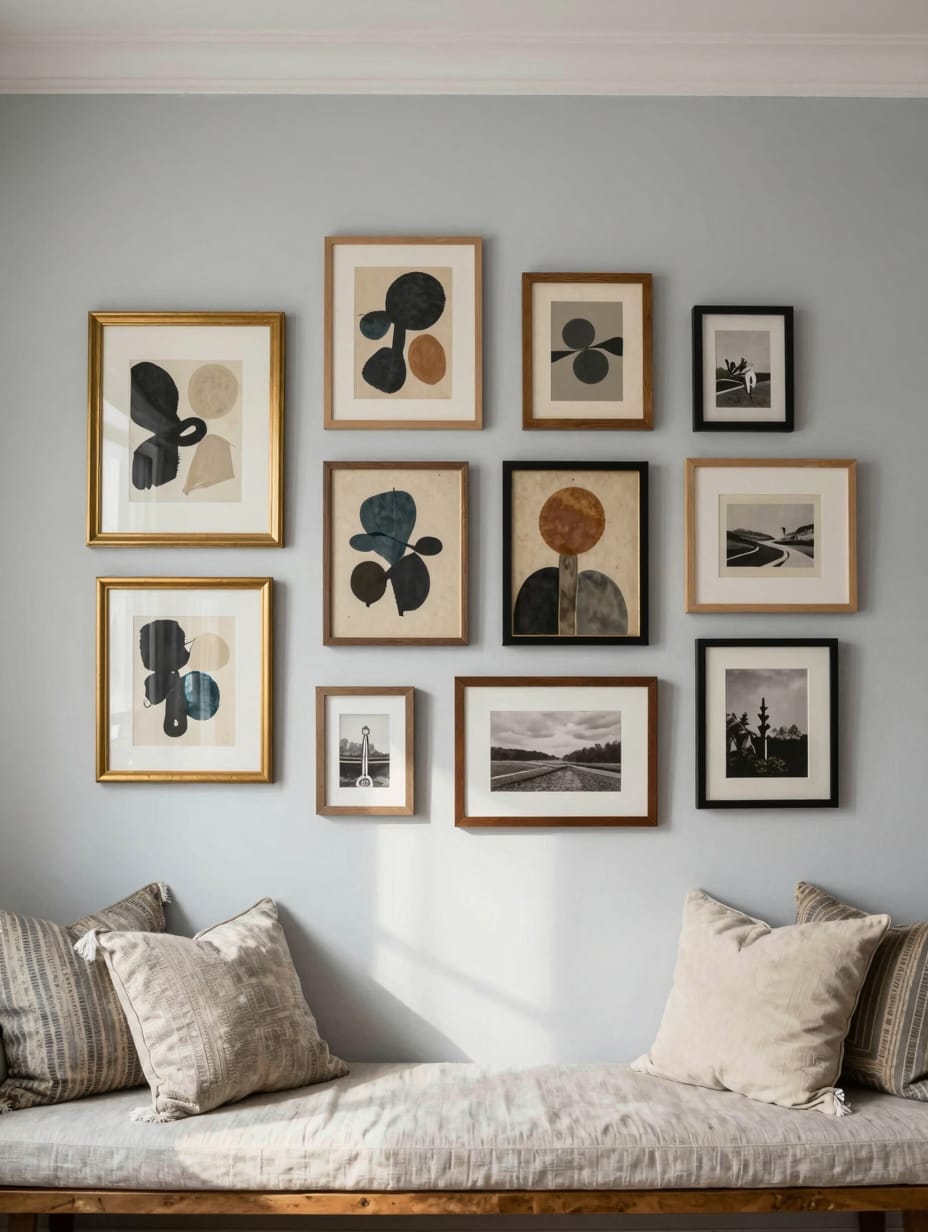
A gallery wall, for me, is more than just art; it’s a visual diary. I’ve seen vibrant, curated collections spanning pale gray walls, mixing mismatched frames – gold, natural wood, black – holding abstract art, vintage prints, and candid family photos. Below, a linen bench adorned with patterned pillows offered a quiet spot for contemplation.
Curating a collection of art and personal mementos expresses your personality like little else. It brings character to a room, inviting conversation, though aligning frames perfectly takes real patience. My own first attempt was surprisingly wonky.
How to Get This Look
- Arrange frames on the floor first to visualize your layout before hanging, spacing them 2-3 inches apart.
- Source Assorted Picture Frames, $10-$50 USD each, looking for varied textures and finishes.
- Integrate personal photographs alongside abstract prints for a deeply personal touch.
- Budget alternative: Digital art prints you can print at home, often $5-$20 for a set.
4. Play with Unexpected Color Pairings
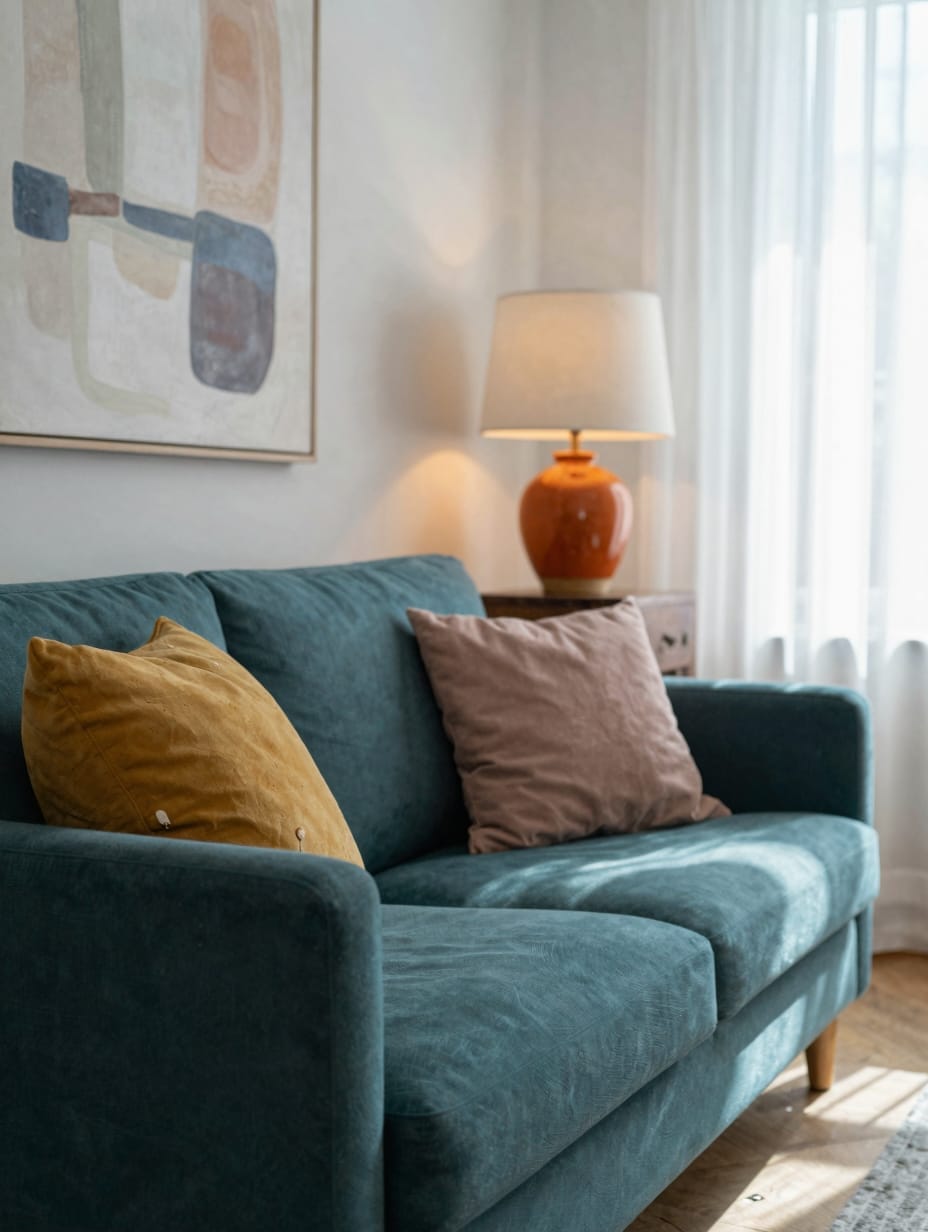
I tried a deep teal sofa in my own living room once, unsure how it would pair with mustard yellow and blush pink cushions. Above it, a large abstract painting incorporated these exact hues, pulling the scheme together. A rustic wooden side table held a vibrant orange ceramic lamp, casting a wonderfully warm glow that surprised me.
Introducing surprising color combinations infuses energy and individuality into your decor. It’s a bold move, but the reward is a truly unique space. Just be aware that some fabrics show dust more readily in bright, unusual colors.
How to Get This Look
- Select a main sofa color, perhaps a jewel tone, to ground your palette, like my teal.
- Add accent cushions, $25-$75 USD each, in two contrasting but complementary hues.
- Choose an abstract piece of art that subtly ties these chosen colors together.
- Budget alternative: Dye existing cushion covers for a fresh color pop, $5-$15 per dye kit.
5. Integrate Vintage Eclectic Finds
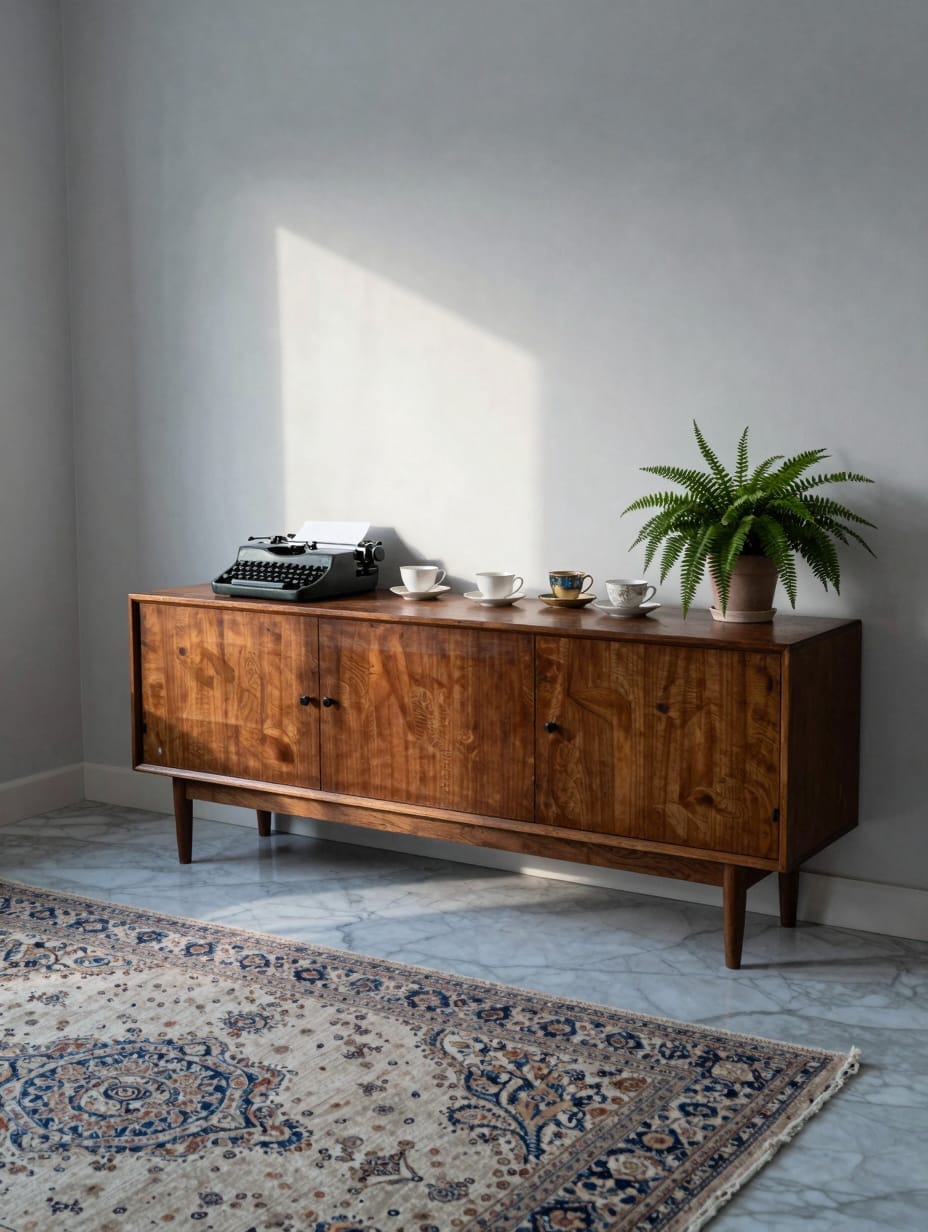
Full disclosure: I scoured antique fairs for months before finding my dark wood credenza. It needed some love, but now it’s a centerpiece, holding an old typewriter, unique teacups collected over years, and a small fern. Its surface still bears a faint ring from a long-lost mug, adding to its story. An antique Persian rug with faded jewel tones anchors the entire space.
Seeking out pre-loved items that resonate with you contributes to a truly collected feel. Their unique imperfections and history deepen the space’s character, though sometimes restoration costs can add up faster than you expect.
How to Get This Look
- Source a vintage credenza at least 50 inches wide to serve as a substantial display surface.
- Look for a Hand-Knotted Persian Rug, $200-$1000 USD, preferring distressed patterns.
- Adorn surfaces with cherished personal collections, giving them pride of place.
- Budget alternative: Flea market console table painted in a deep shade, $50-$100.
6. Layer Textures for Depth
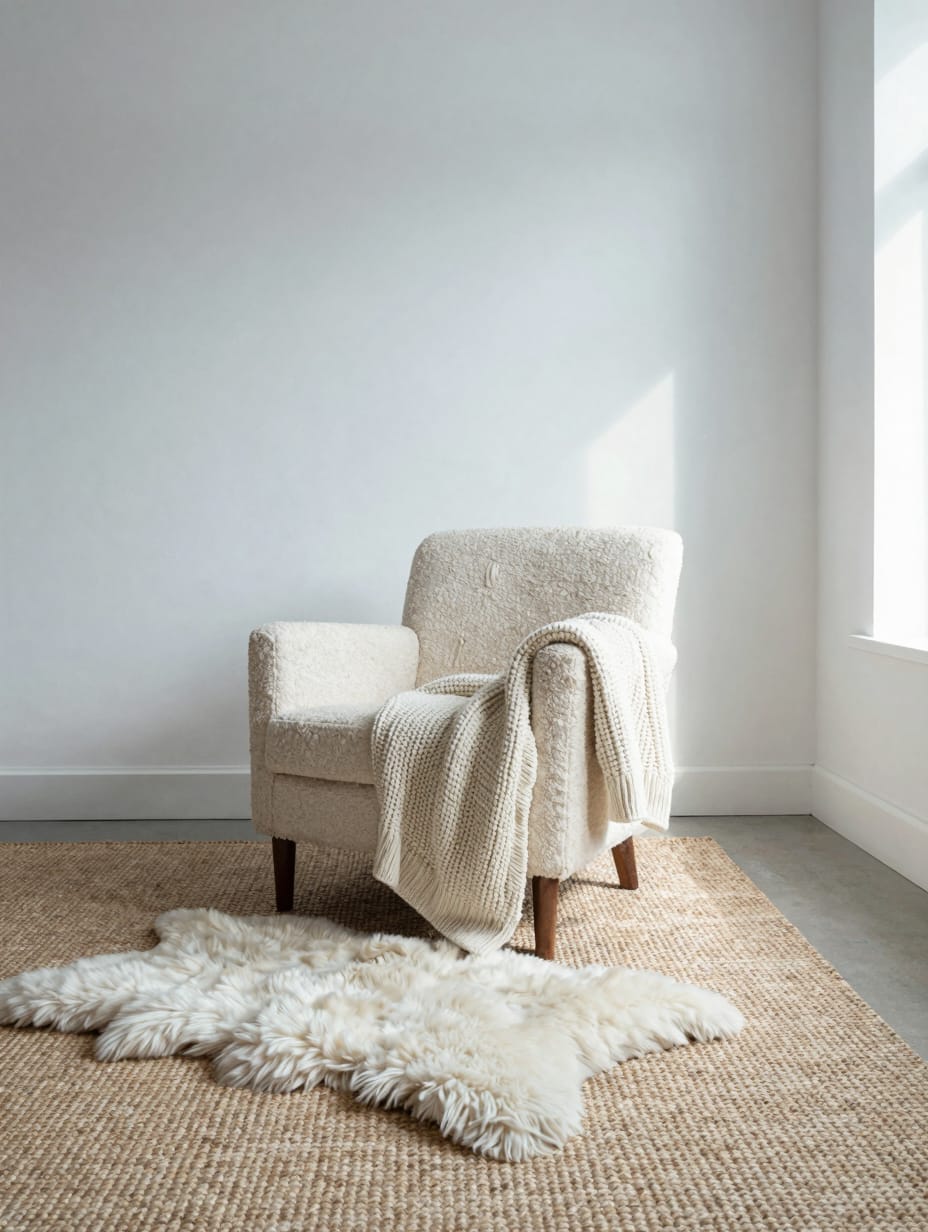
I recall seeing a living room where an inviting boucle armchair was draped with a chunky knit throw. A jute rug covered the floor, with a soft faux sheepskin layered on top near the armchair. Sunlight emphasized the varied textures, creating a sense of comforting warmth.
Building visual interest by combining various materials like wool, linen, wood, and metal creates an inviting atmosphere. It appeals to the senses, making a room feel richer. However, multiple textures can attract more dust, requiring frequent upkeep.
How to Get This Look
- Start with a base rug, like jute, that is large enough to extend under most furniture legs.
- Introduce a Boucle Armchair, $350-$1200 USD, for its characteristic nubbly finish.
- Drape a chunky knit throw over seating for an instant textural upgrade.
- Budget alternative: Faux sheepskin rug, $20-$50, for an immediate softness underfoot.
7. Create Cozy Reading Nooks
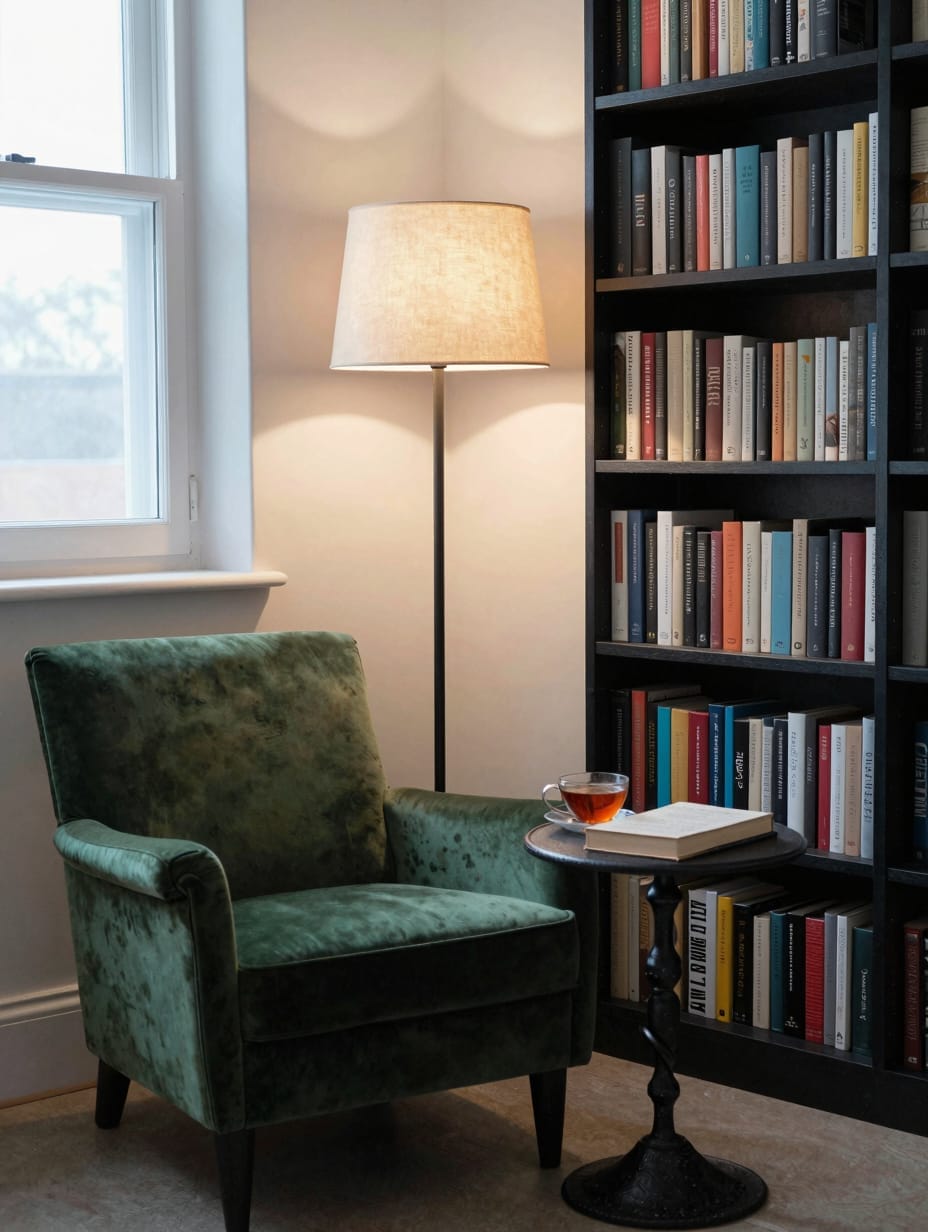
I admire how a former colleague designed a secluded reading nook, bathed in warm light from a floor lamp with a linen shade. A plush velvet slipper chair in forest green was tucked beside a tall, overflowing bookshelf. A small round side table held a hot cup of tea, inviting quiet moments.
Designing a dedicated spot for relaxation and reflection fosters tranquility. It provides a personal escape, though selecting a chair that truly cradles you might take a few tries in different stores.
How to Get This Look
- Position a comfortable armchair next to a window or a tall bookshelf for prime reading light.
- Choose a Velvet Slipper Chair, $250-$800 USD, for luxurious comfort without arms.
- Add a soft, low-light lamp with a dimmer switch for adjustable ambiance.
- Budget alternative: An oversized floor pillow and a thrifted side table, $40-$100.
8. Statement Lighting as Art
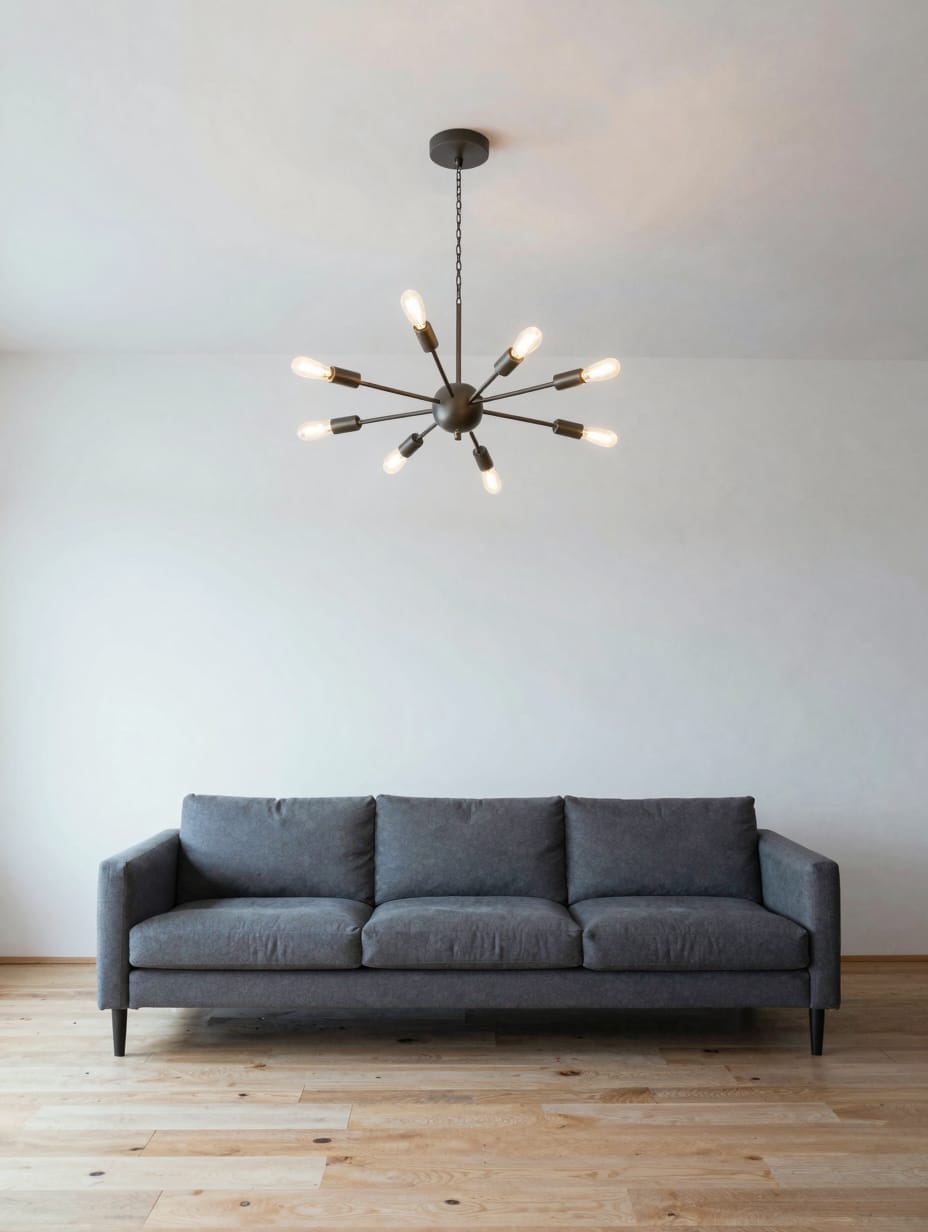
I recall seeing a striking Sputnik chandelier with multiple arms and exposed bulbs hang centrally in a modern living room. It acted as a sculptural focal point against a high ceiling. Below, a sleek, low-slung sofa in charcoal gray maintained a sophisticated balance, its contours softened by the unique fixture’s glow.
Choosing unique lighting fixtures that illuminate and serve as captivating art pieces enhances a room’s character. It definitely provides a “wow” factor, but installation can be tricky, especially with older wiring.
How to Get This Look
- Replace a standard ceiling fixture with a bold chandelier, ensuring it’s centered over your main seating area.
- Opt for a Sputnik Chandelier, $150-$700 USD, considering your ceiling height and room scale.
- Select bulbs with a warm color temperature (2700K-3000K) for a cozy glow.
- Budget alternative: A large, dramatic paper lantern pendant, $20-$50, for soft, diffused light.
9. Botanical Brilliance
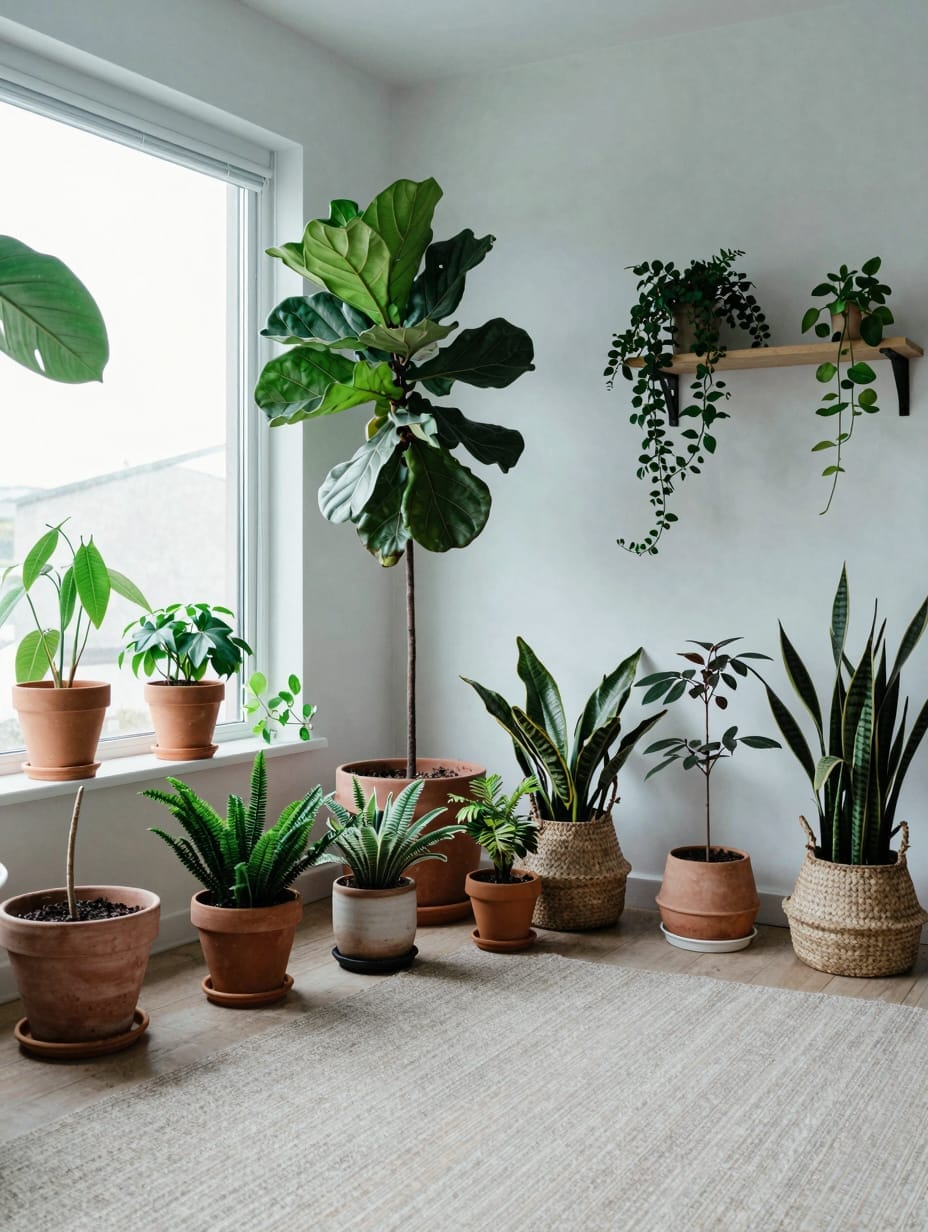
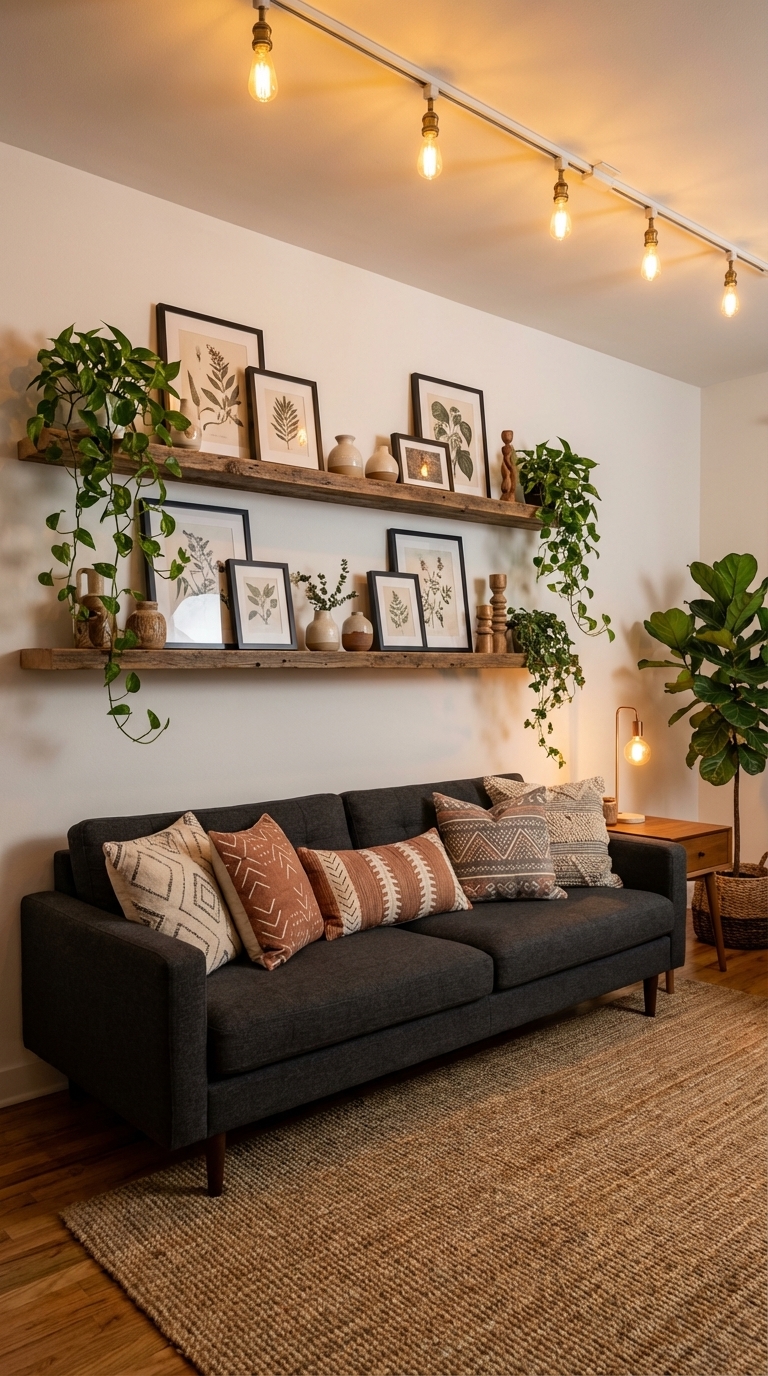
My sister’s living room is a testament to botanical brilliance, featuring an abundance of lush indoor plants in various pots. A large fiddle leaf fig tree stands tall next to a window, while smaller trailing plants cascade from shelves. This vibrant greenery brings life, freshness, and organic texture to her entire space.
Introducing a variety of greenery purifies the air and adds organic texture, creating a lively ambiance. It connects you to nature indoors, though keeping all those plants thriving requires consistent attention, which can be a commitment.
How to Get This Look
- Place a tall plant, like a fiddle leaf fig, near a sunny window to maximize its impact and growth.
- Purchase Assorted Ceramic Planters, $15-$60 USD each, in varying sizes and finishes for visual interest.
- Integrate hanging plants or trailing varieties on shelves to create vertical layers of green.
- Budget alternative: Propagate cuttings from existing plants or buy small, inexpensive succulents, $5-$10 each.
10. Pattern Play Perfection
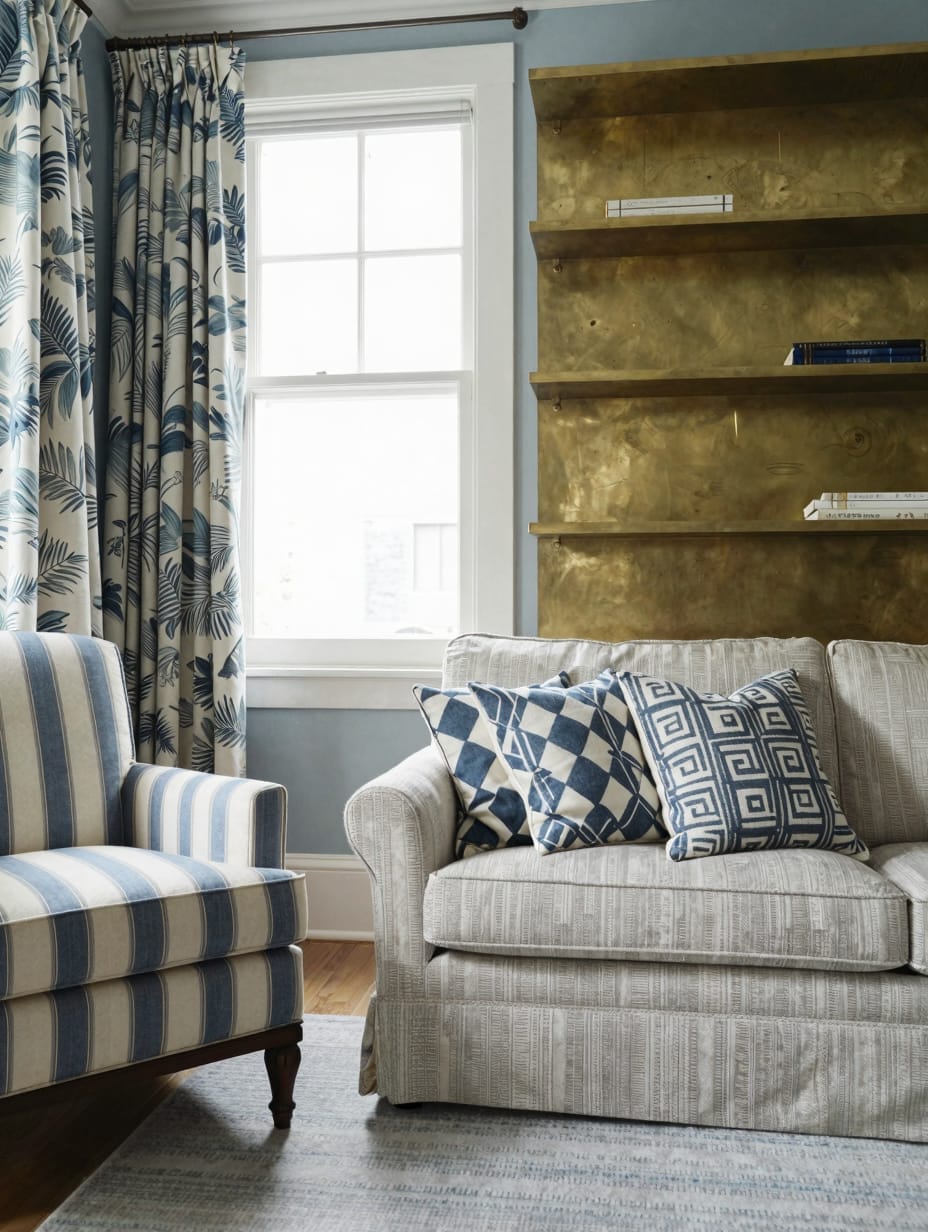
I remember trying to combine a striped armchair with botanical-print curtains in my first apartment. Initially, I worried it would clash, but adding geometric throw pillows on a solid-colored sofa unified the patterns. The trick, I found, was a consistent color palette of blues and creams, which created a cohesive yet dynamic look.
Don’t shy away from mixing patterns; choosing complementary colors or varying the scale ensures they work together. It creates a visually rich environment, but you need to avoid having too many large, bold patterns competing for attention.
How to Get This Look
- Select one dominant pattern for a large element, like curtains or an accent rug.
- Choose a Patterned Throw Pillow set, $30-$80 USD, in a smaller scale but complementary colors.
- Vary patterns using stripes, florals, and geometrics, but stick to a shared color family.
- Budget alternative: Use fabric remnants or scarves as accent pieces, often $10-$30 per yard/piece.
11. Curate Unique Vignettes
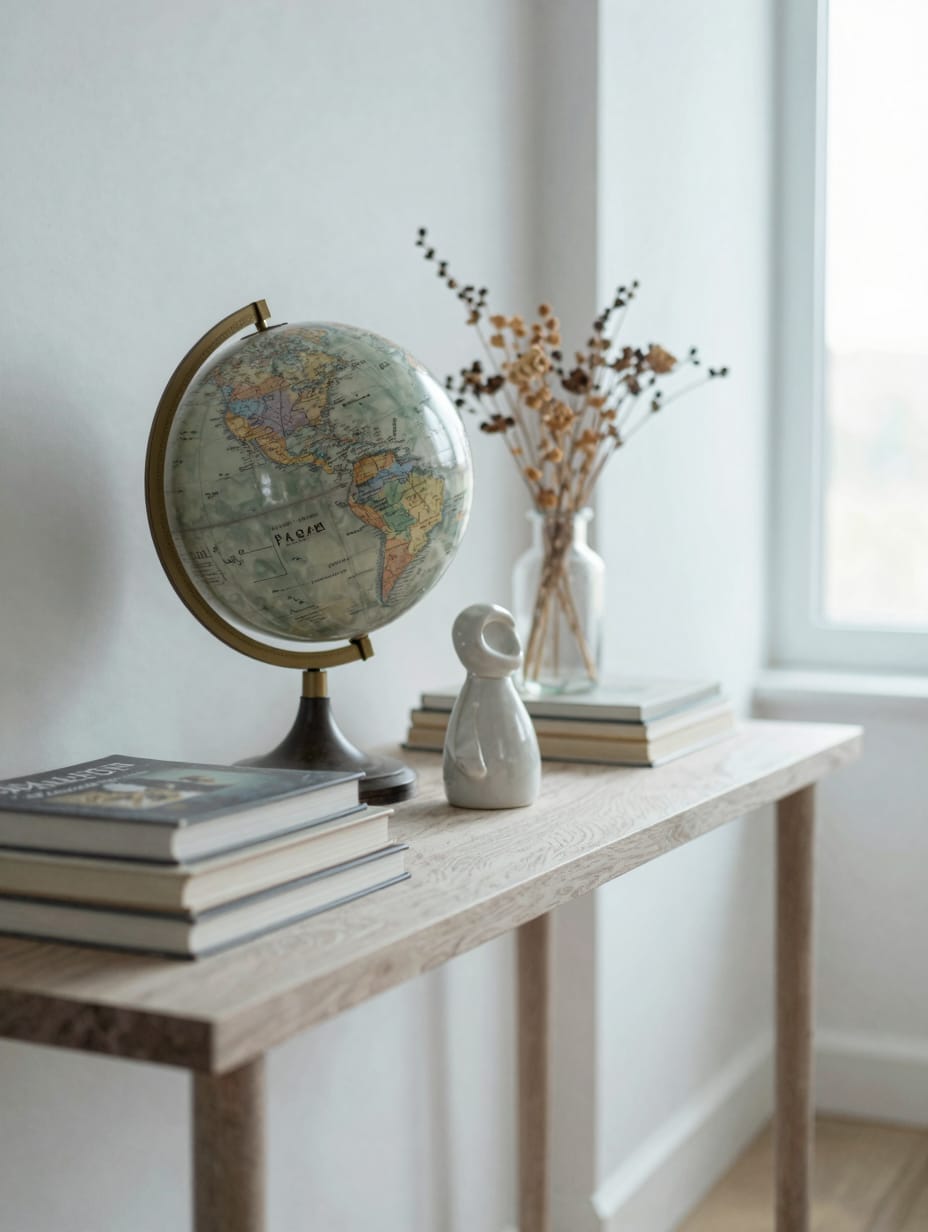
I often advise clients to think of surfaces as mini-stages. I saw this done beautifully on a console table, featuring a vintage globe, a stack of art books, a small ceramic sculpture, and a delicate bouquet of dried flowers. Soft light from a nearby window highlighted the textures and individual stories of each piece.
Arranging small collections of meaningful objects creates captivating mini-displays. They reflect your personal journey, adding intimate details, though resisting the urge to over-accessorize is a common hurdle.
How to Get This Look
- Group objects in odd numbers (e.g., three or five) for a more balanced and visually pleasing arrangement.
- Find a Decorative Ceramic Sculpture, $40-$150 USD, with an interesting shape or texture.
- Layer heights by using books or small pedestals to elevate certain items.
- Budget alternative: Collect unique stones, shells, or postcards from travels, costing virtually nothing.
12. Industrial Touches for Edge
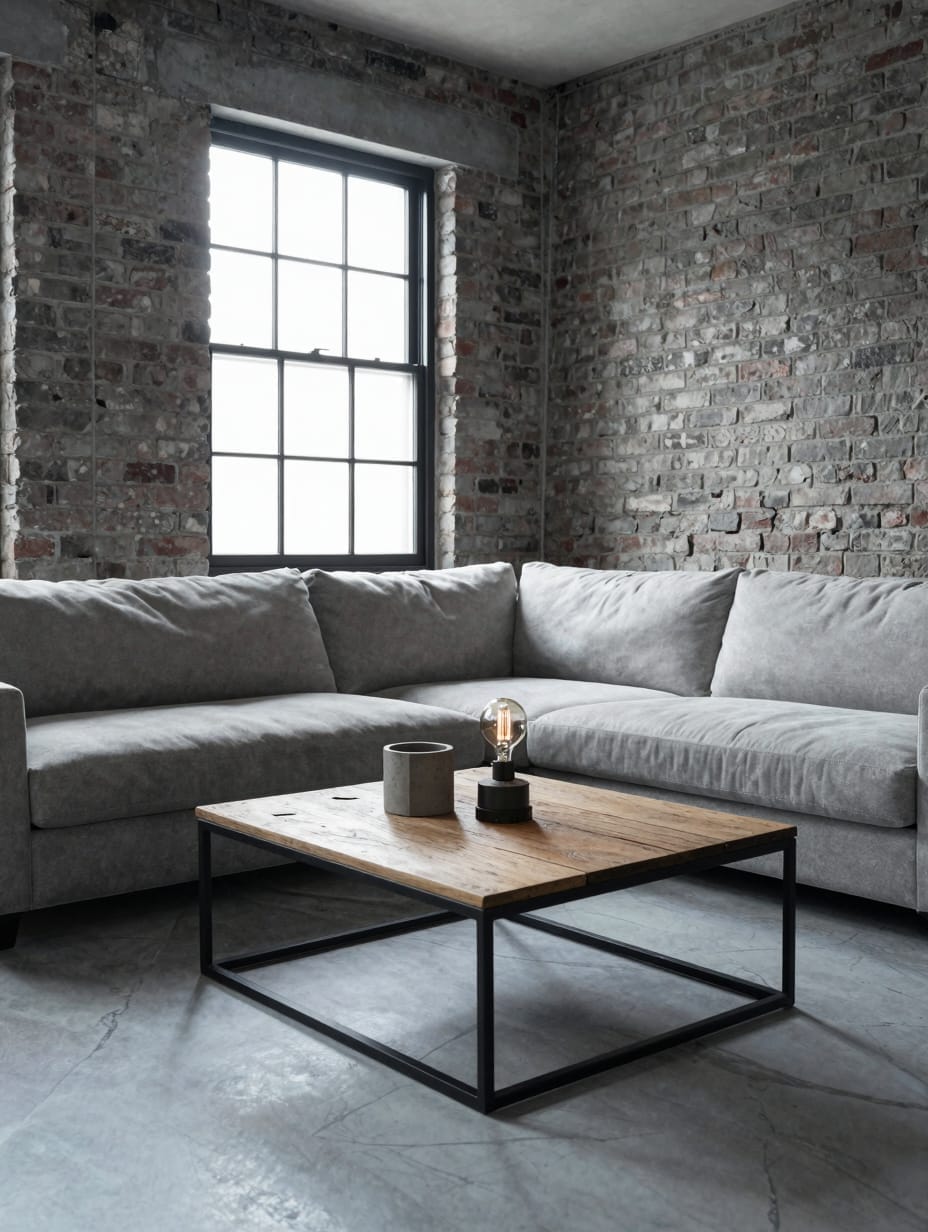
A friend’s contemporary living room featured exposed brick walls, softened by a plush, modern sectional sofa. A black metal coffee table with a reclaimed wood top sat centrally, adorned with industrial-style decor. This blend of raw and refined elements felt distinctly current and sophisticated.
Incorporating elements like metal accents, exposed materials, or reclaimed wood adds a touch of urban sophistication. It provides a raw charm, but too many hard, cold surfaces can make a room feel unwelcoming without sufficient textile balance.
How to Get This Look
- Choose a coffee table featuring black metal and a natural wood top, measuring at least 40 inches long.
- Install an Edison Bulb Lamp, $30-$100 USD, for a warm, vintage-industrial glow.
- Pair robust materials with soft textiles, like a thick rug or velvet cushions.
- Budget alternative: DIY concrete planter by casting cement in old plastic containers, $10-$20 for materials.
13. Whimsical Wall Decor
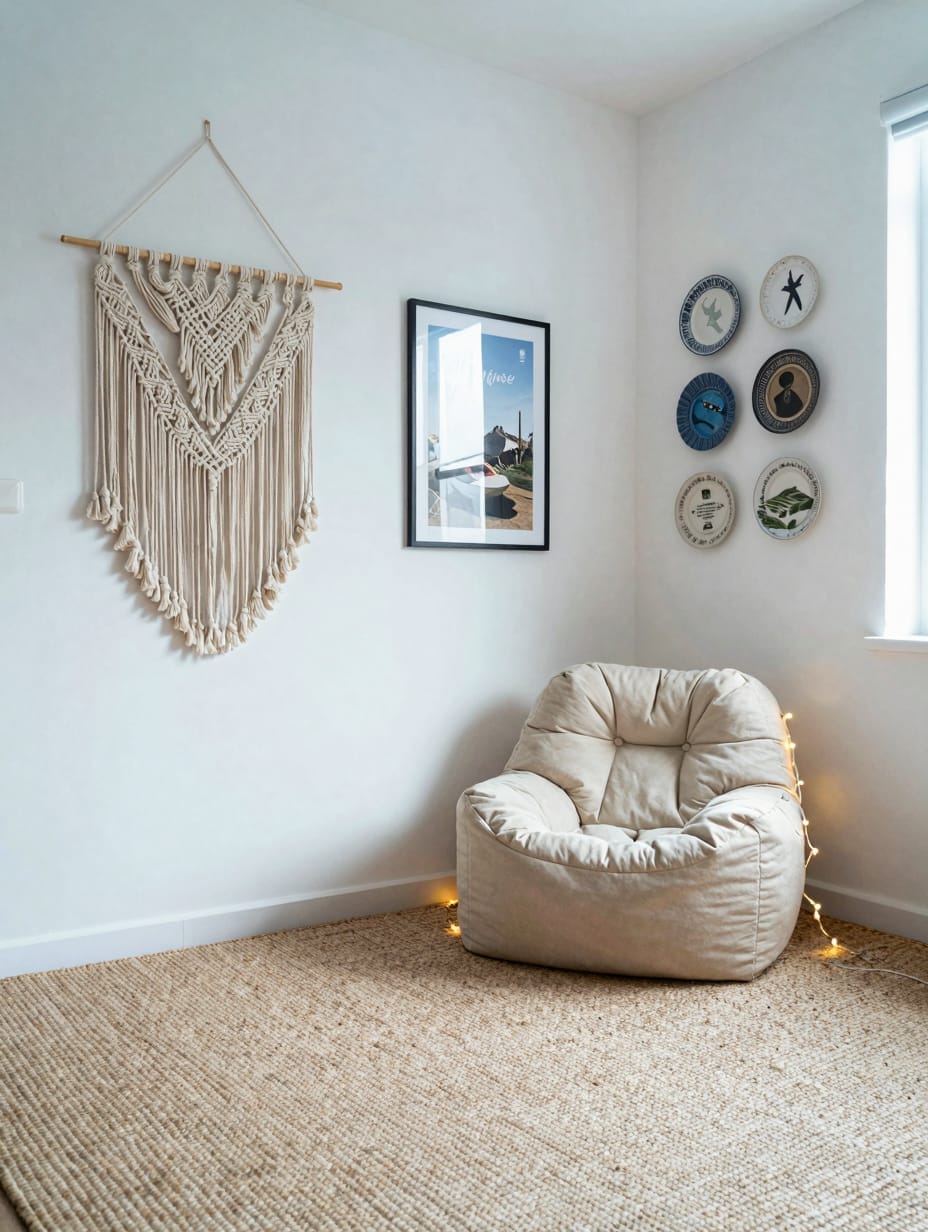
I love seeing how a stylist once used a mix of unconventional wall art in a client’s playful living room. A large macrame hanging next to a framed travel poster and a collection of decorative plates created such a personal story. A cozy papasan chair invited relaxation, bathed in gentle light from fairy lights, making the space feel dreamy.
Expressing your fun side by displaying an assortment of unique wall decorations brings joy and a sense of humor. It truly makes the environment yours, though too many small, unrelated items can quickly become visually overwhelming.
How to Get This Look
- Hang a large macrame piece, at least 30 inches wide, as a soft focal point on a blank wall.
- Display a collection of Decorative Wall Plates, $5-$30 USD each, using invisible plate hangers.
- Mix framed art prints with textile art for varied textures and visual interest.
- Budget alternative: Print enlarged personal photos or free vintage posters, $5-$15 for printing.
14. Maximalist Comfort with Purpose
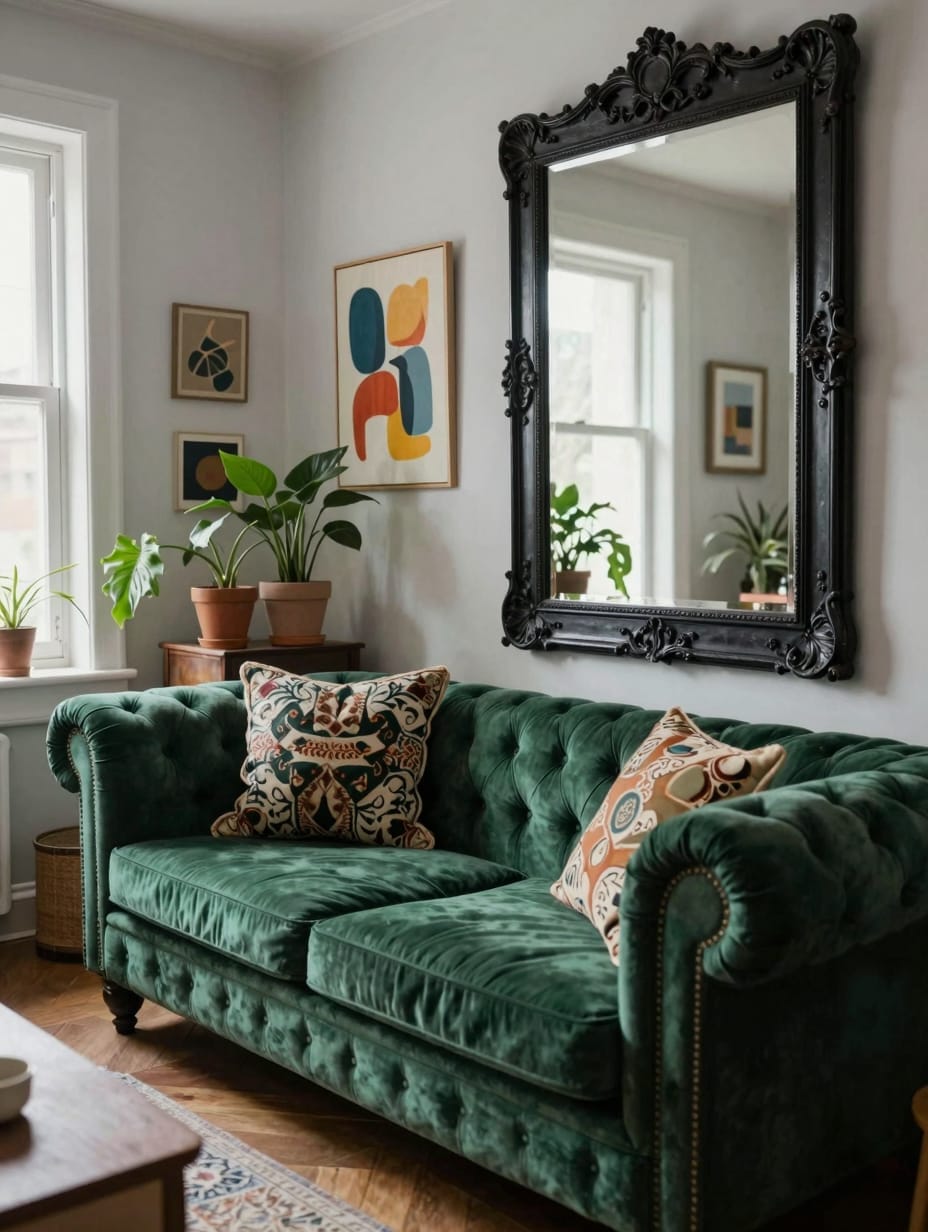
A designer I follow demonstrated this beautifully in a richly decorated living room. A deep-buttoned Chesterfield sofa in emerald green was layered with velvet and embroidered cushions. A large, ornate mirror reflected a collection of potted plants and colorful abstract art, creating opulent coziness and intentional abundance.
Embracing an abundance of textures, patterns, and treasured items, ensuring each piece holds significance, prevents a cluttered appearance. It creates luxurious depth, but you must be ruthless in editing; everything needs to earn its place.
How to Get This Look
- Choose a Statement Sofa, like a Chesterfield, that is at least 80 inches long, in a rich color.
- Layer Velvet Embroidered Cushions, $35-$90 USD each, in varied shapes and sizes.
- Incorporate an ornate, large-scale mirror to amplify light and visually expand the room.
- Budget alternative: Thrifty furniture reupholstered in a bold fabric, $100-$300 for fabric and labor.
15. Sculptural Furniture Statements
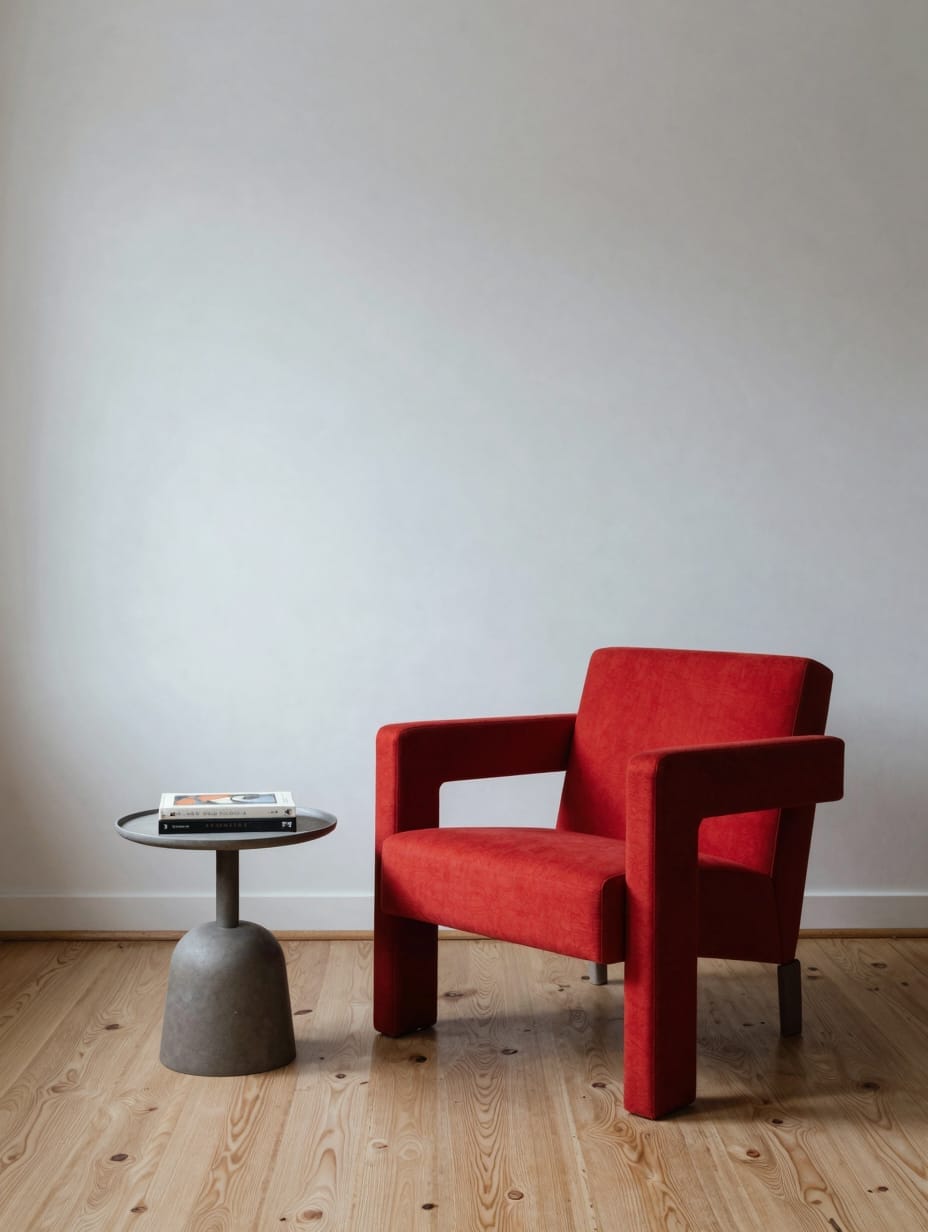
I knew I wanted one really striking piece in my own small living room. I found a sculptural armchair in a bold geometric shape and a vibrant primary color. It stands out against the neutral backdrop, complemented by a simple round pedestal side table. Under focused spotlighting, it asserts its artistic presence and immediately draws the eye.
Choosing one or two pieces of furniture that are art forms themselves anchors the space. It provides a distinctive visual anchor, making a bold design statement, though sometimes these unique pieces aren’t the most comfortable for long-term lounging.
How to Get This Look
- Select an armchair with an unconventional silhouette or a strong geometric form, placing it in a prominent spot.
- Invest in a Sculptural Armchair, $400-$1800 USD, prioritizing unique design over plushness.
- Keep surrounding furniture and decor minimal to let the sculptural piece truly shine.
- Budget alternative: DIY a plain chair with bold, contrasting paint patterns, $20-$50 for paint.
Loved these ideas? Save this post to Pinterest so you can come back to it later.
Simple Ways to Bring These Ideas to Life in Your Home
- Start small: introduce one unique lamp or a collection of cushions.
- Shop second-hand: flea markets and antique shops are goldmines for characterful pieces.
- Create balance: contrast bold pieces with neutral walls or foundational furniture.
- Trust your gut: if a piece speaks to you, it belongs in your collected space.
- Rearrange often: play with layouts and vignettes to discover new combinations.
Frequently Asked Questions
How do I start building an eclectic living room?
Begin with a core piece, like a sofa, then gradually introduce elements that reflect your interests. Focus on one new layer at a time—a rug, then art, then accent pieces. Don’t rush; a truly collected space takes time to evolve and feels more genuine that way.
What’s the difference between eclectic and bohemian?
Eclectic design blends various styles with purposeful curation, often embracing a broader range of periods. Bohemian, while also collected, usually leans heavily into natural materials, global textiles, and a more relaxed, free-spirited aesthetic. Eclectic can be bohemian, but bohemian isn’t always eclectic.
How do I prevent an eclectic room from looking messy?
The key is intentionality and negative space. Group similar items, use a consistent color palette as a thread, and leave some surfaces empty. Edit ruthlessly; if an item doesn’t bring joy or serve a purpose, it doesn’t belong in your curated collection. It’s about ‘collected,’ not ‘cluttered.’
Can eclectic work in a small living room?
Absolutely! In a small space, eclectic design works wonders by adding depth without bulk. Focus on smaller, impactful pieces like a statement armchair, unique lighting, and a vibrant gallery wall. Use vertical space for storage and display to maximize every inch, making it feel expansive and interesting.
Common Myths About Eclectic Living Room
Myth: Eclectic means anything goes.
While it embraces diverse styles, eclectic design is far from random. It requires careful curation, a unifying element (like a consistent color scheme or material), and a keen eye for balance. Throwing random items together results in chaos, not the thoughtful blend you’re aiming for.
Myth: You need expensive designer pieces.
This is simply untrue. Many of the most charming eclectic spaces are built from thrift store finds, flea market treasures, and DIY projects. The value comes from the story and character of the pieces, not their price tag. I’ve found true gems for under $50.
Myth: It always looks cluttered.
A well-executed eclectic living room often feels cozy and rich, not cluttered. This is achieved through thoughtful editing and strategic placement. Incorporate negative space and ensure each item contributes to the overall narrative, rather than just filling a void. Less is often more, even in abundance.
<details summary=”Myth: It’s just for maximalists.“>
While some eclectic spaces are maximalist, the style is adaptable. You can create a minimalist eclectic look by selecting fewer, more impactful pieces from diverse origins, focusing on clean lines and natural textures. It’s about blending unique elements, not necessarily filling every surface.
Eclectic Living Room: Final Thoughts
Crafting a unique living space through eclectic living room ideas is a journey of self-expression. Embrace the unexpected, mix old with new, and let your personality shine through every thoughtful choice. Your home should be a reflection of your adventures and tastes, creating a truly inviting atmosphere. Save this post to Pinterest 📌 and start building the apartment you actually want to come home to.