12 Small Space Decor Ideas For A Beautifully Maximized And Surprisingly Spacious Feeling Home
Stepping into a small home, I used to feel a bit… constricted. But I’ve learned that truly great design can make even the coziest corners sing. With thoughtful choices, you can transform tight spaces into surprisingly spacious, inviting havens. These small space decor ideas are all about maximizing impact, not square footage.
Why These Small Space Decor Ideas Are Worth Trying
Every inch counts when square footage is tight. These small space decor ideas aren’t just about maximizing utility; they’re about cultivating a feeling of expansive calm.
Table of Contents
1. Embrace Verticality: Go Up, Not Out
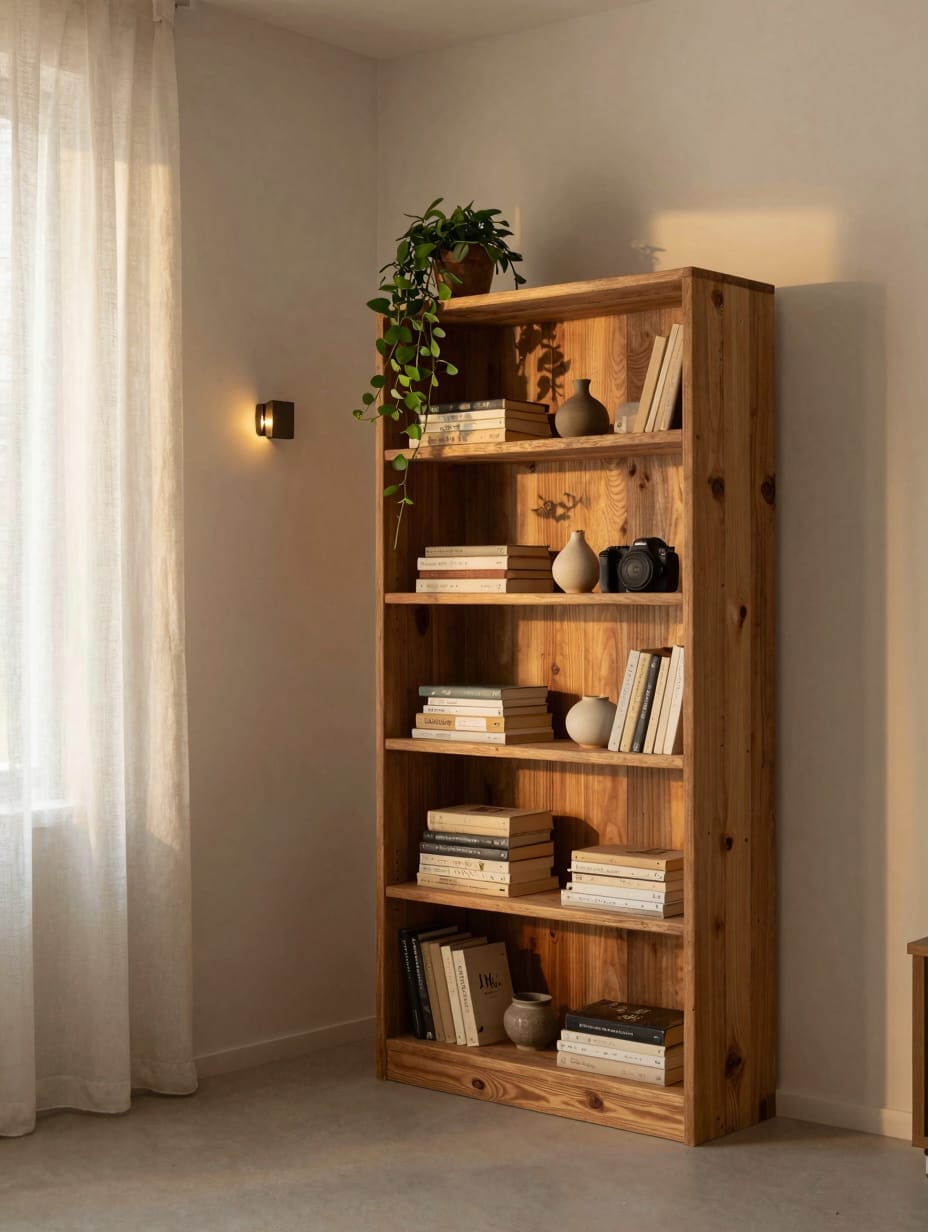
I saw this done beautifully in a friend’s cozy living room, where a tall, slim bookcase, crafted from light-colored reclaimed wood, reached toward the ceiling. It was adorned with potted trailing plants, stacks of books, and a few ceramic decorative pieces, drawing my eye upward.
Warm ambient light from a discreet wall sconce highlighted the natural textures and the soft glow. It allowed her to display personality without eating up precious floor space—a constant battle in smaller homes.
How to Get This Look
- Install a narrow bookshelf (12-14 inches deep) against a wall in your living area to expand storage.
- Opt for a Slim Ladder Bookshelf, $80-$250 USD, chosen for its open design to avoid visual bulk.
- Style with varied heights of books, small framed art, and a cascading pothos for organic texture.
- DIY painted fruit crates, $5-$15 USD each, stacked vertically for a quirky, budget-friendly display.
2. Clever Conversions: Furniture That Does Double Duty
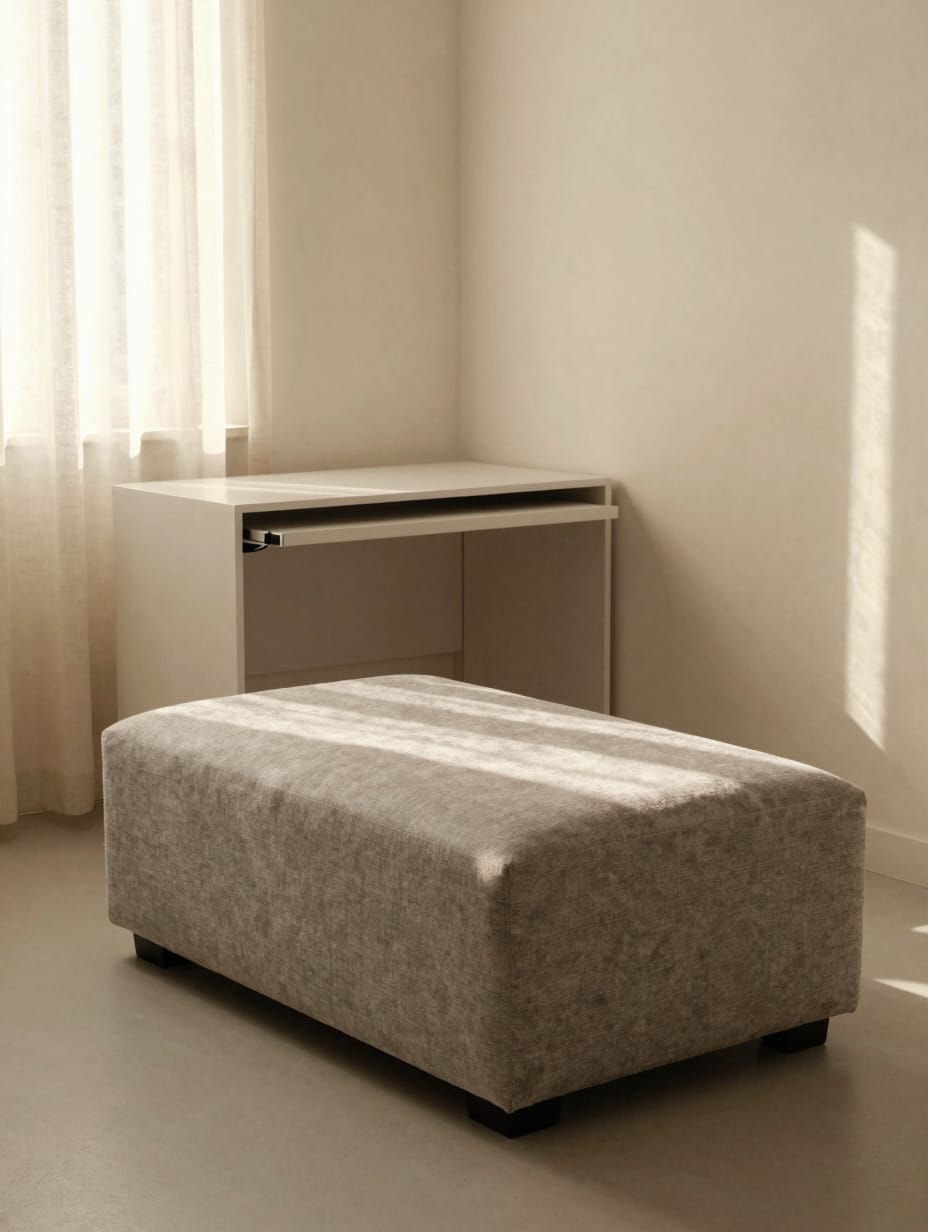
My first studio apartment felt truly tiny until I adopted a few clever conversion pieces. I remember how a plush, soft grey ottoman with hidden storage sat centrally, serving as both a coffee table and extra seating when friends visited.
Nearby, a sleek, fold-down desk against the wall blended seamlessly when not in use. This strategy allows for maximum utility without requiring multiple pieces of furniture to clutter your limited footprint.
How to Get This Look
- Select a multi-purpose piece, like a storage ottoman, to serve as a coffee table in your living zone.
- Choose a Storage Ottoman Coffee Table, $100-$400 USD, prioritizing solid construction and a neutral fabric.
- Pair with a compact sofa and a slim side table to maintain open floor space.
- Repurpose a sturdy chest or old trunk, $20-$70 USD from a thrift store, as a coffee table with hidden storage.
3. Reflecting Light: The Magic of Strategic Mirrors
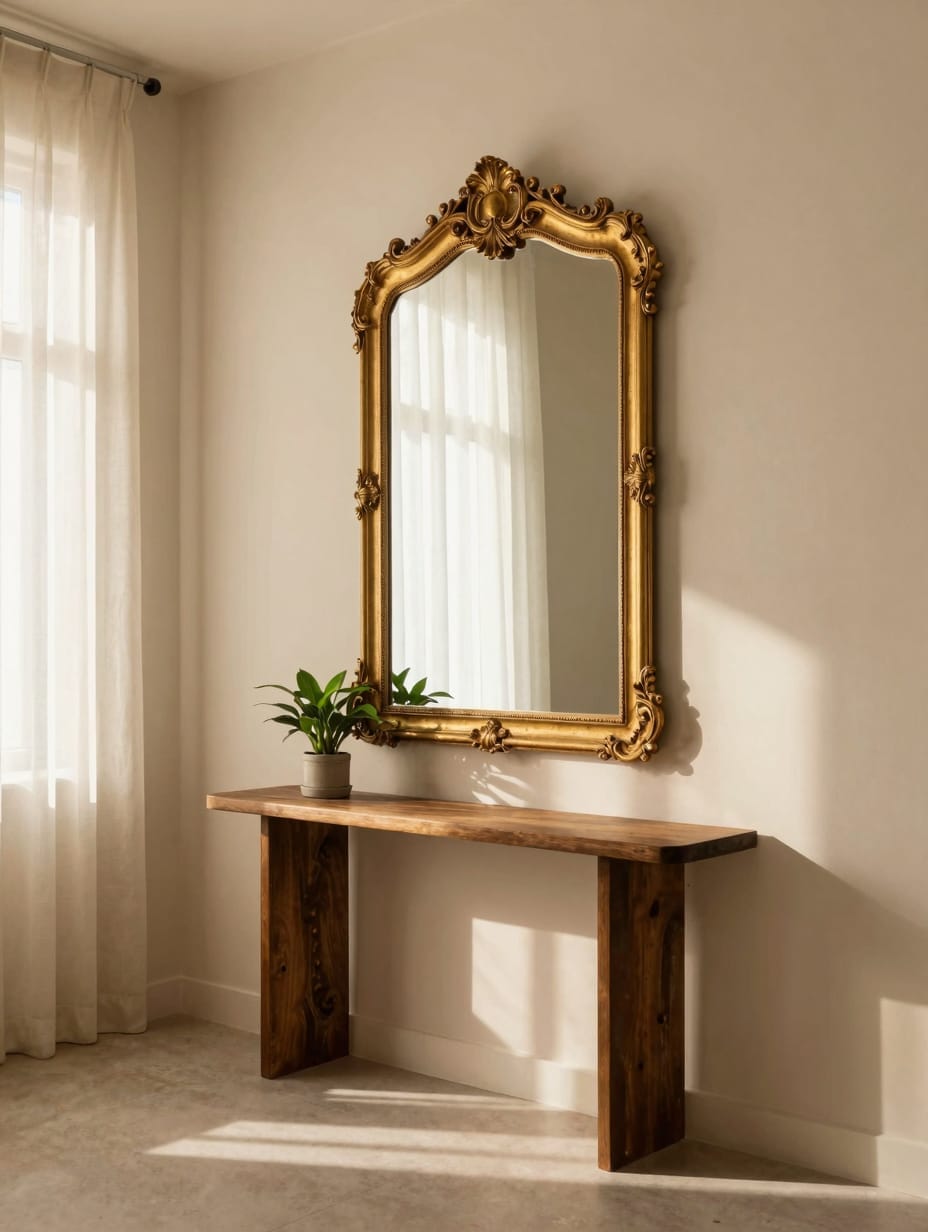
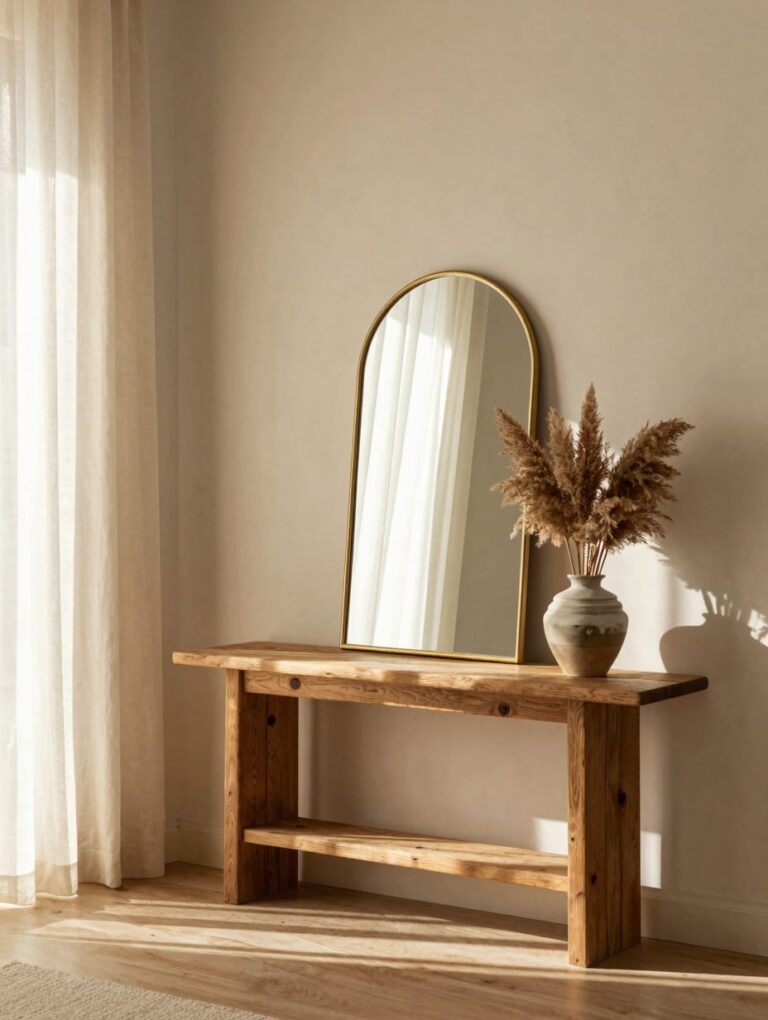
A welcoming entryway I once admired featured a large, ornate gilded mirror leaning against a soft cream-colored wall. It reflected natural light from a nearby window, making the space feel instantly larger and brighter than its actual footprint.
A small, dark wood console table beneath it held a single vibrant green plant, providing contrast. This simple trick truly pushed the walls out visually and made the narrow space feel more generous.
How to Get This Look
- Position a generously sized mirror (at least 30×40 inches) opposite a window to amplify natural light.
- Find a Large Decorative Wall Mirror, $75-$300 USD, selecting one with a unique frame to add character.
- Lean it against a wall for a casual, modern look, or hang it securely to expand a narrow hallway.
- Use a frameless door mirror, $15-$40 USD, secured to a wall with command strips for a quick brightness boost.
4. Airiness and Calm: A Gentle Wash of Light Hues
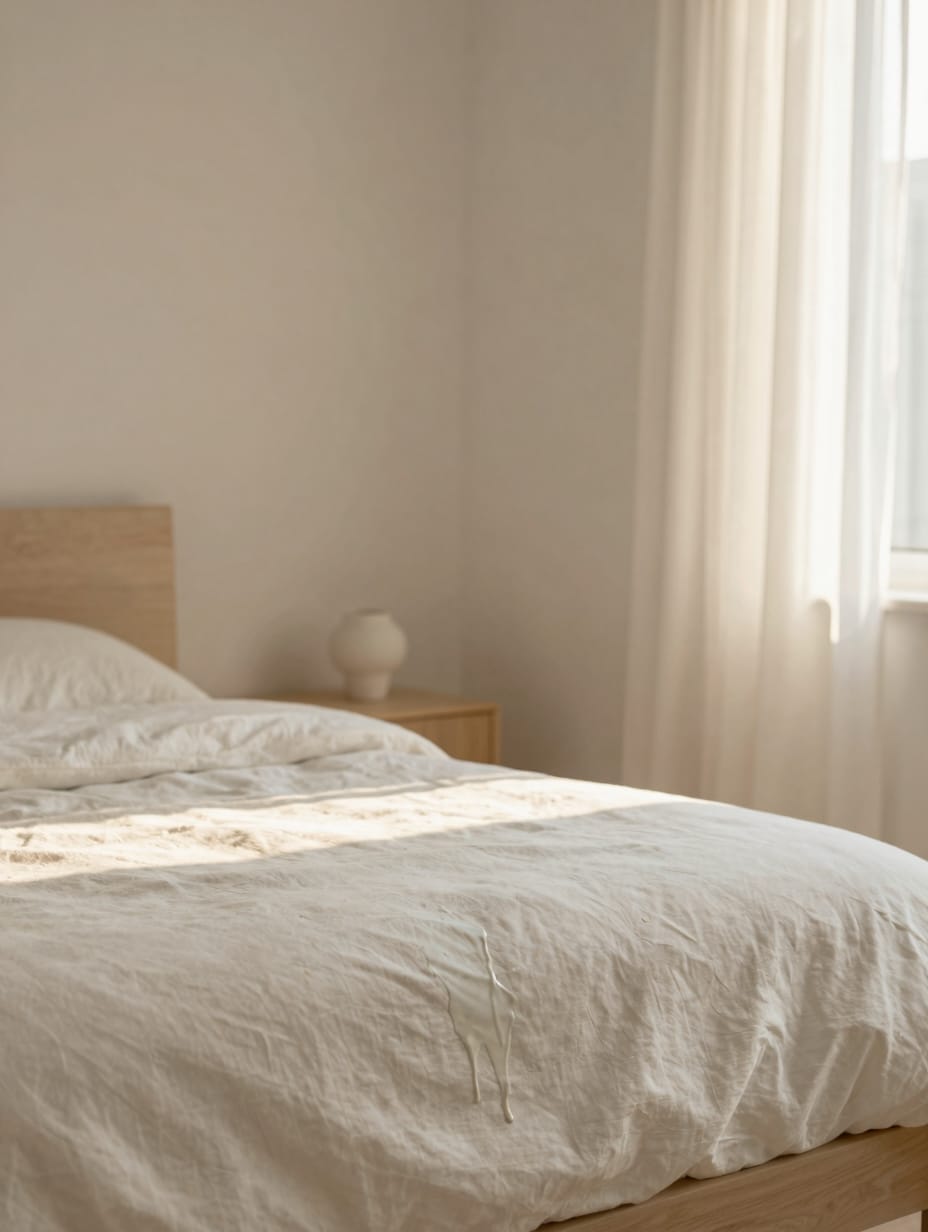
I painted my own bedroom in soft, calming off-white tones, and the difference was palpable. It’s adorned with minimalist furniture in light wood, complementing the peaceful atmosphere.
A fluffy white duvet covers the bed, and sheer linen curtains gently diffuse sunlight, creating an ethereal glow. My room feels expansive and peaceful now, even with my somewhat chunky dresser. No regrets there.
How to Get This Look
- Paint walls in a soft, light shade like off-white, light grey, or a pale pastel to open up the room.
- Choose Light Grey Paint, $30-$60 USD per gallon, ensuring it has warm undertones to prevent a stark feel.
- Use sheer white curtains or blinds to allow maximum natural light penetration while maintaining privacy.
- Refresh existing furniture with light-colored paint, $15-$30 USD, instead of buying new pieces.
5. Hidden Havens: Seamless and Clever Storage Solutions
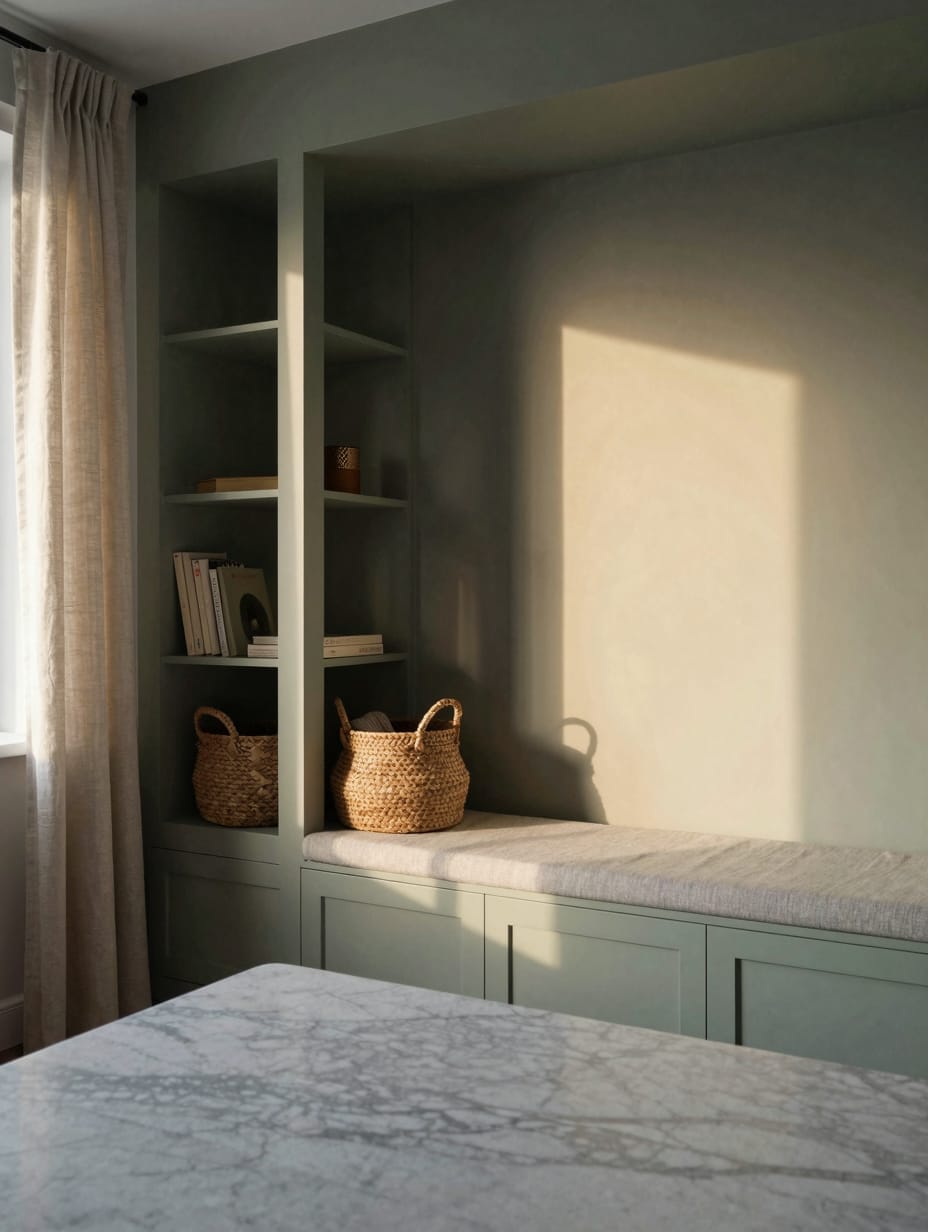
Walking through a designer showroom once, I noticed how cleverly integrated storage disappeared into the walls. One setup revealed built-in shelving integrated around a window seat, painted the same soft sage green as the walls.
Woven baskets neatly tucked away blankets and books, maintaining a streamlined, uncluttered appearance. Soft sunlight illuminated the organized textures. Achieving this kind of seamless look takes serious planning, I learned.
How to Get This Look
- Incorporate storage that blends with your decor, like an ottoman or bench that also holds items.
- Invest in Under-Bed Storage Drawers, $25-$80 USD, selecting ones with wheels for easy access.
- Match storage containers (baskets, bins) to your room’s color palette to maintain visual harmony.
- Use decorative shoe boxes, $5-$10 USD each, covered in attractive paper or fabric for hidden, custom storage.
6. Vanishing Acts: The Subtlety of Clear Furniture
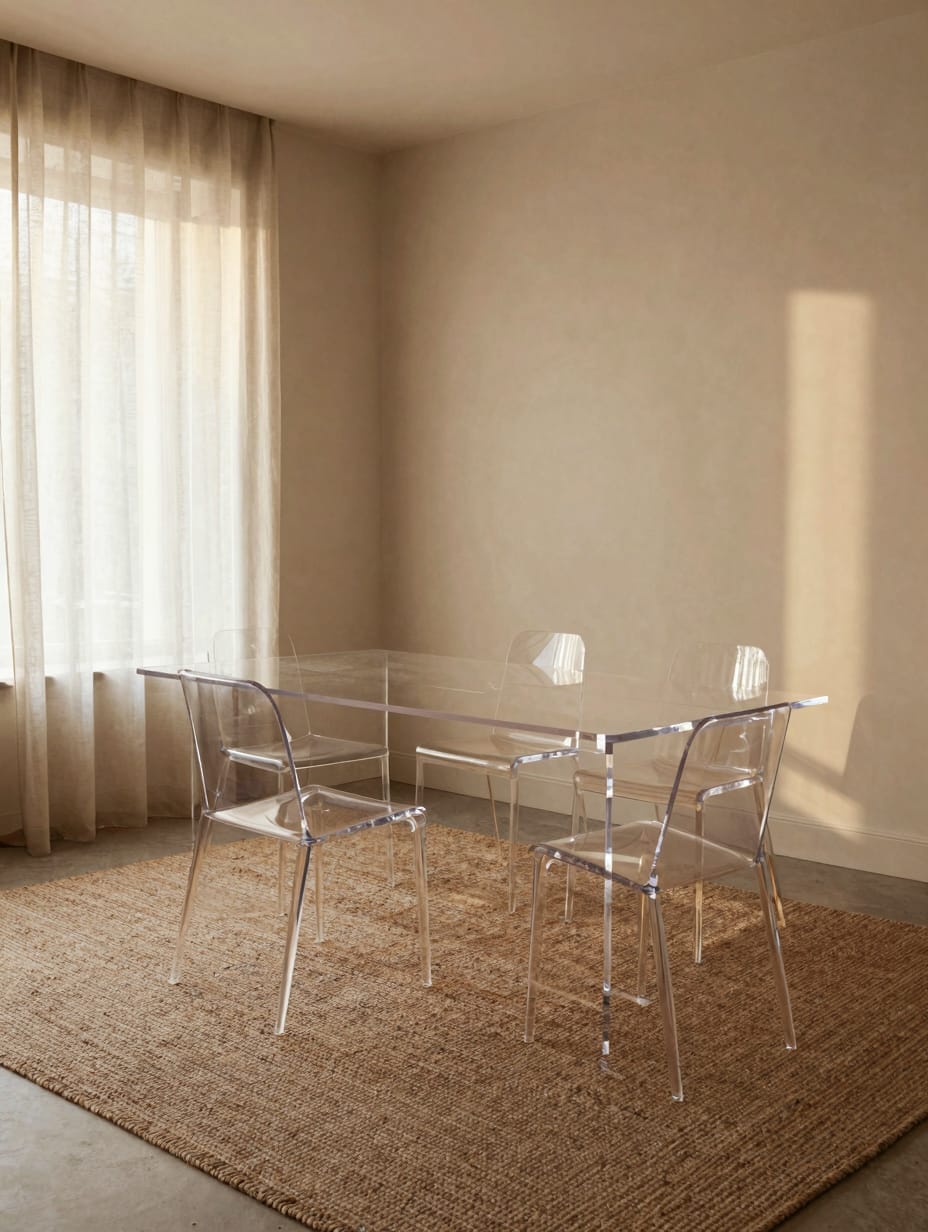
My first thought was that these clear pieces would show every fingerprint, and they do—a bit. But for a tiny dining corner, my acrylic side table truly vanishes, keeping the visual flow uninterrupted and feeling less weighty.
I’ve seen contemporary dining areas featuring sleek, transparent acrylic dining tables and chairs, which allow the eye to see through them to the soft, patterned rug below. This creates an uninterrupted flow, making the compact space feel exceptionally open and modern.
How to Get This Look
- Introduce one or two pieces of furniture made from clear materials to reduce visual clutter.
- Opt for an Acrylic Coffee Table, $70-$300 USD, choosing a simple, geometric shape for a modern feel.
- Pair with a light-colored rug and minimalist decor to enhance the airy effect.
- Recycle old glass table tops, $0-$20 USD (if you find one for free), onto a simple base for a transparent surface.
7. Right-Sized Style: Furnishing for Flow
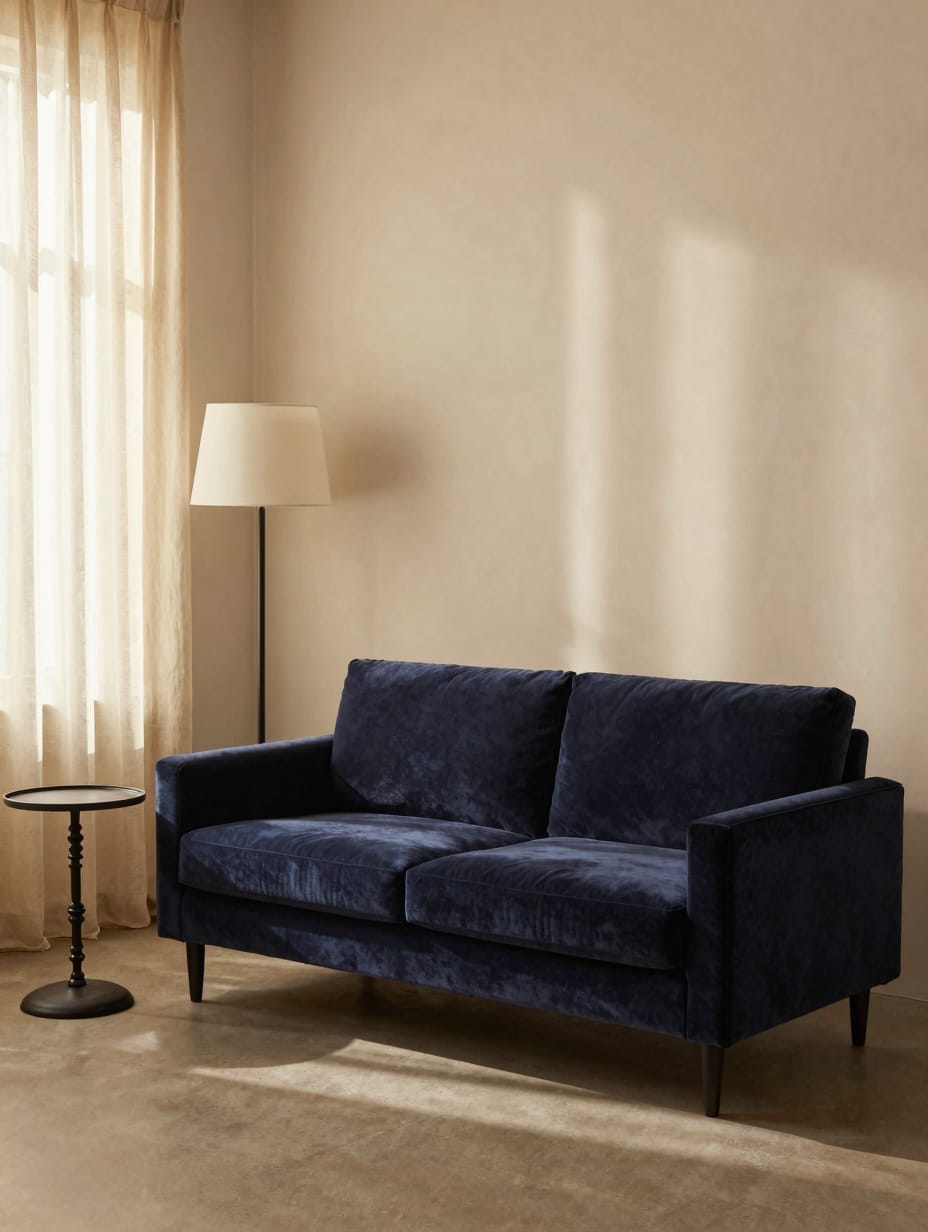
A charming small living room I visited recently featured a perfectly proportioned two-seater sofa in a rich navy velvet. It was accompanied by a slender floor lamp and a compact circular side table, everything fitting comfortably.
Every piece allowed for easy movement and a balanced aesthetic. I saw a friend agonize over a sofa for their apartment, and they eventually chose a slender loveseat, 60 inches wide, which fit perfectly without overwhelming the space.
How to Get This Look
- Measure your room carefully to ensure furniture dimensions leave adequate pathways (at least 30 inches).
- Select a Small-Scale Loveseat, $300-$800 USD, prioritizing narrow arms and a shallow depth.
- Integrate a slim floor lamp and a compact, round side table to preserve open sightlines.
- Look for apartment-sized furniture, $150-$400 USD, on resale sites for better value and ideal proportions.
8. Lifted and Light: Creating Floor Space with Wall Mounts
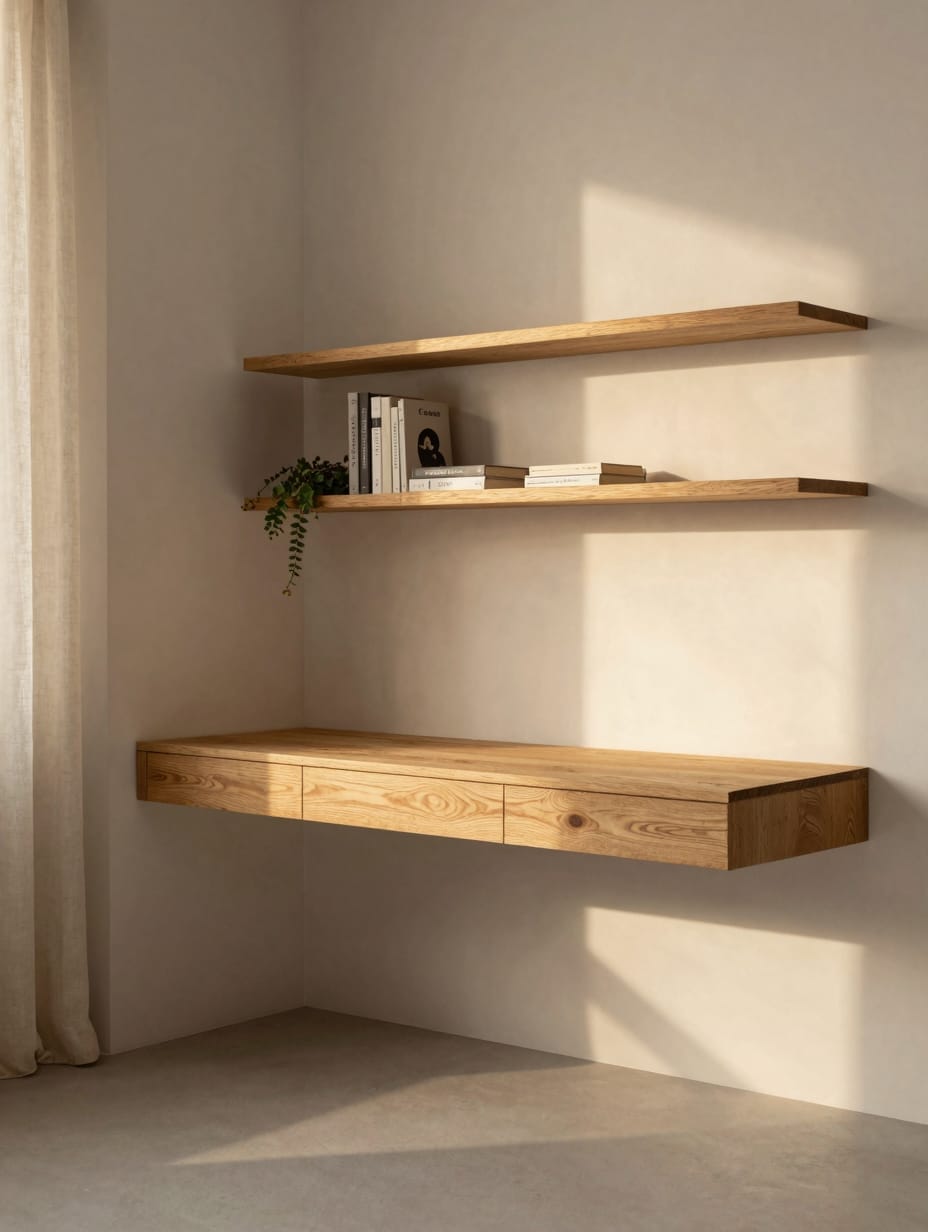
I installed a floating desk in my own work-from-home corner, and it was a bit more challenging than I expected to get it perfectly level. But the clear floor space underneath has been transformative; I don’t constantly kick desk legs anymore.
It creates a minimalist home office corner with a sleek, floating desk made of blonde wood, paired with slim, wall-mounted open shelves. The absence of legs creates an open, clean look beneath, enhancing the room’s spaciousness.
How to Get This Look
- Opt for wall-mounted shelves or desks to free up valuable floor space, making cleaning easier.
- Choose a Floating Desk, $80-$350 USD, selecting one with built-in drawers for concealed storage.
- Mount shelves slightly above eye level to maintain an expansive feeling, arranging items thoughtfully.
- Repurpose a sturdy wooden plank, $10-$30 USD, with strong wall brackets for a custom floating shelf.
9. Curated Calm: The Power of Intentional Simplicity
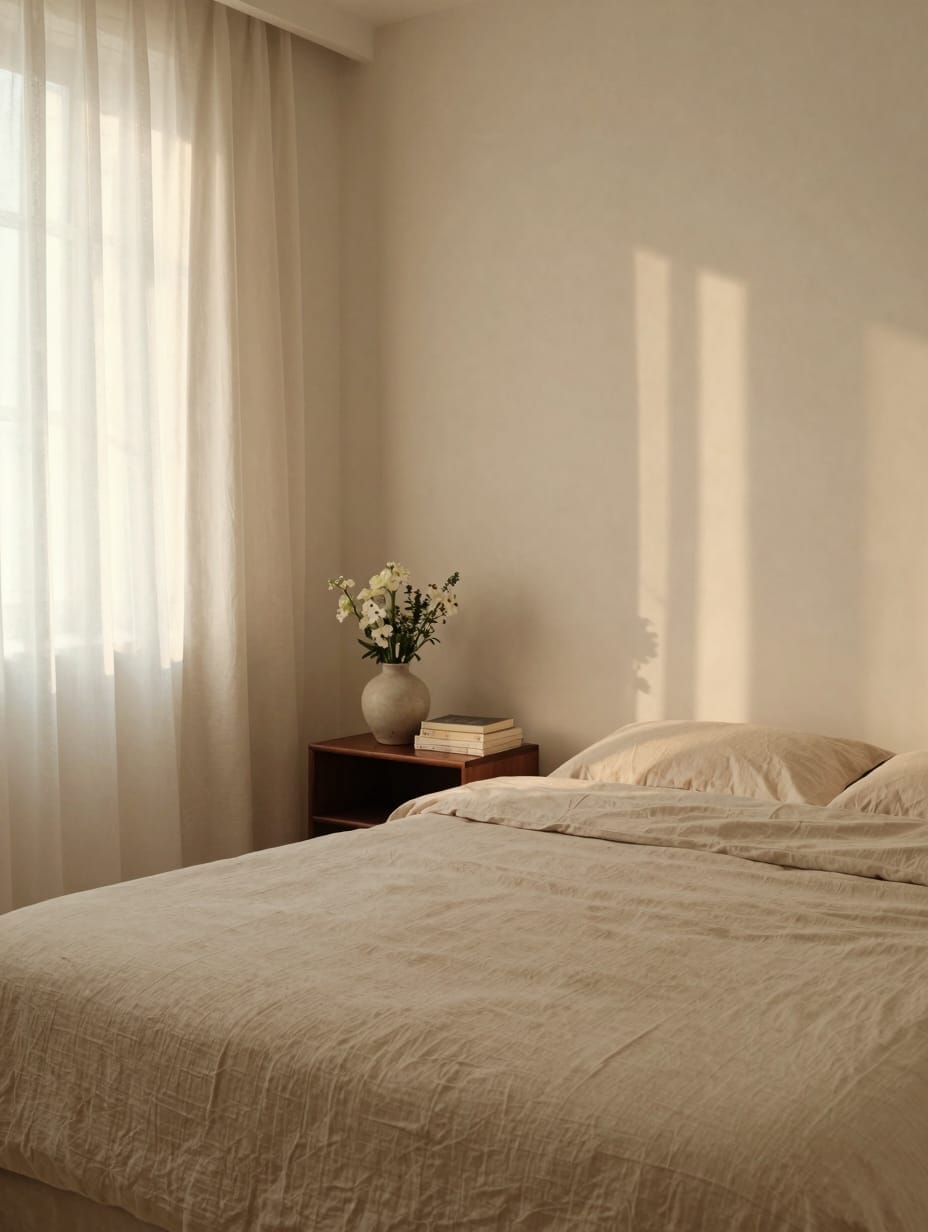
I once helped stage a small studio apartment, and the biggest impact came from removing 80% of the knick-knacks. The visual quiet created an instant feeling of more room; it was tough, but effective.
The result was a serene and immaculate bedroom where surfaces were mostly clear, with only a few thoughtfully chosen decorative items. A single ceramic vase with fresh flowers and a neat stack of books sat on a nightstand. The uncluttered environment truly exuded tranquility and order.
How to Get This Look
- Declutter regularly, removing items that don’t serve a purpose or bring you joy to maintain clarity.
- Use Decorative Storage Boxes, $10-$50 USD each, to hide smaller items on shelves or tabletops.
- Embrace a minimalist aesthetic by keeping surfaces mostly clear, highlighting a few key pieces.
- Designate one drawer as a “catch-all” for small items, $0 (using existing furniture), to keep surfaces clear.
10. Illuminated Ambiance: Layering Light for Depth
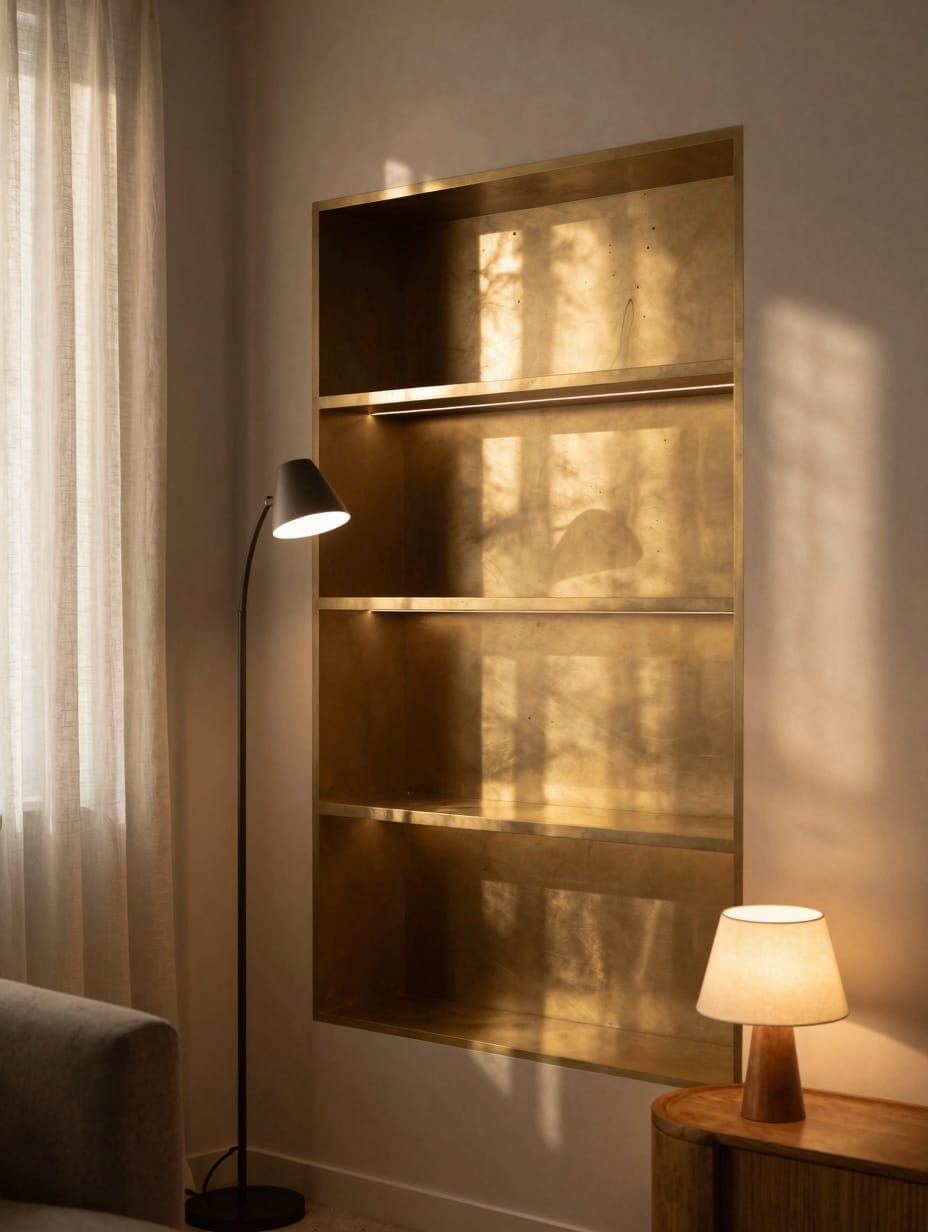
I used to just flip on the harsh overhead light, but adding a dimmable floor lamp and a small accent lamp changed everything. My living room feels so much more inviting now, even if it took me a while to figure out the right bulb temperatures.
I’ve seen a cozy reading nook bathed in a warm, inviting glow created by a combination of a dimmable floor lamp, a subtle LED strip tucked behind a shelf, and a soft table lamp. The layered lighting created depth and highlighted architectural features.
How to Get This Look
- Combine three types of lighting: ambient (overhead), task (reading lamp), and accent (spotlight) for depth.
- Invest in a Dimmable Floor Lamp, $60-$200 USD, choosing one with an adjustable head for task lighting.
- Select bulbs with a warm color temperature (2700-3000K) to create a cozy, inviting atmosphere.
- String fairy lights, $10-$25 USD, around a window or shelf for instant accent lighting.
11. Zoned Comfort: Defining Spaces with Soft Textures
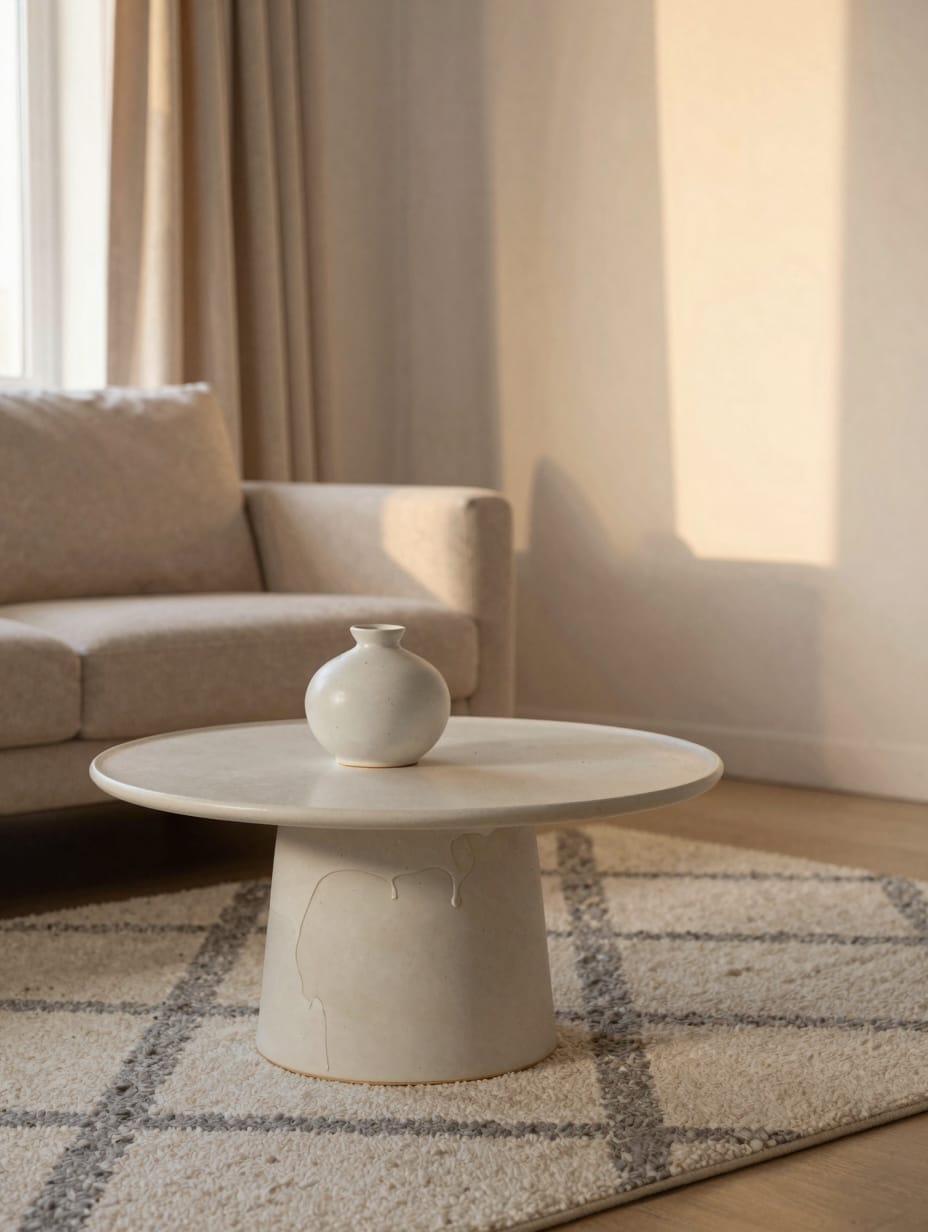
My friend, who lives in a classic studio apartment, used a large, soft rug to create a ‘living room.’ It grounded her sofa and coffee table, making a clear distinction from her sleeping area without needing any walls.
Her stylish studio had a plush, geometric-patterned area rug in shades of cream and grey that clearly defined the living room zone within the open space. A comfortable sofa and coffee table were anchored on it, creating a distinct, cozy area.
How to Get This Look
- Use an area rug large enough to fit the front legs of all furniture in a specific zone to define it.
- Choose a Large Area Rug, $150-$600 USD, in a durable, easy-to-clean material like wool or polypropylene.
- Select a rug with a subtle pattern or texture to add visual interest without overwhelming the space.
- DIY a large rug by joining smaller, inexpensive rugs, $20-$50 USD each, with carpet tape for a custom size.
12. Green Infusion: Bringing Nature Indoors
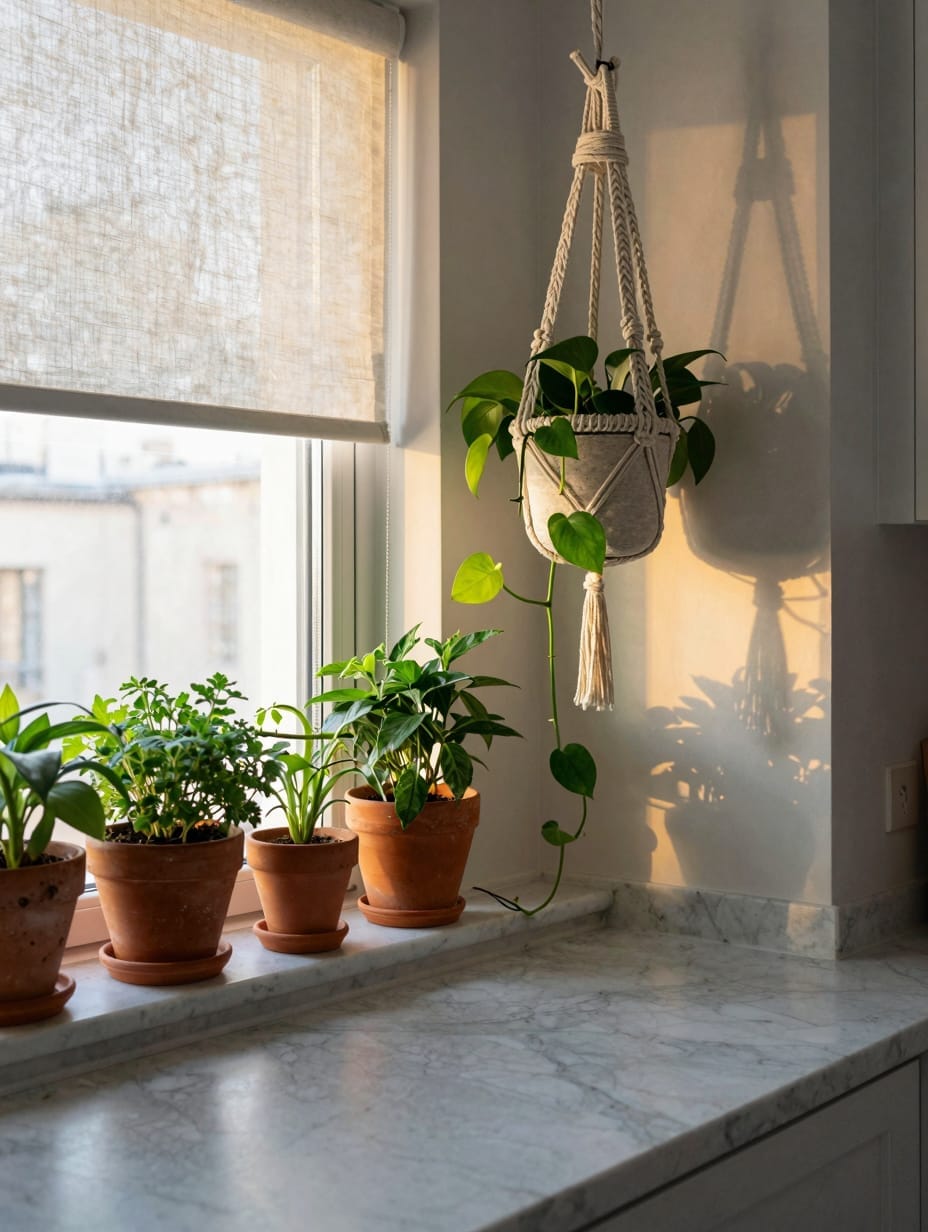
I saw this done beautifully in a tiny galley kitchen once. A bright window sill was adorned with an assortment of vibrant, easy-care potted herbs in terracotta pots, alongside a trailing Pothos plant cascading gently from a hanging macrame planter.
The natural greenery added life, freshness, and a touch of organic warmth to the compact kitchen. These plants not only added life but made the room feel more cared for and less utilitarian—even if some herbs need more sun than others.
How to Get This Look
- Incorporate small, easy-to-care-for plants into your decor, placing them on shelves, window sills, or hanging.
- Purchase Small Potted Herbs, $5-$20 USD each, like mint or basil, for a kitchen window sill.
- Utilize hanging planters or wall-mounted pots to add greenery without occupying precious surface area.
- Propagate plant cuttings, $0, from a friend’s plant or found foliage for free, new greenery.
Loved these ideas? Save this post to Pinterest so you can come back to it later.
Simple Ways to Bring These Ideas to Life in Your Home
When you’re ready to tackle your home, here are a few simple strategies I’ve picked up:
- Start small: Pick one area, like an entryway or a nightstand, and apply a single idea.
- Declutter ruthlessly: If you don’t use it, love it, or need it, it doesn’t belong in a small space.
- Measure twice: Always confirm dimensions of furniture and spaces before buying anything.
- Shop smart: Look for sales, secondhand treasures, or DIY solutions to stretch your budget.
- Prioritize comfort: Don’t sacrifice coziness for style; your home should feel good to live in.
Frequently Asked Questions
What’s the biggest mistake people make when decorating a small home?
The most common misstep is overcrowding the space with too many items or oversized furniture. This creates visual chaos and makes a small room feel even smaller. Focus on fewer, well-chosen pieces and ensure there’s enough negative space for the eye to rest and perceive openness.
How can I make a small room feel cozy, not cramped?
To achieve coziness, layer textures with soft throws, rugs, and pillows. Use warm, dimmable lighting, and incorporate a few personal, comforting touches like cherished books or soft artwork. These elements create an inviting atmosphere, enveloping the space without making it feel suffocating.
What’s one budget-friendly change that makes a big impact?
Painting your walls a light, calming color can instantly brighten and expand a small room. Another powerful, affordable trick is adding a large mirror, especially opposite a window. Both methods visually push back walls and reflect light, creating a surprising sense of spaciousness without breaking the bank.
Can I use dark colors in a small room?
Yes, absolutely! While light colors often make rooms feel larger, a single dark accent wall can add incredible depth and character. Alternatively, painting an entire small room a rich, deep hue can create a jewel-box effect, making it feel intentionally intimate and luxurious rather than cramped.
Common Myths About Small Space Decor
Myth: You must use all white to make a room feel bigger.
While white is effective, it’s not your only option. A monochromatic scheme in soft blues, greens, or even warm grays can be equally expansive. Moreover, a dark accent wall can surprisingly recede, creating depth and making the adjacent light walls appear to stretch further.
Myth: Don’t buy large furniture for a small space.
This is often misleading. One well-proportioned, larger piece, like a compact sofa, can make a room feel more substantial than several small, mismatched items. It grounds the space and reduces visual clutter. Just ensure it fits through your doorways and leaves adequate walking paths.
Myth: Small spaces can’t be luxurious or chic.
Quite the opposite! A smaller footprint allows you to invest in higher-quality materials for fewer pieces. Think rich textiles, bespoke storage, or unique art. Curated, well-chosen items elevate the entire space, making it feel intentional, sophisticated, and incredibly stylish.
Small Space Decor: Final Thoughts
Transforming your compact home with smart small space decor is genuinely rewarding. It’s about being thoughtful, not restrictive, in your design choices. By embracing creative solutions and focusing on both function and feel, you can craft a home that feels incredibly generous, regardless of its square footage. Save this post to Pinterest 📌 and start building the apartment you actually want to come home to.