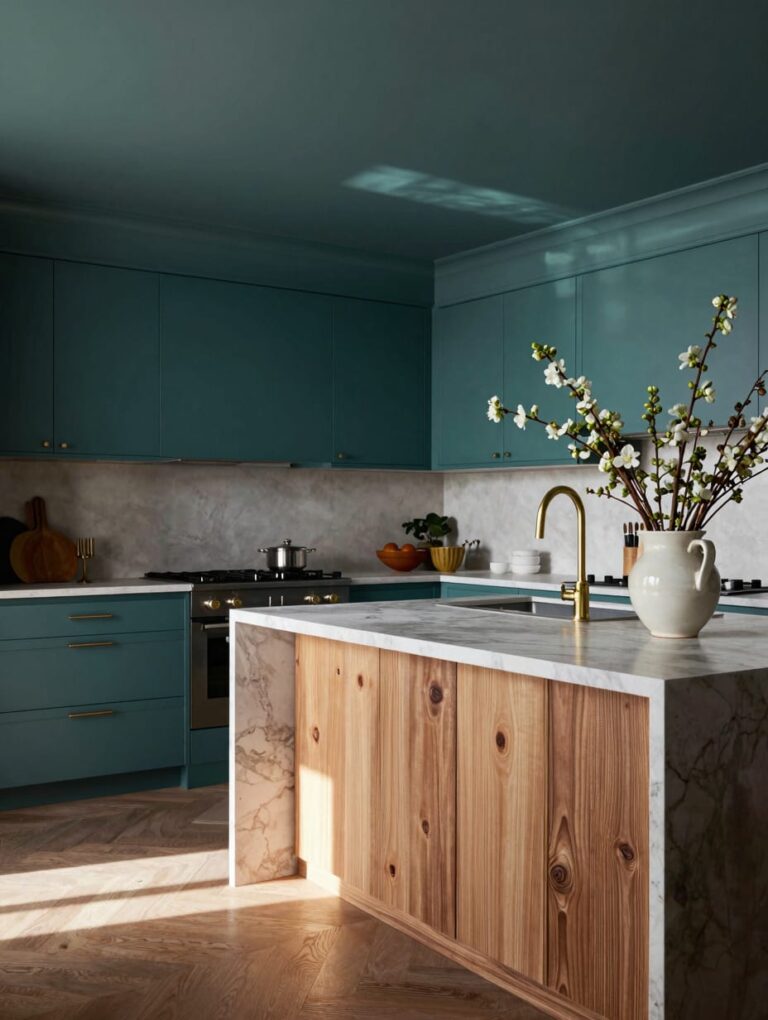
15 Nature Inspired Kitchen Ideas For A Fresh And Serenely Beautiful Cooking Space
Stepping into a kitchen that breathes life—that’s what a nature inspired kitchen promises. I’ve always felt a deep connection to spaces that reflect the outdoors, and the kitchen is no exception. It’s a place for sustenance, yes, but also for grounding. I find these elements truly elevate a cooking space, making it a fresh and serene haven.
Why These Nature Inspired Kitchen Ideas Are Worth Trying
Bringing the outdoors in offers a refreshing antidote to sterile interiors, fostering a calm atmosphere where creativity flourishes. These nature inspired kitchen decor ideas provide a gentle, timeless appeal, enriching everyday moments with organic beauty.
Table of Contents
1. Verdant Feature Wall
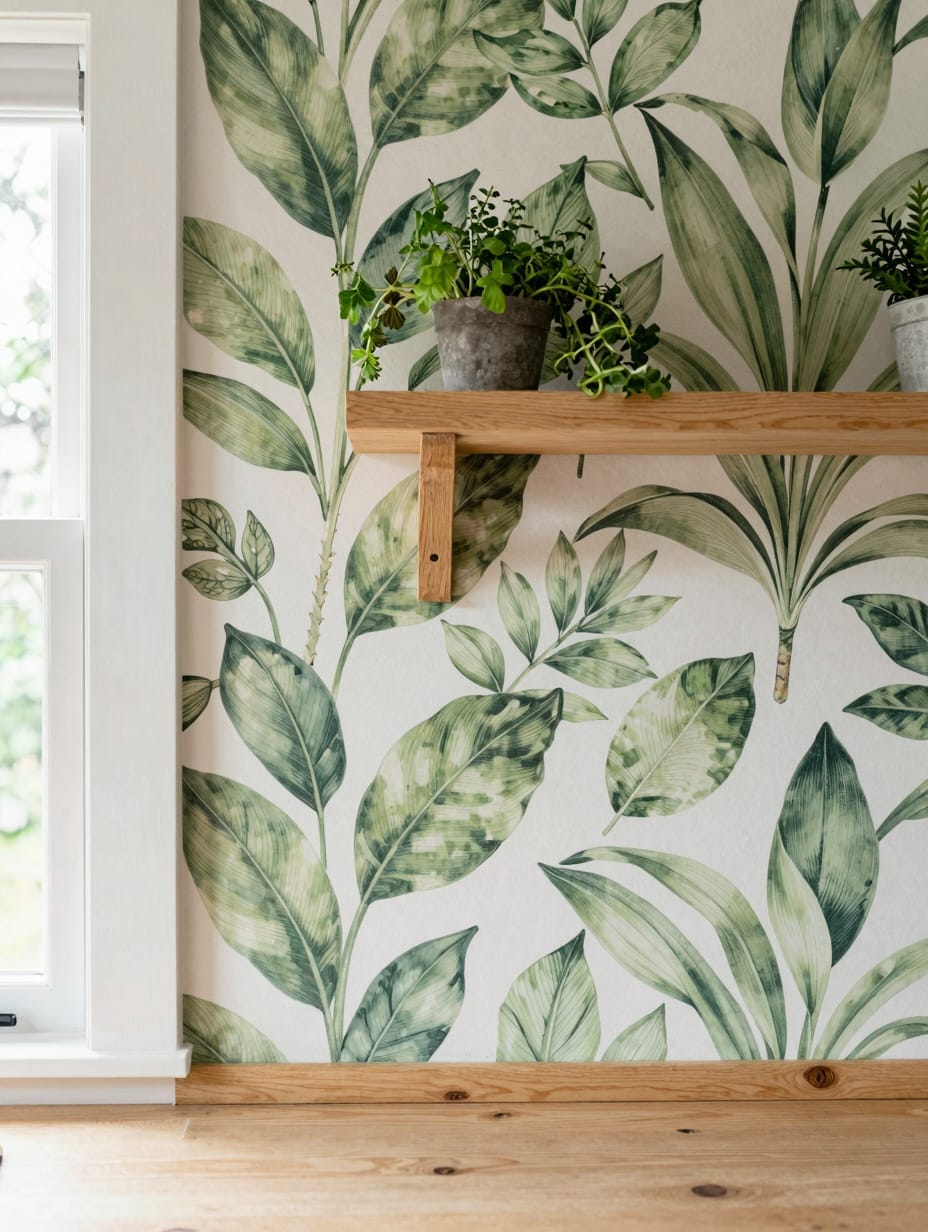
Imagine a kitchen wall adorned with a lush botanical print, featuring large, vibrant green leaves. Natural light streams in, illuminating intricate details and casting soft shadows that make the space feel alive.
I once decided to tackle a similar project in my old kitchen, choosing a bold banana leaf pattern. Honestly, aligning the peel-and-stick wallpaper was a two-person job, and it took an entire weekend, but the dramatic impact on that small wall was immediate and so worth the effort.
How to Get This Look
- Select a single accent wall, perhaps behind your dining nook, to apply the wallpaper for maximum impact.
- Botanical peel-and-stick wallpaper, $30-$70 USD per roll, chosen for ease of application.
- Pair the vibrant pattern with shelves and decor in light woods, such as birch or maple.
- Budget alternative: Print and frame large botanical posters or fabric swatches, costing around $10-$30 USD each.
2. Rustic Woodland Storage
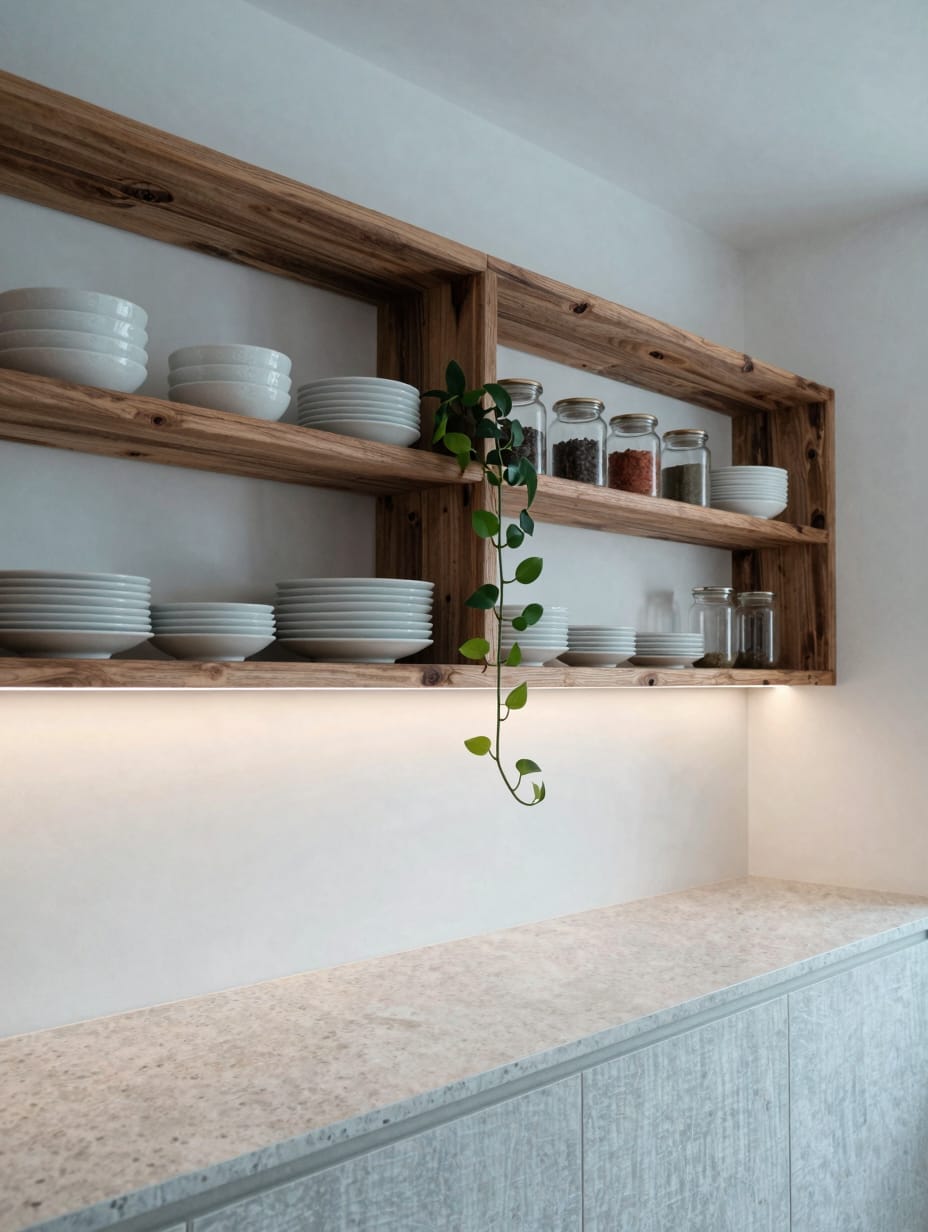
I once admired this look in a friend’s renovated farmhouse kitchen: open shelving crafted from live-edge, reclaimed wood, displaying neatly stacked white ceramic dishes. Below, a honed quartz counter reflected the warm glow of under-shelf LED lighting.
A small, trailing Pothos plant draped gracefully from one shelf, softening the edges. Dust can be a real adversary with open shelving, requiring frequent dusting, but the aesthetic payoff is undeniable.
How to Get This Look
- Install two to three live-edge wooden shelves above a counter to showcase everyday items.
- Live-edge wood shelves, $75-$250 USD each, selected for unique grain patterns.
- Display minimalist white dinnerware and clear glass jars to maintain a clean, organized feel.
- Budget alternative: Simple pine planks from a hardware store, stained dark, costing around $20-$40 USD per shelf.
3. Earthy Granite Grandeur
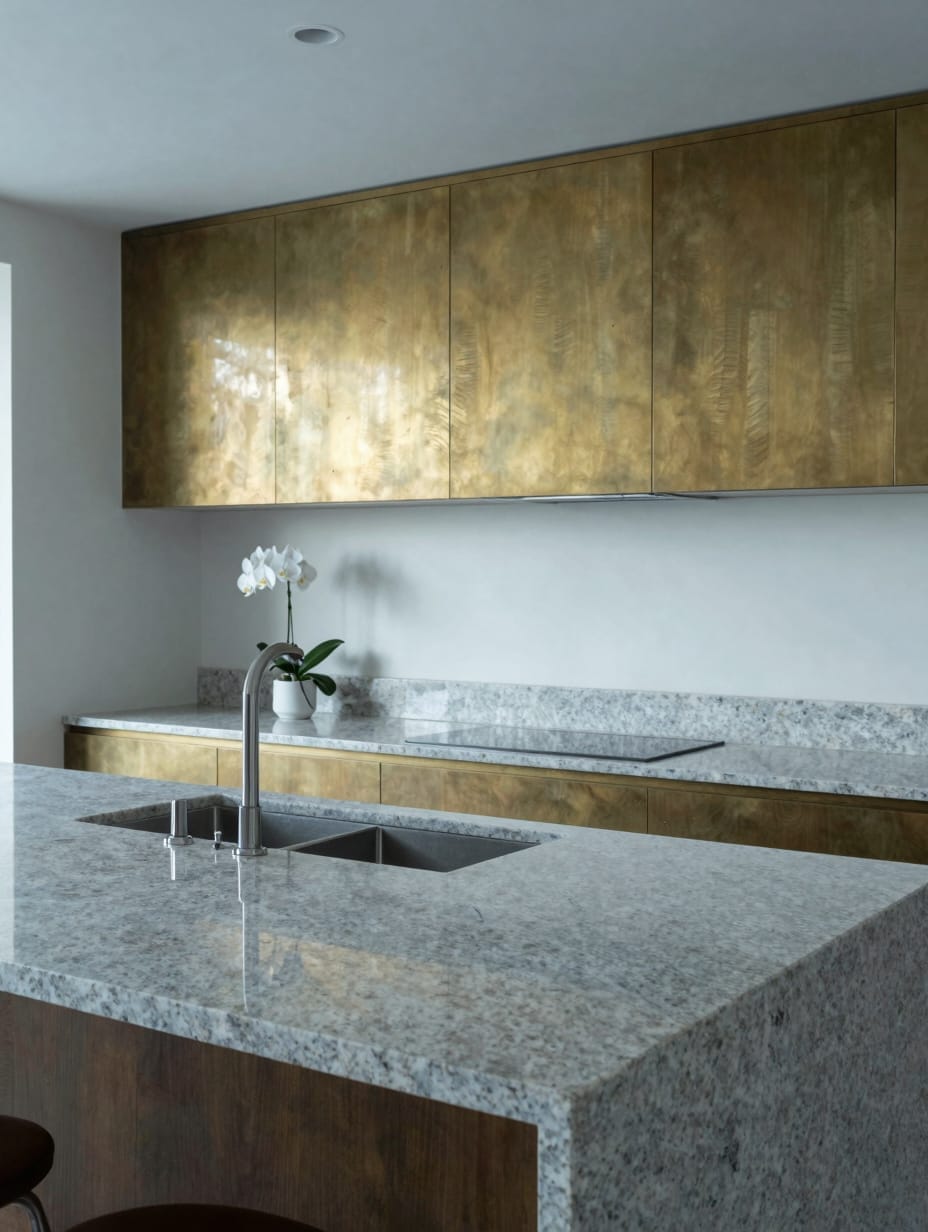
A local showroom recently showcased a kitchen island featuring a thick slab of light grey granite with subtle white and black veining. The integrated sink was undermounted, and the backsplash behind the cooktop was a matching, polished granite.
A single white orchid in a sleek vase sat elegantly on the counter, a sophisticated touch. The price tag, though, felt like a grounding presence of its own, so consider a smaller section if a full island is out of reach.
How to Get This Look
- Choose a granite slab for your island that measures at least 1.5 inches thick to emphasize its natural weight.
- Granite countertop slab, $40-$100 USD per square foot, for its distinct veining and durability.
- Extend the granite to a matching backsplash behind the stove for a seamless, luxurious look.
- Budget alternative: Granite tile backsplash, costing around $5-$15 USD per square foot.
4. Fresh Greens on Display
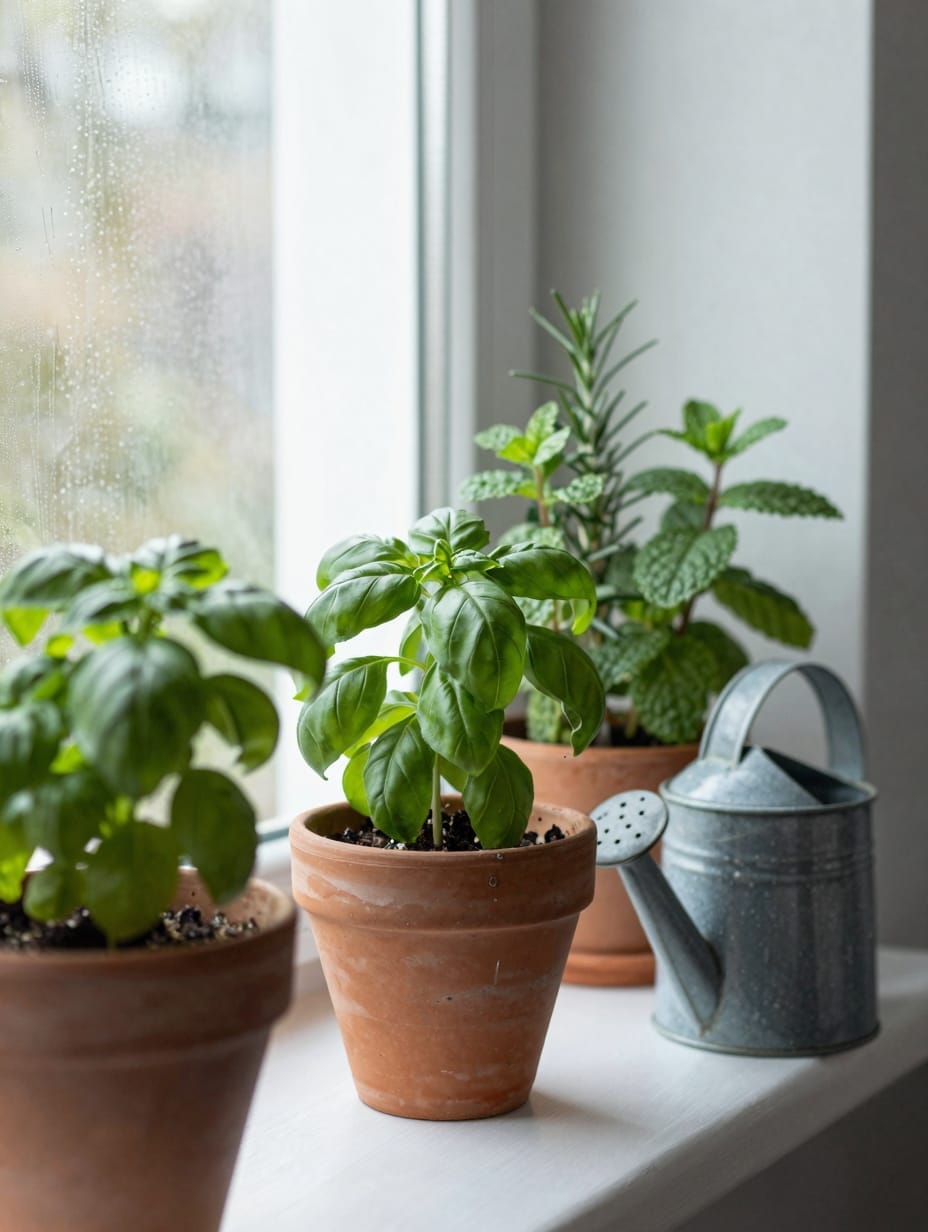
My kitchen windowsill is always home to a mini herb garden, featuring vibrant green basil, rosemary, and mint in classic terracotta pots. Sunlight bathes the plants, highlighting their lush textures and the subtle condensation on the windowpane.
I find the aroma truly invigorating, especially when I brush past the rosemary. Full disclosure: I once overwatered my mint plants so badly that they withered, so drainage is key.
How to Get This Look
- Arrange three to five small terracotta pots along a south-facing windowsill, ensuring good drainage.
- Terracotta herb pots, $5-$15 USD each, chosen for their porous, breathable qualities.
- Plant a selection of fresh herbs like basil, chives, and oregano for both culinary and visual appeal.
- Budget alternative: Repurpose old coffee mugs or glass jars as planters, costing effectively $0 USD.
5. Breezy Woven Illumination
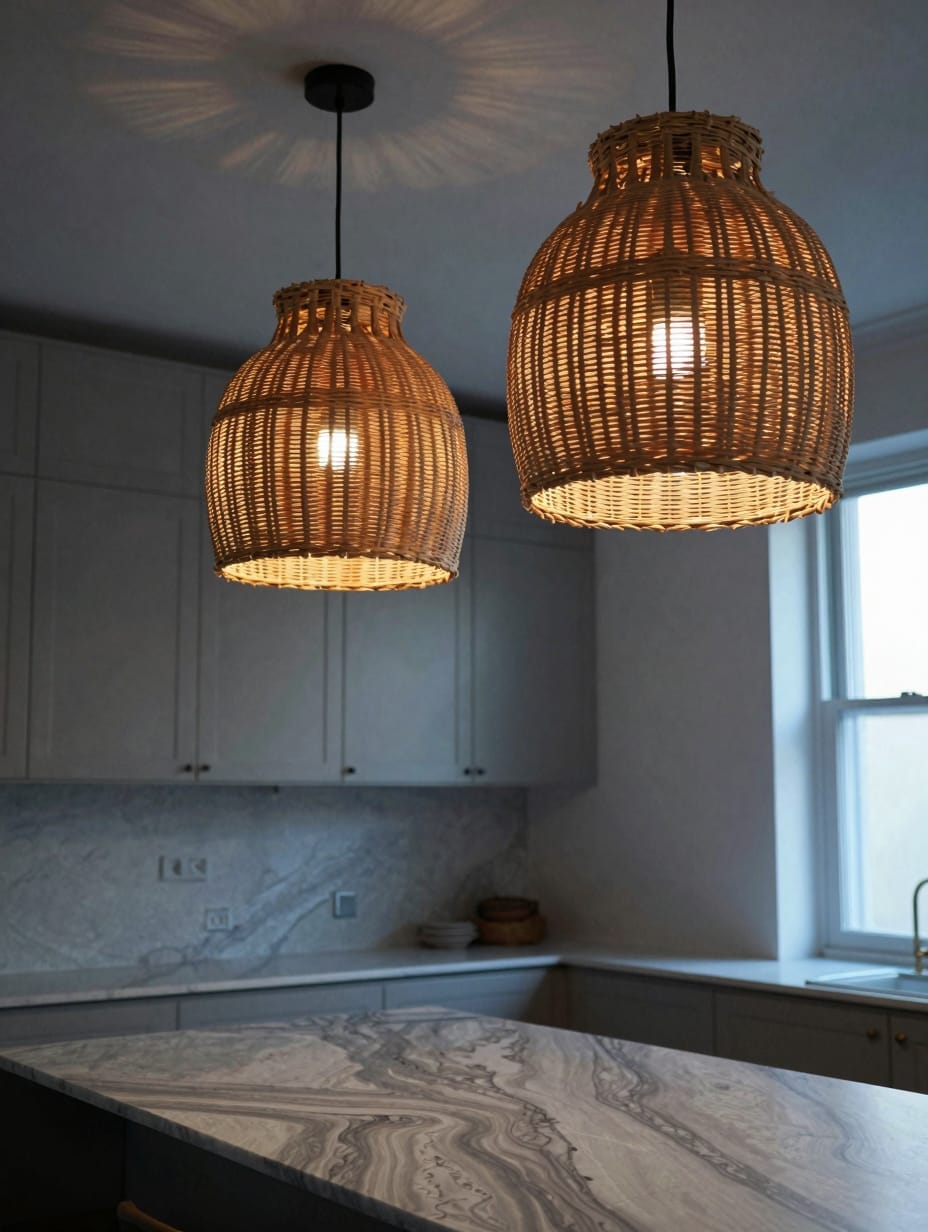
I saw this in a design magazine, above a long, reclaimed wood island: two large, spherical pendant lights woven from natural rattan, hanging gracefully. The intricate weaving created beautiful patterns of light and shadow on the ceiling and cabinetry.
The warm glow of the bulbs cast a cozy, inviting ambiance throughout the space. Changing the bulbs in these can be a bit of a dance due to the intricate weave, but the look is worth it.
How to Get This Look
- Hang two to three woven rattan pendant lights over a kitchen island, spaced 30 inches apart.
- Rattan pendant lights, $80-$300 USD each, selected for their natural texture and diffused light.
- Use warm LED Edison bulbs to enhance the cozy, organic feel of the fixtures.
- Budget alternative: Single large paper lantern, often available for $15-$30 USD.
6. Tranquil Forest Hues
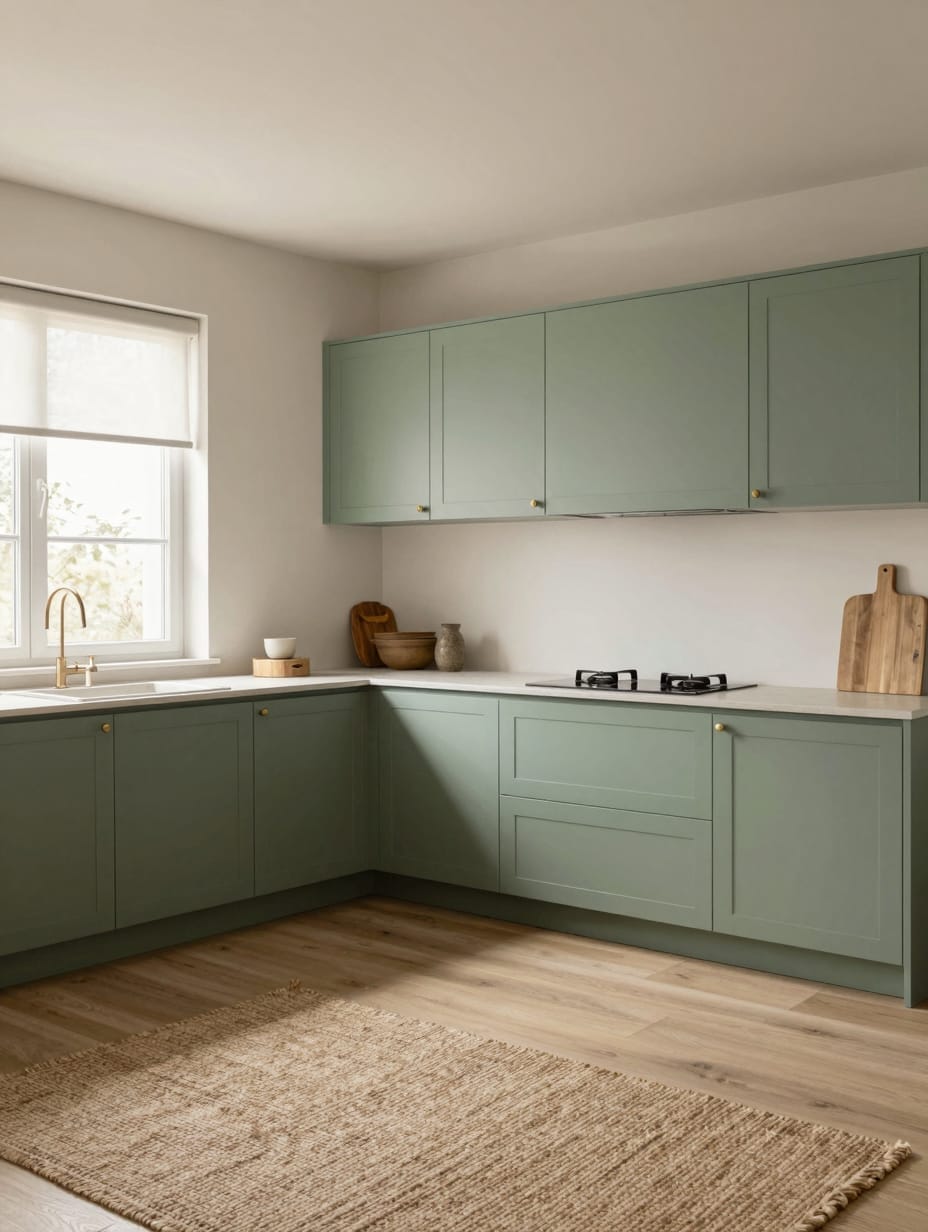
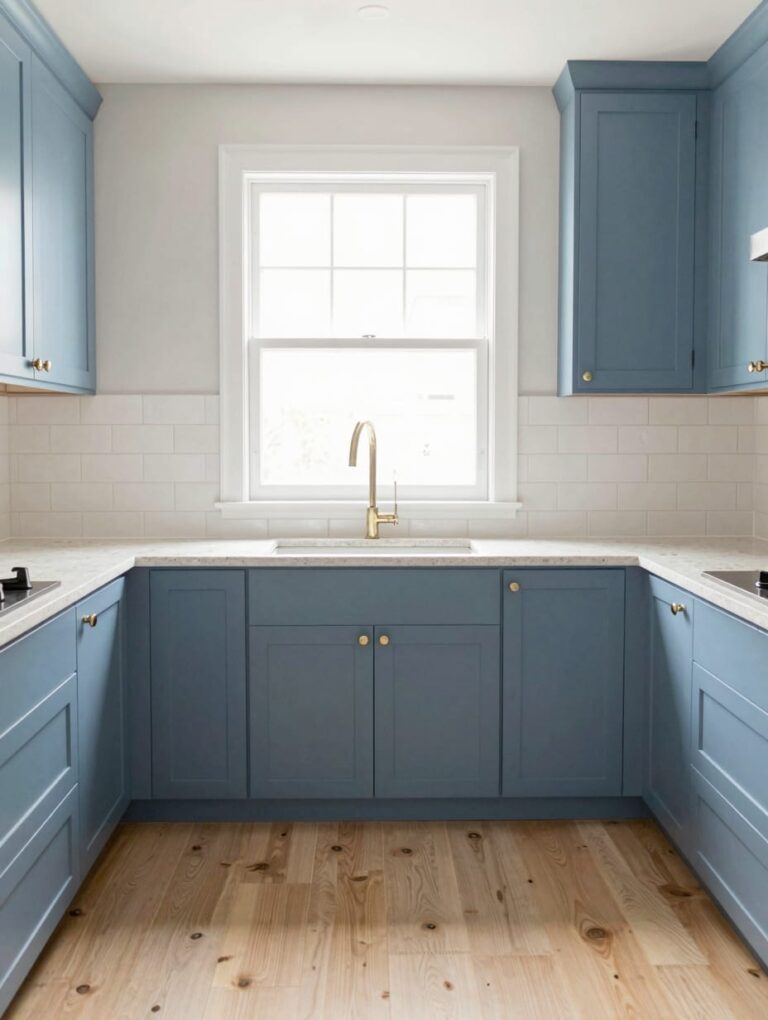
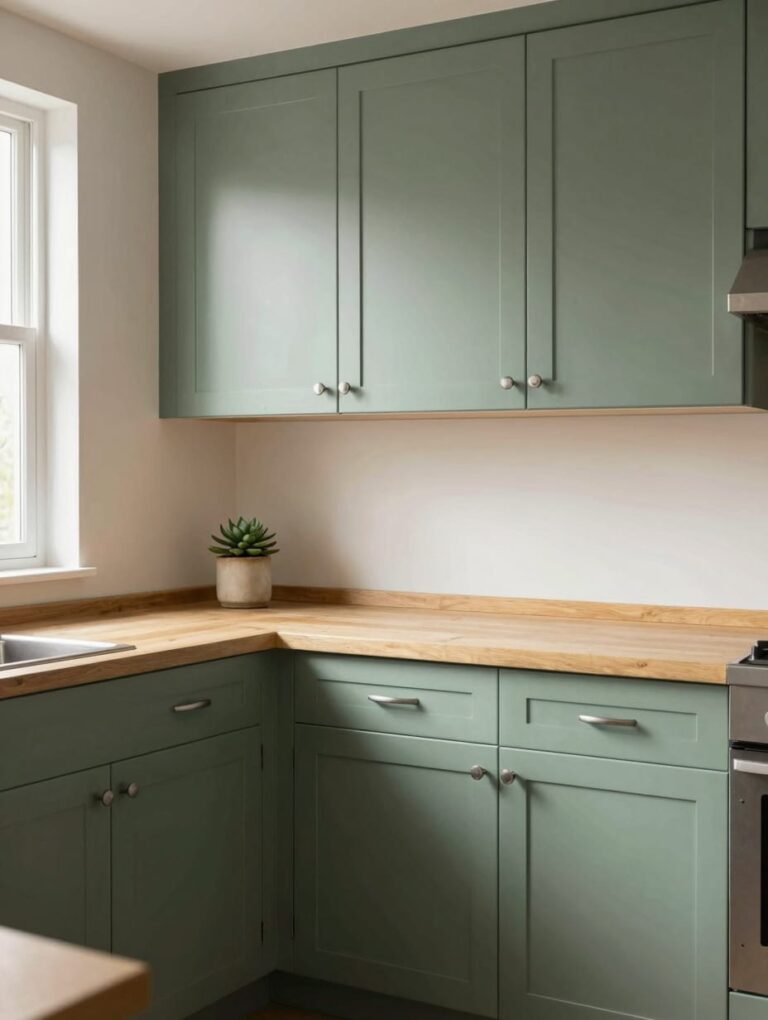
My sister painted her kitchen cabinets in a calming sage green a few years back, beautifully contrasted with off-white walls. The overall palette was serene, with subtle pops of natural wood tones in her accessories.
She was so worried it would feel too dark, but sunlight filtering through a sheer window treatment created a gentle illumination. The space feels incredibly harmonious now, a true escape.
How to Get This Look
- Repaint existing kitchen cabinets in a soft sage green or muted olive shade for an earthy foundation.
- Cabinet paint (sage green), $40-$80 USD per gallon, for excellent coverage and a durable finish.
- Pair the green with natural oak flooring or light-colored wood accents to prevent the room from feeling heavy.
- Budget alternative: Paint only the upper cabinets or a single base cabinet in the desired green, using a sample pot for $5-$10 USD.
7. Warm Woodgrain Wonders
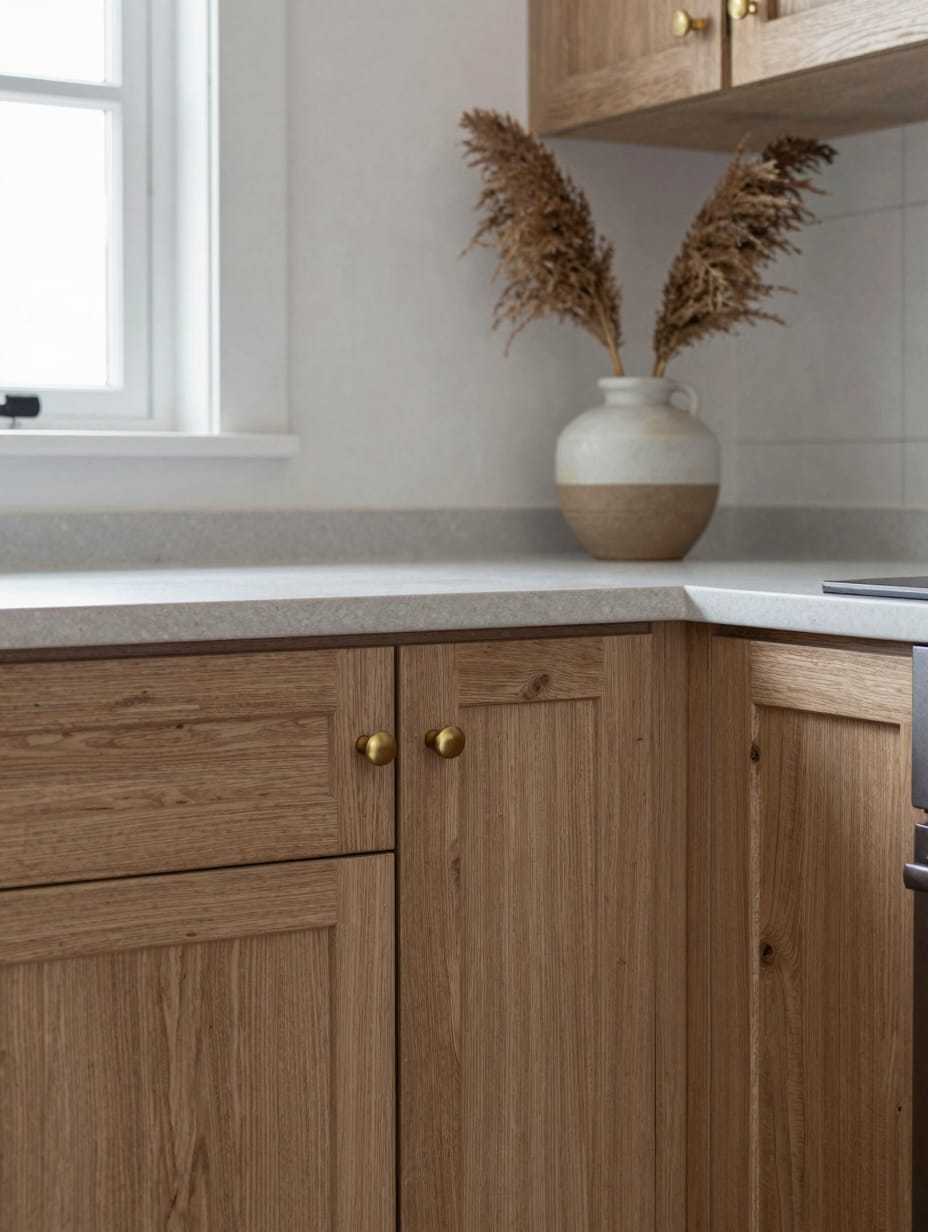
My own kitchen cabinets are crafted from light-stained, quartersawn oak, showcasing its prominent, natural wood grain. The Shaker-style panels felt like a classic choice, and brushed brass pulls add warmth that I appreciate every day.
I remember agonizing over the stain color for weeks; I wanted something light but still rich. The final choice was a natural matte finish, and while it shows fingerprints, the warmth it brings outweighs that minor frustration.
How to Get This Look
- Select cabinet doors in a light-stained wood like white oak or ash, showcasing prominent grain patterns.
- Solid wood cabinet doors, $50-$200 USD per door, chosen for their longevity and organic texture.
- Install brushed brass or matte black pulls to complement the wood’s inherent warmth.
- Budget alternative: Replace only cabinet fronts with veneer panels in a natural wood finish, costing around $20-$50 USD per panel.
8. Gallery of Greenery
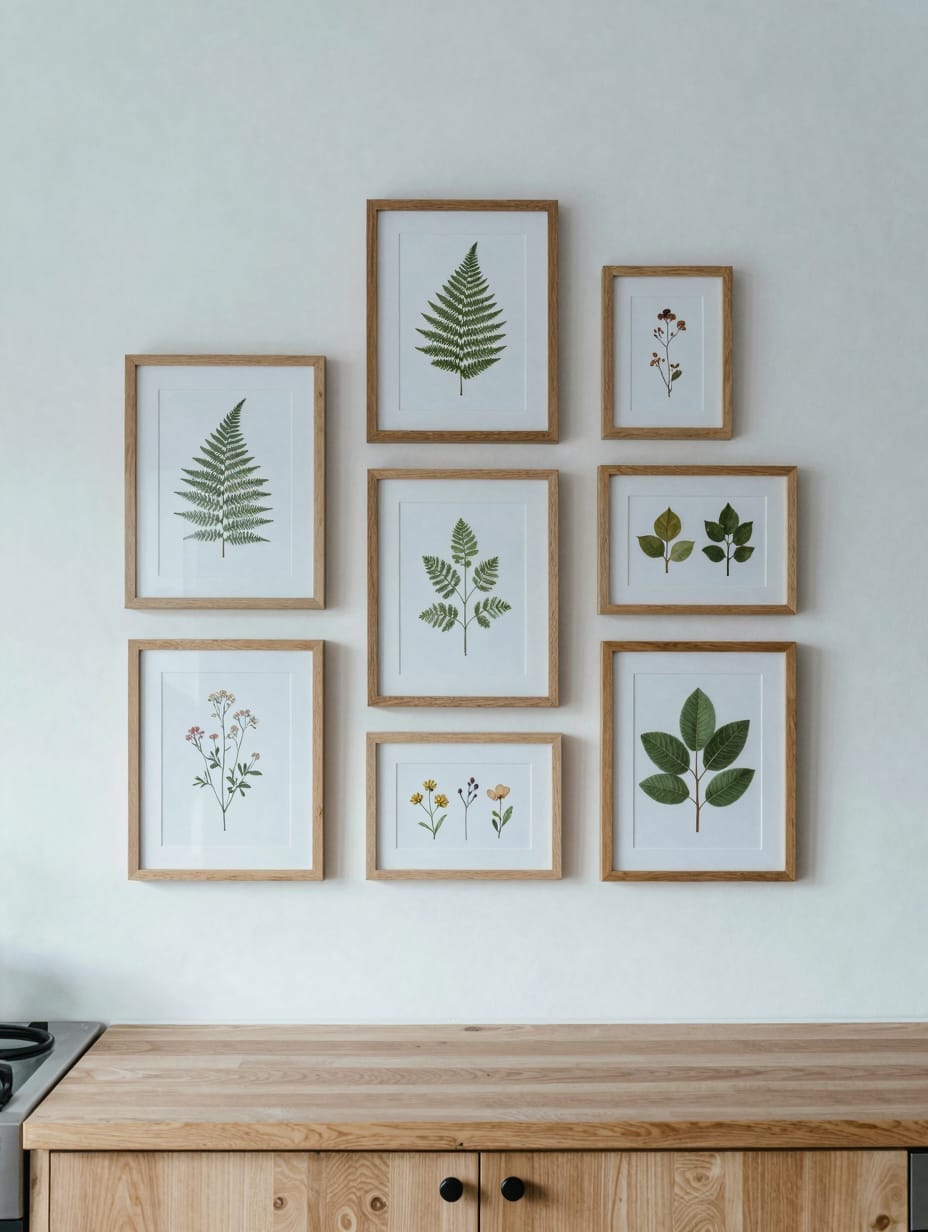
A client I helped stage their home had a delightful collection of framed botanical art prints, depicting delicate ferns and wildflowers. They arranged them artfully on a kitchen wall above a small breakfast bar.
The thin natural wood frames and crisp white mats truly made each piece pop. Finding prints that truly coordinate in style and color takes a discerning eye, but the result was wonderfully refreshing.
How to Get This Look
- Curate a gallery wall with 5-7 botanical prints in varying sizes (e.g., 8×10, 11×14, 16×20 inches) above a dining area.
- Assorted botanical art prints, $10-$40 USD each, selected for natural illustration style.
- Frame prints in thin natural wood frames with white mats to keep the focus on the artwork.
- Budget alternative: Use free printable botanical illustrations found online and frame them in inexpensive thrift store frames, costing around $5-$15 USD per piece.
9. Grounded with Jute
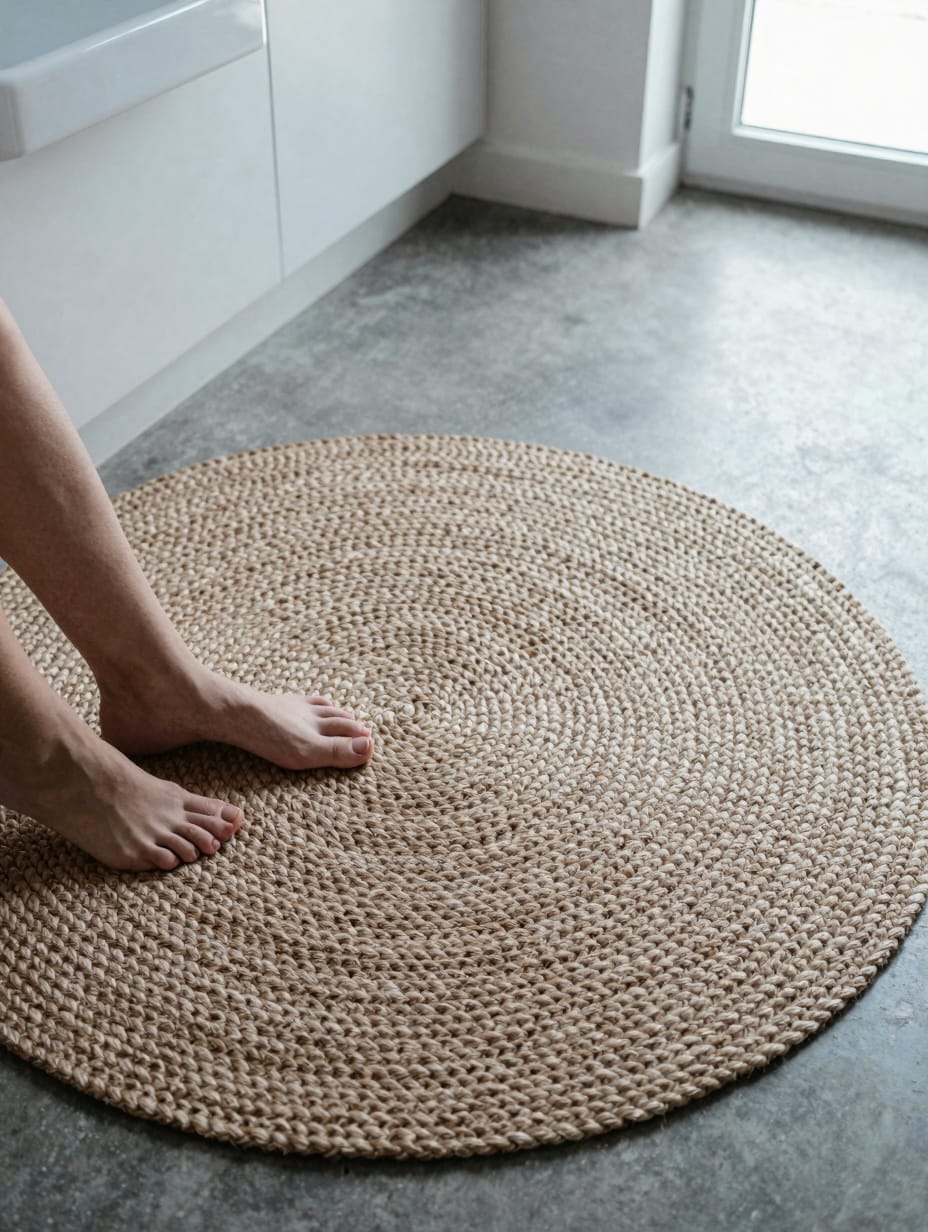
I remember spotting a beautiful circular jute rug placed directly in front of the kitchen sink in a quaint cafe’s kitchen. Its thick, braided texture and natural variegated tan tones felt so welcoming.
Bare feet were casually resting on the rug, emphasizing its comfortable feel. Keeping it pristine in a busy kitchen takes dedication, as natural fibers can absorb spills, but the softness underfoot is lovely.
How to Get This Look
- Place a circular jute rug, about 3-5 feet in diameter, in a high-traffic kitchen area like in front of the sink or stove.
- Round jute area rug, $50-$200 USD, chosen for its durable, eco-friendly material.
- Use a non-slip rug pad underneath to prevent shifting and add extra cushioning.
- Budget alternative: A smaller natural fiber doormat, around 2×3 feet, costing $15-$30 USD.
10. Artisan Earthware Collection
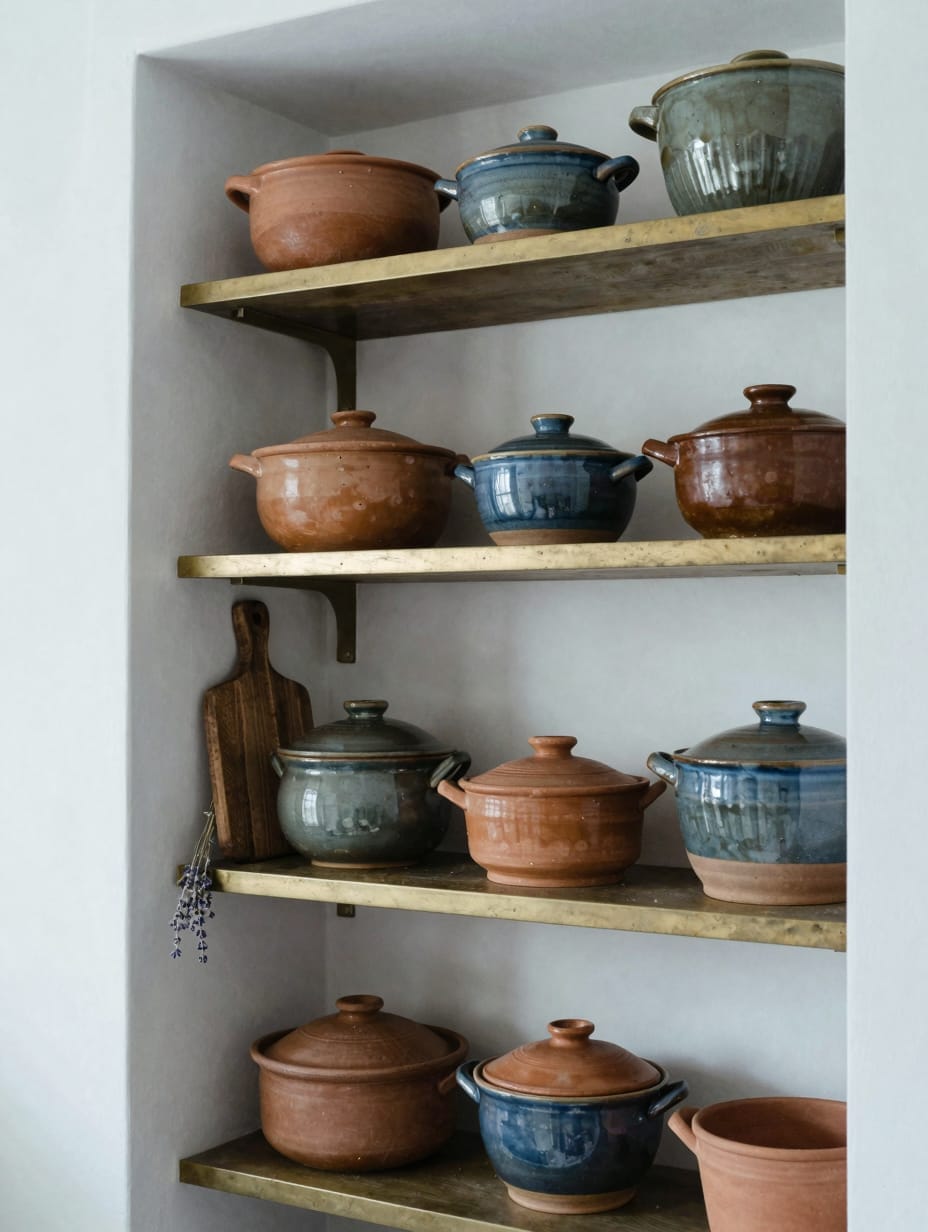
An open shelving unit displayed a charming collection of artisanal terracotta and ceramic cookware in a design studio I visited. The pieces ranged from earthy browns to muted blues and greens.
A rustic wooden cutting board leaned against the wall, and a bundle of dried lavender hung nearby, adding fragrance. These pieces can be surprisingly heavy, so make sure your shelves are properly reinforced.
How to Get This Look
- Arrange 4-6 pieces of artisanal terracotta or ceramic cookware on open shelves, varying heights and shapes.
- Terracotta baking dishes or ceramic bowls, $20-$60 USD per piece, selected for their handcrafted look.
- Incorporate a rustic wooden cutting board or a bundle of dried herbs for added visual and aromatic interest.
- Budget alternative: Collect mismatched ceramic pieces from thrift stores and paint them with food-safe matte paint, costing around $5-$15 USD per item.
11. Lush Corner Oasis
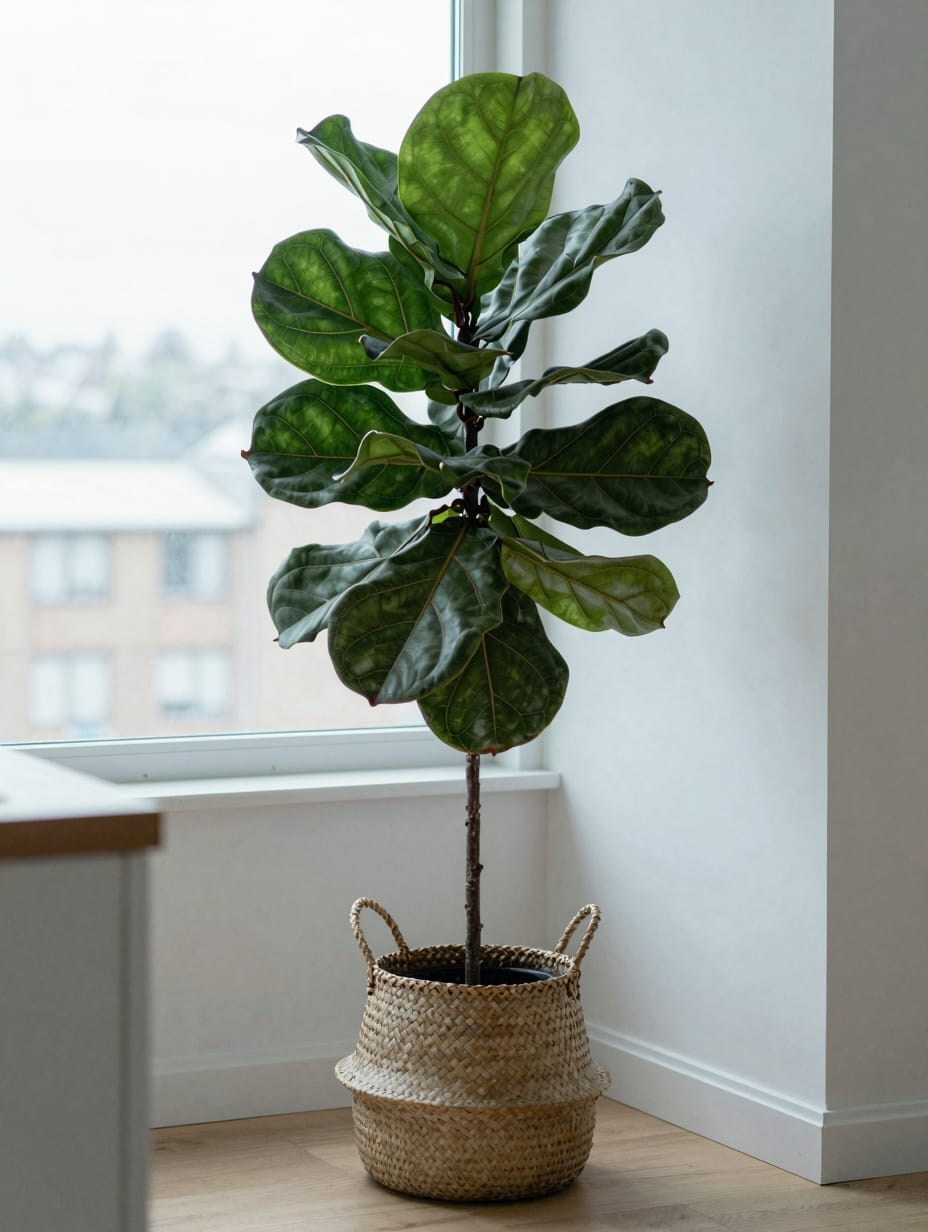
My kitchen corner holds a magnificent Fiddle Leaf Fig tree in a woven basket planter, reaching towards a large window. Its glossy, deep green leaves create a striking silhouette against the light-filled backdrop.
I bought this particular Fiddle Leaf Fig when it was just two feet tall, and it’s now almost six feet. Full disclosure: I almost killed it twice with overwatering, so proper drainage and checking soil moisture are critical with these beauties.
How to Get This Look
- Position a large statement plant, like a Fiddle Leaf Fig (4-6 feet tall), in a well-lit kitchen corner.
- Woven basket planter, $40-$100 USD, chosen for its organic texture and aesthetic appeal.
- Ensure the plant receives adequate indirect sunlight and is watered according to its specific needs.
- Budget alternative: A large, easy-care snake plant in a basic ceramic pot, costing around $20-$40 USD for the plant.
12. Pebbled Riverine Accent
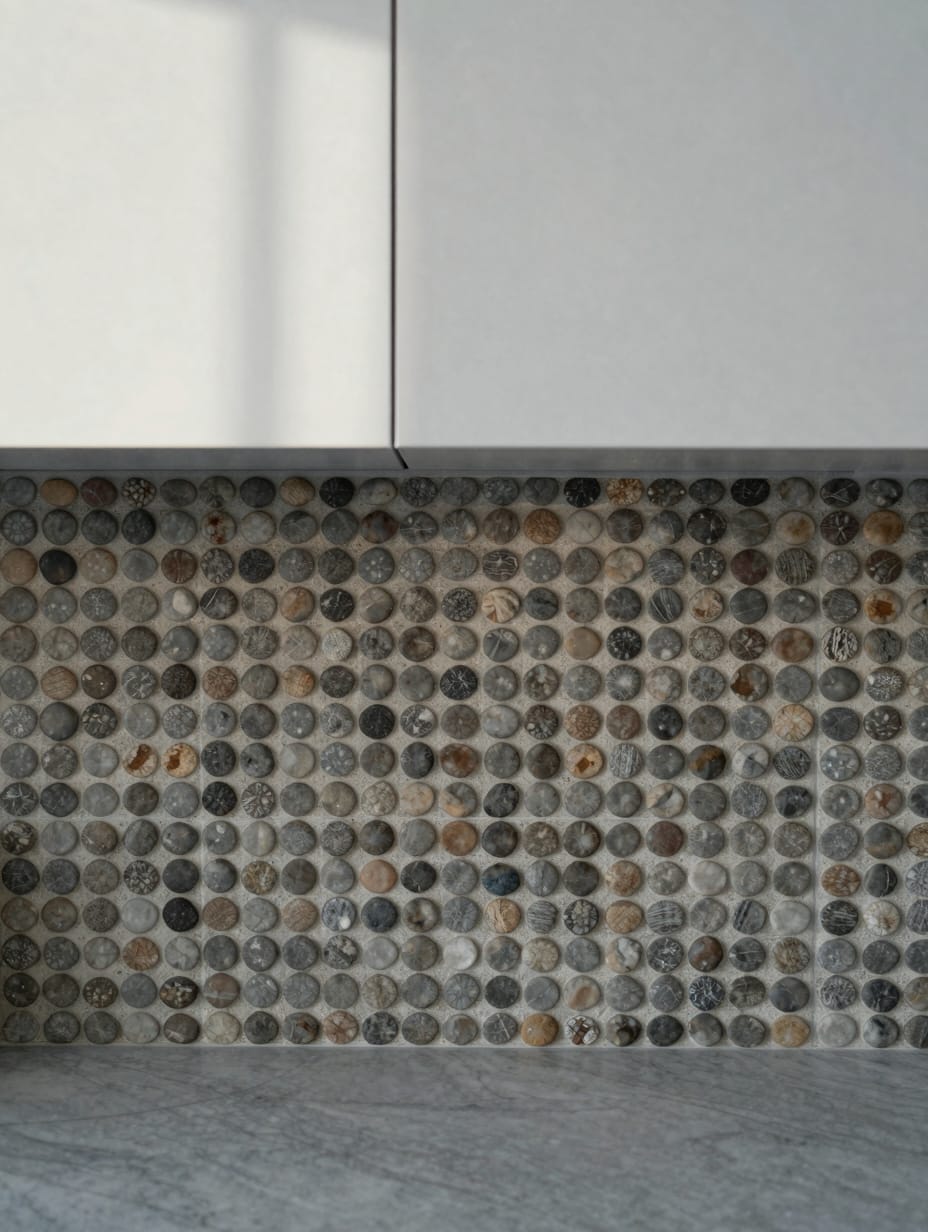
A designer friend once showed me photos of a kitchen she did with this unique backsplash: small, smooth river pebbles in varying shades of grey, brown, and tan. The pebbles were set in a light grout, creating a mosaic-like effect.
Under-cabinet lighting highlighted the delightful texture and organic shapes. I imagine cleaning the grout between those tiny pebbles could be a bit of a chore, but the visual interest is truly distinct.
How to Get This Look
- Install river rock mosaic tiles as a small accent section, perhaps behind the range, rather than an entire backsplash.
- River rock mosaic tiles, $10-$25 USD per square foot, for their natural, varied textures.
- Use a light-colored grout to allow the individual pebbles to stand out distinctly.
- Budget alternative: Collect smooth, flat river stones and glue them onto a waterproof board, then grout, costing around $5-$10 USD for materials.
13. Brightened by Open Skies
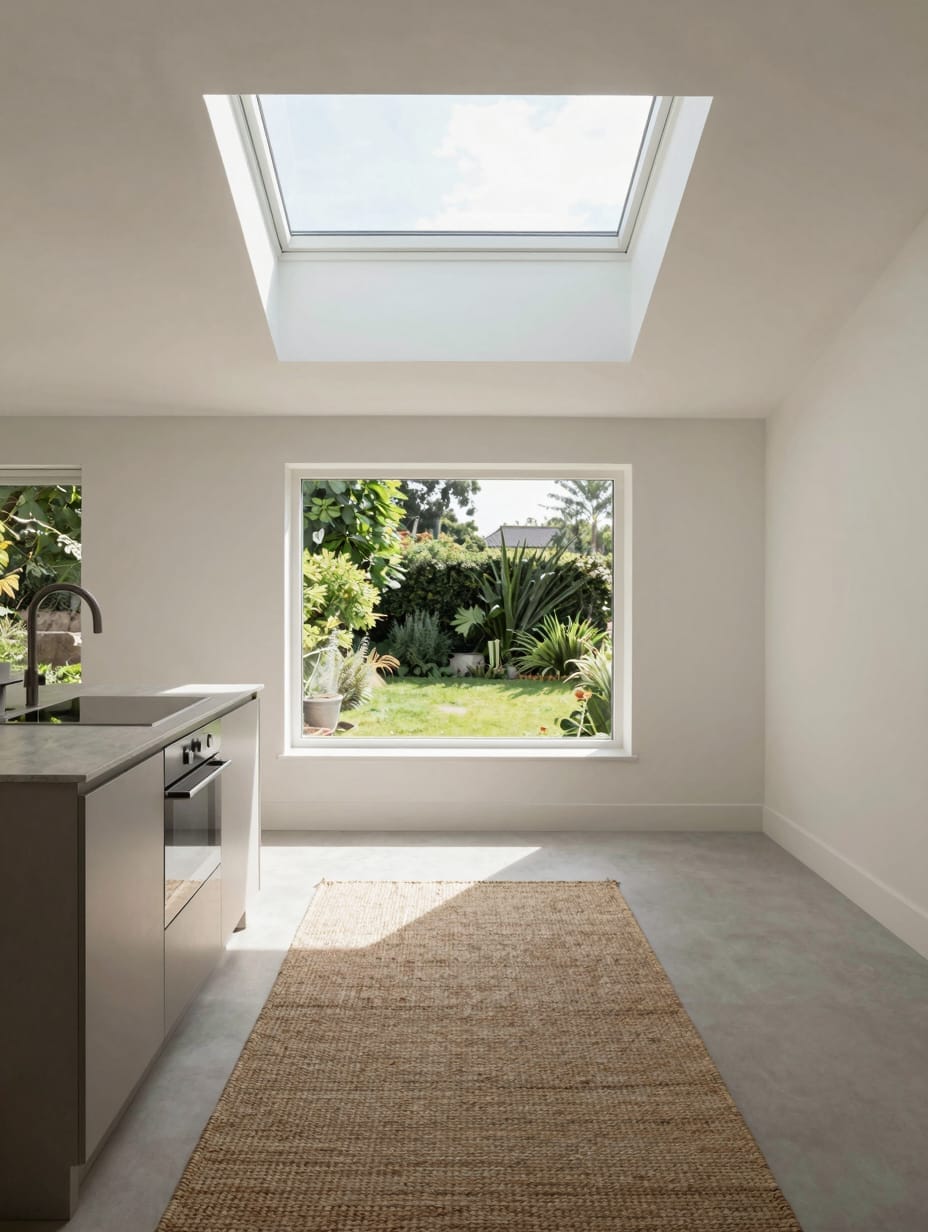
My friend, an architect, insisted on a large skylight when he designed his kitchen, bathing the space in abundant natural light. A large picture window overlooked a lush garden, making the room feel open and airy.
He chose minimal window treatments, allowing uninterrupted views and maximizing light. It’s spectacular, but definitely requires professional installation and careful consideration for sun exposure and heat gain.
How to Get This Look
- Consider installing a large skylight, measuring at least 3×5 feet, above a central kitchen island or workspace.
- High-performance skylight, $500-$2000 USD (installation separate), chosen for energy efficiency.
- Pair with a generously sized picture window (4×6 feet minimum) to connect visually with the outdoors.
- Budget alternative: Maximize existing window light by removing heavy curtains and painting window frames white for optimal reflection, costing $0-$50 USD.
14. Sculpted Tabletop Serenity
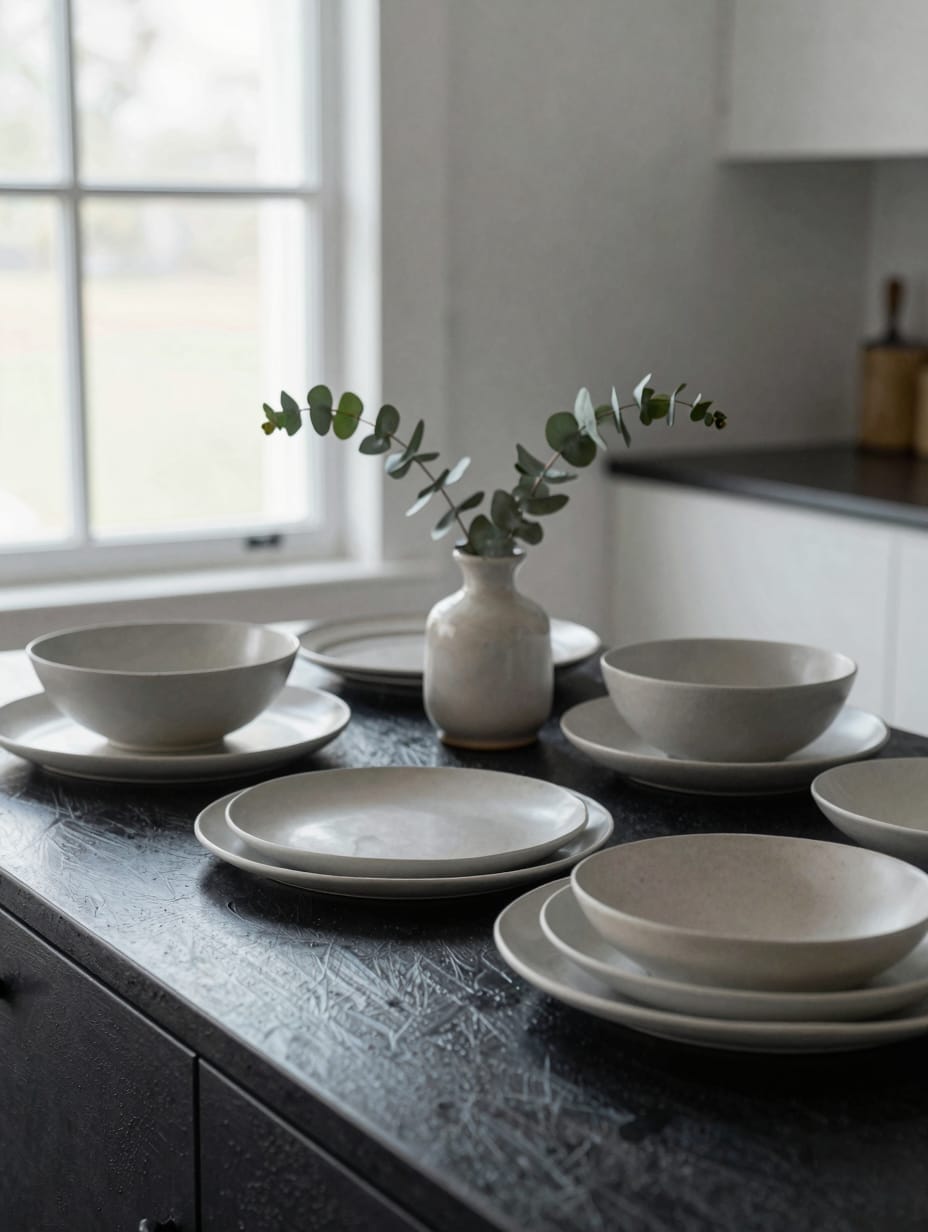
I recently upgraded my dinnerware to plates and bowls with organic, irregular edges in muted matte finishes. There’s a particular joy in finding pieces that feel handcrafted, even if they aren’t.
A sprig of fresh eucalyptus in a small ceramic bud vase typically completes my island’s styling. The light catches the subtle textures of the dishes, highlighting their unique forms and making every meal feel like a small event.
How to Get This Look
- Choose dinner plates and bowls with organic, irregular edges, preferably in matte stoneware or ceramic.
- Organic edge dinnerware set (4 place settings), $60-$150 USD, chosen for its unique, artisanal feel.
- Use a neutral color palette like pale grey, creamy white, or soft beige for a serene aesthetic.
- Budget alternative: Seek out unique, organically shaped dishes at local thrift stores, often priced at $2-$5 USD per piece.
15. Architectural Woodland Charm
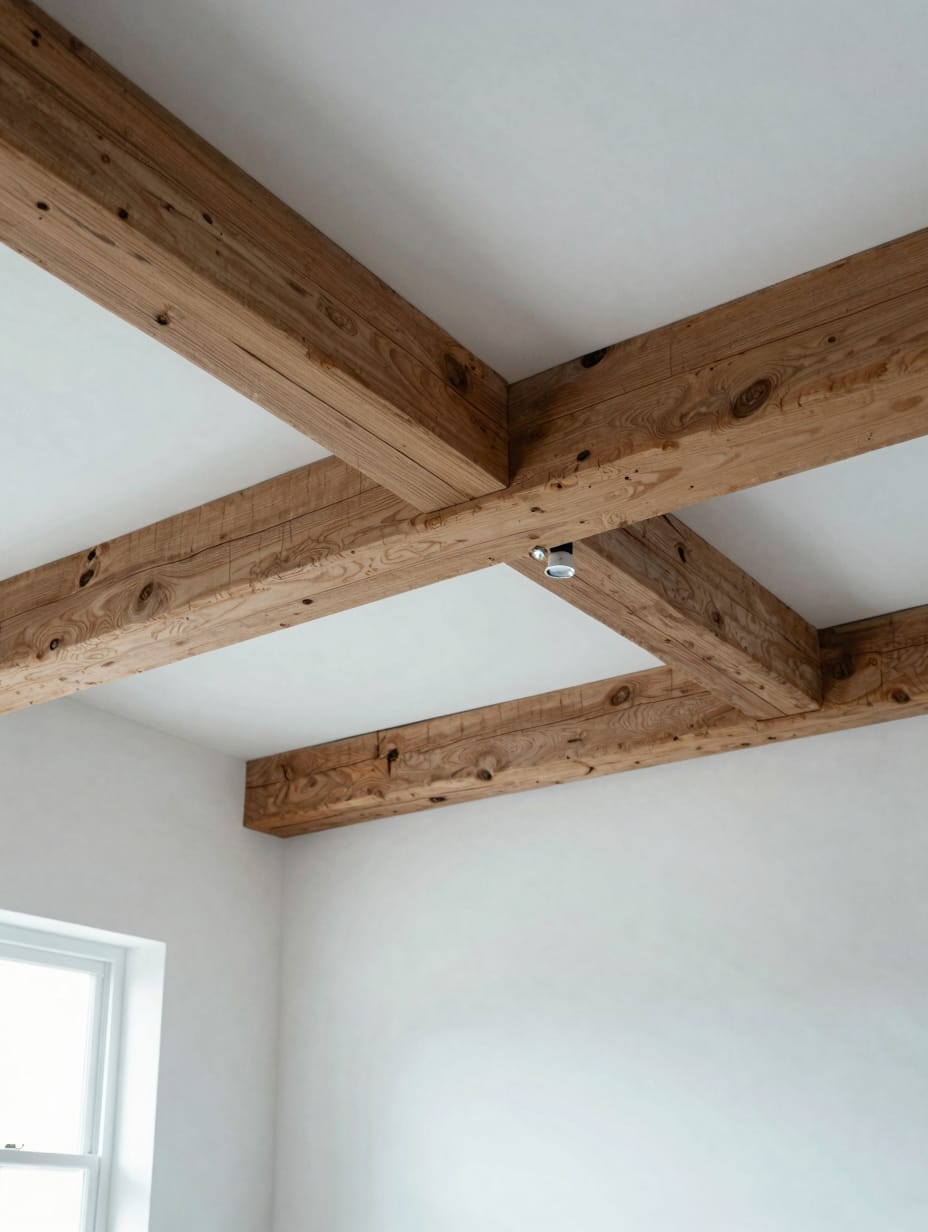
I saw this in a restored old barn house kitchen: rustic exposed wooden beams spanning the room. The natural wood tones contrasted beautifully with a crisp white ceiling, adding architectural character and a sense of grounding warmth.
Small track lighting fixtures were subtly mounted on the beams, providing functional illumination. This isn’t a quick or inexpensive fix, but the impact on the overall feel of a space is undeniable.
How to Get This Look
- Integrate two to three exposed wooden beams (8-10 feet long) into your kitchen ceiling for a structural, rustic element.
- Reclaimed wood beams, $100-$500 USD per beam, chosen for their aged character and strength.
- Ensure the wood is properly treated and sealed to withstand kitchen conditions and maintain its look.
- Budget alternative: Install faux wood beams made from lightweight polyurethane, which can be stained, costing around $50-$150 USD per beam.
Loved these ideas? Save this post to Pinterest so you can come back to it later.
Simple Ways to Bring These Ideas to Life in Your Home
Incorporating natural elements into your kitchen doesn’t require a full renovation. Start small and build up. I’ve found these simple steps can make a big difference.
- Introduce a few strategically placed plants; even a small succulent collection adds life.
- Swap out plastic storage for glass jars and ceramic canisters to instantly elevate your pantry.
- Hang a natural fiber hand towel or a small jute rug for tactile texture.
- Display a beautiful wooden cutting board or a collection of handmade ceramic mugs.
- Change light fixture shades to woven rattan or bamboo for a softer, more organic glow.
Frequently Asked Questions
Q1: What are the best plants for a kitchen?
For a kitchen, I find herbs like basil, mint, and rosemary are wonderful for their scent and culinary use. Pothos and Snake Plants are also excellent, requiring minimal light and care. Ensure good drainage for all plants, as kitchens can be humid.
Q2: How do I maintain natural wood in a kitchen?
To maintain natural wood, regularly clean surfaces with a gentle wood cleaner and avoid harsh chemicals. For cutting boards and countertops, I recommend conditioning with food-safe mineral oil every few weeks to prevent drying and cracking. Promptly wipe up spills to prevent water damage.
Q3: What colors pair best with a nature-inspired kitchen?
Soft greens, earthy browns, muted blues, and creamy whites work beautifully. These colors mirror natural landscapes and create a harmonious, fresh backdrop. I often use a warm off-white as a base to let natural textures really pop.
Q4: Can a small kitchen still be nature-inspired?
Absolutely! Even small kitchens can embrace this theme. I suggest focusing on vertical space with wall-mounted herb gardens or narrow floating shelves. Use smaller, meaningful accents like a single potted plant, a wooden utensil holder, or a botanical art print. Scale is key.
Common Myths About Nature Inspired Kitchen
Myth: Nature-inspired kitchens always look rustic.
This isn’t true at all. While rustic elements fit, a nature inspired kitchen can also be modern and minimalist. Think sleek, polished stone countertops, dark wood accents with clean lines, and sculptural plants. I’ve seen minimalist kitchens utilize concrete and simple greenery to great effect, proving it’s about the materials, not just the style.
Myth: It’s high maintenance with all the plants and natural materials.
Not necessarily. While some natural elements require care, many options are low maintenance. Opt for durable natural stones, sealed wood, or artificial plants if you lack a green thumb. I’ve found choosing resilient materials and low-care plants like succulents or snake plants minimizes upkeep, making it very achievable.
Myth: Achieving this look is always expensive.
Budget-friendly options abound. You don’t need custom cabinets or imported stone. I’ve used thrifted wooden bowls, DIY plant propagation stations, and affordable botanical prints to great success. Focus on small, impactful changes like fresh herbs, natural fiber textiles, and strategic use of sunlight; these make a significant difference without breaking the bank.
Myth: Nature-inspired designs are only suitable for certain seasons.
This style is inherently evergreen. Natural materials and plant life offer timeless beauty that transcends seasonal trends. While you might swap out floral arrangements, the core elements—wood, stone, greenery—provide enduring freshness throughout the year. I consider it a foundation that complements any seasonal decor you choose to add.
Nature Inspired Kitchen: Final Thoughts
Designing a nature inspired kitchen is about creating a space that feels calm, functional, and deeply connected to the world outside. It’s a journey of bringing organic textures, calming colors, and living elements into your home. Each choice, whether it’s a reclaimed wood shelf or a simple herb pot, builds a sanctuary. Save this post to Pinterest 📌 and start building the apartment you actually want to come home to.